- Understanding Legal Sports IPTV UK Pricing Models
- Channel Availability and Match Selection
- Device Compatibility and App Performance
- Comparing Official Streaming Options
- Pros and Cons of Official Internet Streaming
- Pros
- Cons
- Legal and Licensing Note
- Buying Checklist for Football Fans
- Frequently Asked Questions
- Can I watch 3 PM Saturday Premier League games legally via streaming?
- How much internet speed do I need for HD football streaming?
- Do I need a TV licence for sports streaming apps?
- Can I share my streaming login with friends?
- Why is my streaming picture delayed compared to live radio?
- What is the cheapest way to watch Champions League matches?
Watching your team play every weekend takes planning now that matches are split across different broadcasters. Traditional satellite dishes are fading away as internet streaming takes over living rooms across the country. If you want to watch live fixtures without breaking club rules or missing a kick, legal sports IPTV UK subscriptions offer a reliable route.

You don’t need a bulky box bolted to your wall anymore. Official apps deliver HD feeds straight to your smart TV, tablet, or streaming stick. But picking the right package gets confusing when prices climb and channel rights change every season. Let’s break down what you actually get for your money.
Understanding Legal Sports IPTV UK Pricing Models
Broadcasters charge different rates depending on how you sign up. Sky Sports, TNT Sports, and Premier Sports dominate the landscape. You can buy them through your broadband provider, via satellite, or as standalone streaming passes.
Monthly rolling contracts give you freedom. You can cancel during the summer break when no football airs. Annual commitments lower the monthly cost. But they lock you in when your team hits bad form. Virgin Media and Sky often bundle broadband with TV packages. These bundles look cheaper on paper. They trap you in long contracts though.
NOW memberships offer a flexible middle ground. You buy day or month passes for sports channels. There’s no dish required. You just log into the app on your Firestick or Apple TV and watch. Prices fluctuate with special offers around the start of the season. Always check if HD costs extra. Some providers charge more for high-definition and 44k streams.
For a deeper dive into how these services stack up against traditional setups, take a look at our guide on evaluating legal sports IPTV UK packages for live football to see what matters most.
Channel Availability and Match Selection
No single provider shows every single match. The Premier League splits games between Sky Sports, TNT Sports, and Amazon Prime Video. If you want domestic cup action, you need BBC and ITV for the FA Cup. Carabao Cup games sit on Sky Sports.
European football adds another layer. TNT Sports holds the rights to the Champions League, Europa League, and Conference League. You need multiple subscriptions if you follow a team in Europe.
Check the schedule before committing to a long-term plan. Some lower-tier matches air on club-specific streaming channels rather than main TV networks. Official internet-delivered packages show what’s listed on the electronic programme guide. They don’t magically unlock games blocked by blackout rules. The Saturday afternoon blackout rule still applies to all UK broadcasts. Kick-offs at 3 PM never appear on live television here.
Device Compatibility and App Performance
Your hardware dictates your viewing experience. Amazon Fire TV sticks dominate UK households because they cost little and run most apps well. Samsung and LG smart TVs use different operating systems. Their app stores vary. EE TV and BT boxes offer dedicated sports apps built into the hardware.
Streaming live football demands stable internet speeds. You need at least 15 Mbps for a crisp HD feed. 4K broadcasts require double that bandwidth. Wi-Fi drops cause buffering right when a team enters the penalty box. Ethernet cables solve most connection dropouts. Plug your streaming box straight into your router if your setup allows it.
Audio sync issues plague some budget streaming devices during busy matchdays. If commentary lags behind the picture, restart your app or check your TV audio settings. Most official apps update automatically to fix these bugs.
Comparing Official Streaming Options
| Provider | Main Sports Covered | Typical UK Cost | Best Device |
|---|---|---|---|
| Sky Sports via NOW | Premier League, EFL, F1, Cricket | £26 – £35 / month | Fire Stick, Roku, Smart TV |
| TNT Sports | Champions League, Premier League, Rugby | £18 – £30 / month | EE TV, Discovery+ App |
| Premier Sports | Scottish Premiership, La Liga, Rugby | £10 – £15 / month | Smart TV, Mobile App |
| BBC Sport / ITVX | FA Cup, International Friendlies | Free (with TV Licence) | Any Connected Device |
Pros and Cons of Official Internet Streaming
Switching to app-based sports viewing changes how you watch matches. Weigh the benefits against the drawbacks before spending your cash.
Pros
- No drilling holes or installing satellite dishes on your roof.
- Pause and rewind live matches during half-time analysis.
- Move your streaming stick between rooms or take it on holiday.
- Flexible rolling monthly passes let you pause subscriptions in the off-season.
Cons
- Multiple subscriptions are necessary to watch all competitions.
- Internet dropouts can ruin crucial moments in tight games.
- Streaming delays mean your neighbour celebrates a goal thirty seconds before you see it.
- High-definition extras sometimes cost extra money.
Legal and Licensing Note
Official sports broadcasting rights cost billions of pounds. Broadcasters protect those investments fiercely. Using unauthorized streams, cracked M3U playlists, or modified apps breaks UK copyright law. Law enforcement and internet service providers block illegal servers constantly. Stick to licensed platforms like NOW, Discovery+, and official club channels. You get stable feeds and support British sports production without risking legal trouble.
Buying Checklist for Football Fans
Go through this short list before you hand over your credit card details.
- Check which broadcasters hold the rights to your specific team’s league.
- Test your home broadband speed using an online tool.
- Verify that the provider’s app runs on your current television or streaming stick.
- Look for contract terms and cancellation fees before signing a twelve-month deal.
- Confirm whether HD or 4K streams incur extra monthly charges.
Frequently Asked Questions
Can I watch 3 PM Saturday Premier League games legally via streaming?
No. The UK blackout rule bans live broadcasts of Saturday afternoon matches. No legal provider shows them.
How much internet speed do I need for HD football streaming?
Aim for a minimum speed of 15 Mbps for clear high-definition feeds. 4K streams need around 30 Mbps.
Do I need a TV licence for sports streaming apps?
You need a valid UK TV licence if you watch live broadcasts on any channel or app, including BBC iPlayer and Sky Sports.
Can I share my streaming login with friends?
Most official platforms limit simultaneous streams. Sharing your password usually breaches terms of service and triggers account locks.
Why is my streaming picture delayed compared to live radio?
Internet video streams take time to buffer and encode. This causes a delay of thirty seconds or more behind live radio commentary.
What is the cheapest way to watch Champions League matches?
TNT Sports via Discovery+ offers the official route. Look out for broadband provider bundles that include the channel for free.
Finding the right legal sports IPTV UK setup takes a bit of research. Match your team’s schedule with the correct broadcaster package. Keep your internet connection fast, choose flexible monthly terms, and enjoy the season without interruption.
For more information, iptv.
Related reading
- How to Fix IPTV Audio Out of Sync on UK Smart TVs and Firestick
- IPTV UK Myths vs Facts: Separating Streaming Technology from Misconceptions
Update: How to Fix IPTV Buffering and Lag on UK Smart TVs and Firestick
Update: Best Official Streaming Hardware for Legal IPTV in the UK
- Before You Start Troubleshooting
- Step-by-Step Guide to Fixing IPTV Audio Out of Sync
- 1. Change the Audio Decoder Settings Inside Your App
- 2. Adjust Sound Delay on Your Smart TV
- 3. Clear App Cache and Temporary Files
- 4. Switch Your Audio Output Format
- Understanding the Causes of Lip Sync Drift
- Common Mistakes to Avoid
- When to Contact Your Provider
- Safety and Legal Notes
- Frequently Asked Questions
- Why does the sound delay get worse over time?
- Does Wi-Fi interference cause audio lag?
- Can HDMI cables cause audio out of sync issues?
Watching your favourite live broadcast only to find the dialogue completely detached from the lip movements is deeply frustrating. When you notice that your IPTV audio out of sync problem ruins a match or a film, you don’t need to panic or throw your remote away. Most sound delay issues on streaming devices stem from minor buffer mismatches, incorrect audio output settings, or temporary app glitches. Let’s fix this issue quickly and permanently so you can get back to an immersive viewing experience without constant distractions.

Before You Start Troubleshooting
Before changing complex settings on your television or streaming box, run through a few basic checks. Sometimes the fix takes less than a minute and saves you from digging through advanced menu configurations.
- Check your internet stability because slow connection speeds frequently cause stream components to misalign as packets drop or arrive late.
- Restart both your streaming device (such as your Firestick, Android TV box, or Apple TV) and your home Wi-Fi router to clear out temporary memory clogs.
- Note whether the sound delay happens on every channel or just a single specific broadcast, which helps isolate whether the problem is on your end or the broadcaster’s end.
- Check if you are using external speakers, a soundbar, or an AV receiver, as external audio routing frequently introduces processing latency that built-in TV speakers do not experience.
Step-by-Step Guide to Fixing IPTV Audio Out of Sync
Follow these structured steps to diagnose and correct the delay between speech and picture on your hardware.
1. Change the Audio Decoder Settings Inside Your App
Most official legal streaming apps include built-in audio decoders. Hardware decoding sometimes clashes with specific broadcast formats on budget streaming sticks, causing the video processor to lag behind the audio track. Open your app settings menu, locate the playback or decoder section, and switch from hardware decoding to software decoding. This single adjustment forces the device processor to handle the stream differently and often locks the sound directly to the video track. If your app supports alternative media players like VLC or ExoPlayer, try toggling between them to see which player handles your specific stream’s container format more accurately.
2. Adjust Sound Delay on Your Smart TV
If the app settings don’t resolve the lag, your television might be processing high-definition picture enhancements slower than the audio track. Samsung, LG, Sony, and other modern smart TVs feature dedicated audio delay sliders designed precisely for this scenario. Navigate to your TV’s main settings, select the sound or audio output menu, and look for digital output audio delay, AV sync, or lip sync adjustment. Slide the milliseconds up or down until the speech matches the screen. Keep in mind that if the audio is playing *before* the video, you need to add audio delay; if the audio is playing *after* the video, you need to check if your TV has a video delay or game mode option to speed up picture processing.
3. Clear App Cache and Temporary Files
Corrupted temporary files cause media players to stutter and lose frame sync over extended viewing sessions. If you use an Amazon device, clearing cached data frees up system memory and stops processing bottlenecks. Go to your device settings, find applications, choose your installed streaming app, and clear the cache. Never clear data unless you want to log in again from scratch, as clearing data wipes your login credentials, custom playlists, and user preferences, whereas clearing just the cache leaves your personal configurations intact while removing junk files.
4. Switch Your Audio Output Format
Passing complex surround sound through an incompatible soundbar, HDMI ARC port, or older amplifier introduces noticeable processing lag. Change your TV audio output setting from Dolby Digital, DTS, or Bitstream to PCM (Pulse Code Modulation). PCM simplifies the audio signal down to uncompressed two-channel stereo and ensures your television or external sound system processes the sound instantly alongside the video feed, completely bypassing the complex transcoding delay that often plagues multi-channel surround setups.
Understanding the Causes of Lip Sync Drift
Lip sync issues rarely happen by pure coincidence; they are usually the mathematical result of mismatched processing times between audio and video data packets. When a live stream reaches your device, the video stream—especially if it is encoded in high-bitrate 4K or 60 frames per second—requires significantly more computational power to decode than a standard stereo audio track. If your streaming hardware is thermal-throttling due to poor ventilation or running low on RAM, the video decoder drops frames or slows down to keep up, while the audio track continues playing unimpeded at its normal real-time speed. This creates a cumulative drift where the audio gets progressively further ahead of the video the longer you stay on the same channel.
Common Mistakes to Avoid
Many viewers make errors that make the problem worse rather than better. Avoid changing your router quality-of-service settings when the issue is confined to just one app or channel. Do not factory reset your entire television before testing alternative channels and external input sources. Avoid installing unverified third-party audio booster plugins or sideloaded codecs from sketchy websites, as these often compromise your device security, inject malware, or break system media players entirely. Finally, avoid ignoring firmware updates; both your TV and your streaming box manufacturer regularly push out patches specifically designed to fix HDMI handshake and audio synchronization bugs.
When to Contact Your Provider
If you have restarted your hardware, cleared the cache, switched to PCM audio, and adjusted your television delay settings with zero success, the issue might originate from the broadcast source itself. Contact your official content provider if specific channels consistently transmit sound out of alignment across multiple different devices in your house. Broadcasters occasionally push out faulty encoding feeds, incorrect timestamp markers, or misconfigured multiplexed streams that require a server-side patch from their engineering team.
Safety and Legal Notes
Always use official, authorised applications downloaded directly from official app stores like Google Play, Amazon Appstore, or Samsung Galaxy Apps. This guide focuses entirely on legitimate streaming configurations and does not support pirated content, unauthorized stream redistribution, or copyright infringement. Maintaining a secure and legitimate digital environment ensures your streaming hardware remains protected against security vulnerabilities.
Frequently Asked Questions
Why does the sound delay get worse over time?
Memory leaks inside the streaming app or background tasks on your device usually cause a progressive drift. As the device runs out of active RAM, the heavy video decoding pipeline bogs down while the audio track keeps moving forward, resulting in an expanding gap. Restarting the application resets the buffer and fixes the drift temporarily.
Does Wi-Fi interference cause audio lag?
Yes. Packet loss on a weak wireless connection forces your device to drop video frames or stall while continuing to play buffered audio, resulting in noticeable desynchronisation. Switching from a crowded 2.4GHz Wi-Fi band to a cleaner 5GHz band, or using a wired Ethernet connection where possible, permanently resolves network-induced jitter.
Can HDMI cables cause audio out of sync issues?
In rare cases, damaged, low-quality, or outdated HDMI cables (such as using non-high-speed cables for 4K content) can cause handshake delays and data transmission errors. Ensuring you use certified HDMI 2.0 or 2.1 cables helps maintain proper data flow between your streaming box, AV receiver, and television.
For more information, iptv.
Related reading
- IPTV UK Myths vs Facts: Separating Streaming Technology from Misconceptions
- How to Set Up Legal IPTV Apps on UK Streaming Devices
Update: Fire TV Stick vs Apple TV: Choosing the Right Official Streaming Hardware for UK IPTV
Update: How to Fix IPTV Buffering and Lag on UK Smart TVs and Firestick
- Decoding the Realities of IPTV UK Technology
- Myth 1: The Technology Itself Is Automatically Illegal
- Myth 2: You Do Not Need a TV Licence If You Only Stream
- Myth 3: Any Internet Speed Can Handle High-Definition Feeds
- Fact: Hardware Choice Drastically Impacts Your Daily Viewing Experience
- Fact: Home Network Architecture Shapes Streaming Stability
- Common Questions About UK IPTV
- Do I need special equipment to get started?
- Why does my picture quality fluctuate during peak times?
- Are free streaming applications safe to use?
Decoding the Realities of IPTV UK Technology
Switching on your television no longer means waiting for a traditional satellite dish or terrestrial aerial to catch your favourite evening programmes. Instead, internet protocol television has completely shifted how households across the country consume live broadcasts and on-demand media. Yet, plenty of confusion still surrounds IPTV UK setups, leaving many viewers unsure about how the underlying technology actually functions.

Regulators like Ofcom monitor modern broadcasting standards closely as digital adoption grows. Despite this oversight, persistent myths keep circulating online. Let’s separate fact from fiction regarding modern streaming methods.
Myth 1: The Technology Itself Is Automatically Illegal
People often assume that using an internet-based television protocol breaks the law. That is completely false. The delivery method is just a network medium, much like fibre broadband carrying your web browsing data or voice calls. Major mainstream broadcasters use this exact infrastructure to stream their output directly to smart devices every single day.
The core distinction lies in authorization and distribution rights rather than the underlying data packets. If a platform holds proper licensing agreements to broadcast specific content, the stream is fully authorized. Problems only arise when unauthorized distributors bypass copyright holders. Understanding how IPTV UK services handle live broadcasting rights helps clarify why legitimate providers operate under strict contractual frameworks.
Furthermore, major telecommunications giants and authorized streaming apps rely entirely on Content Delivery Networks (CDNs) to distribute legal digital signals across the country. These networks optimize traffic routing to ensure that authorized feeds reach millions of concurrent users without packet loss or structural bottlenecks. When consumers choose fully compliant services, they are simply utilizing the modern evolution of traditional cable and satellite distribution, adapted for an era defined by high-speed broadband infrastructure.
Myth 2: You Do Not Need a TV Licence If You Only Stream
Many viewers believe that cutting the cord on traditional aerials completely removes any obligation to hold a television licence. According to TV Licensing regulations, the rules depend entirely on what you watch rather than the gadget you use. If you view live broadcasts on any channel, or consume content on BBC iPlayer, a valid licence remains a legal requirement.
This rule applies equally whether your household receives signals via a rooftop antenna, a cable box, or a fibre broadband connection. Catching up on demand after broadcast transmission sometimes has different rules, but live streams always trigger the licensing requirement.
This legal mandate applies across an expansive array of modern consumer electronics, including smartphones, tablets, desktop computers, games consoles, and dedicated streaming boxes. The defining legal criterion is not the hardware specification or the transmission protocol, but rather the chronological nature of the viewing habit. If content is being watched or recorded live as it is being broadcasted anywhere in the UK, the household must be covered by a valid licence, ensuring that public service broadcasting remains funded regardless of how consumers choose to access their media.
Myth 3: Any Internet Speed Can Handle High-Definition Feeds
Bandwidth matters immensely when you move away from traditional broadcast frequencies. A sluggish ADSL connection from a decade ago will struggle to maintain a stable, high-definition stream during peak evening hours. Modern fibre optic packages provide the steady throughput needed for crisp picture quality.
Dropping frames or experiencing endless buffering usually points back to local network congestion or weak Wi-Fi signals in your living room. Tweaking your hardware setup or switching to an Ethernet cable often solves these performance hiccups instantly. For sports fans preparing for busy weekends, checking out how to configure audio and video settings for live football streaming in the UK can prevent frustrating delays during crucial match moments.
Fact: Hardware Choice Drastically Impacts Your Daily Viewing Experience
Not all connected screens process data with equal efficiency. Older television models running clunky proprietary software often lack the memory capacity required for smooth media playback. Plugging a dedicated media stick into an HDMI port breathes new life into an ageing display.
Processor speeds, RAM allocations, and operating system updates dictate how quickly menus load and streams initialize. Investing in capable hardware ensures your chosen IPTV subscription UK runs without stuttering or unexpected crashes.
Fact: Home Network Architecture Shapes Streaming Stability
Beyond raw internet speed, the way your home network distributes data plays a massive role in your daily viewing experience. Wireless interference from thick walls, neighbouring routers, and household appliances can severely degrade Wi-Fi packet delivery, causing micro-stutters even on fast broadband connections.
Implementing a wired Ethernet connection or upgrading to a modern mesh Wi-Fi system eliminates these local network vulnerabilities. By prioritizing video streaming packets through Quality of Service (QoS) settings on your home router, you can guarantee that live broadcasts receive the necessary bandwidth priority over background downloads or smart home device updates.
Common Questions About UK IPTV
Do I need special equipment to get started?
Usually, a standard broadband connection and a compatible display device are all you need. Most modern smart TVs download official applications directly from their built-in app stores.
Why does my picture quality fluctuate during peak times?
Local internet service provider throttling or congestion on your street cabinet can temporarily reduce available bandwidth. Upgrading your broadband tier often resolves this issue.
Are free streaming applications safe to use?
Official applications provided by licensed broadcasters maintain high security standards. Unverified third-party apps found on unregulated forums often carry security risks or malware.
Getting past the noise lets you enjoy modern television on your own terms. Focus on stable broadband, official apps, and reputable providers to keep your home entertainment setup running smoothly.
For more information, iptv.
Learn more on Wikipedia: ITV (TV network).
Related reading
- How to Set Up Legal IPTV Apps on UK Streaming Devices
- Legal Sports IPTV UK: Choosing Providers with the Best Football Coverage
Update: Choosing Legal Sports IPTV UK Packages for Match Days
Update: Fire TV Stick vs Apple TV: Choosing the Right Official Streaming Hardware for UK IPTV
Setting up legal IPTV apps on your living room television doesn’t have to be complicated. Television delivered over the internet relies on your broadband connection to stream live channels and on-demand shows directly to your screen. But the legality depends entirely on the broadcaster holding the proper distribution rights. Official services like BBC iPlayer, ITVX, and Sky Go operate within UK broadcasting regulations. Here is a practical guide to getting everything running on popular hardware.

Choosing the Right Hardware Platform
Before you download anything, you need a compatible device. Different streaming hardware runs different operating systems. Amazon Fire TV sticks run Fire OS, while Apple TV uses tvOS. Google TV and Android TV power devices like the Google TV Streamer and various Sony televisions. Samsung and LG use their own proprietary operating systems.
Check the manufacturer specifications for your specific model. Older television sets might struggle with modern high-definition streams. A dedicated streaming stick often provides faster menu navigation than a built-in smart TV interface.
Furthermore, processor speed and RAM capacity play a massive role in how smoothly your live television streams will render. Live IP broadcasts require continuous decoding of video packets, which can heavily tax legacy processors. When choosing a hardware ecosystem, consider how deeply integrated you are with other devices in your household. For instance, if your family primarily uses iPhones, iPads, and Mac computers, an Apple TV 4K offers seamless AirPlay integration and unified ecosystem logins. Conversely, households heavily invested in Google’s smart home ecosystem—utilizing Nest speakers, Android phones, and smart lighting—will find Google TV devices offer much smoother cross-device voice commands and content recommendations.
Hardware Comparison for UK Broadcaster Apps
| Device | Operating System | 4K & HDR Support | Ethernet Option |
|---|---|---|---|
| Amazon Fire TV Stick 4K | Fire OS | Yes (Dolby Vision, HDR10+) | Requires adapter |
| Apple TV 4K | tvOS | Yes (Dolby Vision, HDR10+) | Yes (Wi-Fi + Ethernet model) |
| Google TV Streamer | Android TV | Yes (Dolby Vision, HDR10+) | Built-in port |
| Samsung Smart TV | Tizen OS | Yes (Model dependent) | Built-in port |
Step-by-Step Installation Guide
Follow these steps to configure your chosen device:
- Plug your streaming device into an available HDMI port on your television. Connect the power cable to a wall socket.
- Turn on your TV and select the correct HDMI input source.
- Connect to your home Wi-Fi network using your wireless password. If you use an Ethernet cable, plug it directly into your adapter or router port.
- Navigate to the official app store on your device. This might be the Amazon Appstore, Google Play Store, or Apple App Store.
- Type the name of the broadcaster or service into the search bar. Always download software from official publishers. You can also review our official football streaming player setup guide for specific platform steps.
- Select install and wait for the download to finish.
- Open the application, sign in with your paid subscription details, and start watching.
Optimizing Your Home Network for Live Streaming
Even the most advanced streaming hardware will fail to deliver a smooth picture if your home network is bogged down by congestion or weak Wi-Fi signals. Live IP television streams demand consistent bandwidth and low latency, unlike on-demand video platforms like Netflix which can buffer several minutes of content ahead of time. To achieve buffer-free 4K sports and news broadcasting, ensure your broadband package delivers a minimum download speed of 25 to 30 Mbps per active streaming device.
If your router is located in a different room or on another floor, consider investing in a mesh Wi-Fi system or utilizing powerline adapters to establish a wired Ethernet connection directly to your streaming media player. Eliminate background bandwidth hogs—such as large cloud backups, peer-to-peer file downloads, or simultaneous high-definition streams on multiple household devices—during major live television events. Additionally, logging into your router’s administration panel to prioritize device traffic using Quality of Service (QoS) settings can ensure your streaming box is given network priority over general web browsing traffic.
Compatibility and Troubleshooting Notes
Never assume every app works on every device. Broadcasters update their compatibility lists frequently. Samsung and LG smart TVs from 2020 onwards generally support major UK streaming platforms, but older models might lose support over time. If an app crashes, check for pending system updates in your device settings. Restarting your Wi-Fi router often fixes sudden buffering issues during live broadcasts.
Another common hurdle involves regional locking and geo-restrictions. Official UK broadcasting apps require verification that you are physically located within the United Kingdom and hold a valid TV Licence where applicable. If you encounter persistent login errors or error codes related to regional availability, verify that your broadband provider hasn’t inadvertently assigned you an overseas IP address or that a misconfigured virtual private network (VPN) is interfering with the broadcaster’s location check. Clearing the app cache or performing a complete re-installation from the official store usually clears out corrupted temporary files causing playback freezes.
Pros and Cons of Dedicated Streaming Sticks
Pros:
- Frequent software updates from manufacturers.
- Portable design for travel.
- Access to massive app stores.
Cons:
- Limited internal storage space.
- Remotes can be easy to lose down the sofa.
Understanding UK Broadcasting Regulations
Ofcom regulates television broadcasting standards across the UK, ensuring that content providers adhere to strict guidelines regarding scheduling, advertising limits, and watershed rules for adult material. Using official hardware and licensed applications ensures your viewing habits comply fully with UK copyright law and safety standards. Avoid unknown third-party APK files, unverified sideloaded applications, or unauthorized M3U playlists that lack proper licensing agreements, as these often expose users to security vulnerabilities, malware risks, and potential legal infractions related to digital piracy.
For more information, iptv.
Related reading
- Legal Sports IPTV UK: Choosing Providers with the Best Football Coverage
- Troubleshooting Guide: Fixing Freezing and Playback Errors on Legal UK IPTV Apps
Update: How to Fix IPTV Audio Out of Sync on UK Smart TVs and Firestick
Update: Choosing Legal Sports IPTV UK Packages for Match Days
- Finding Proper Legal Sports IPTV UK Packages
- What to Check Before You Subscribe
- Comparing Official Providers
- Pros and Cons of Legal Streaming Apps
- Optimizing Your Home Network for Live Sports IPTV
- Legal and Licensing Note
- Buying Checklist for Football Fans
- Frequently Asked Questions
- Can I watch every Premier League match with one subscription?
- What internet speed do I need for HD football streaming?
- Do official streaming apps require a satellite dish?
- Can I pause and rewind live matches?
- Are there free legal alternatives for football highlights?
- How many devices can stream simultaneously?
Finding Proper Legal Sports IPTV UK Packages
Watching your team play shouldn’t mean wrestling with dodgy streams or sketchy apps that vanish overnight. If you want legitimate live sports TV UK options, you need services holding proper broadcasting rights. Let’s look at how legal sports IPTV UK platforms stack up for UK football fans.
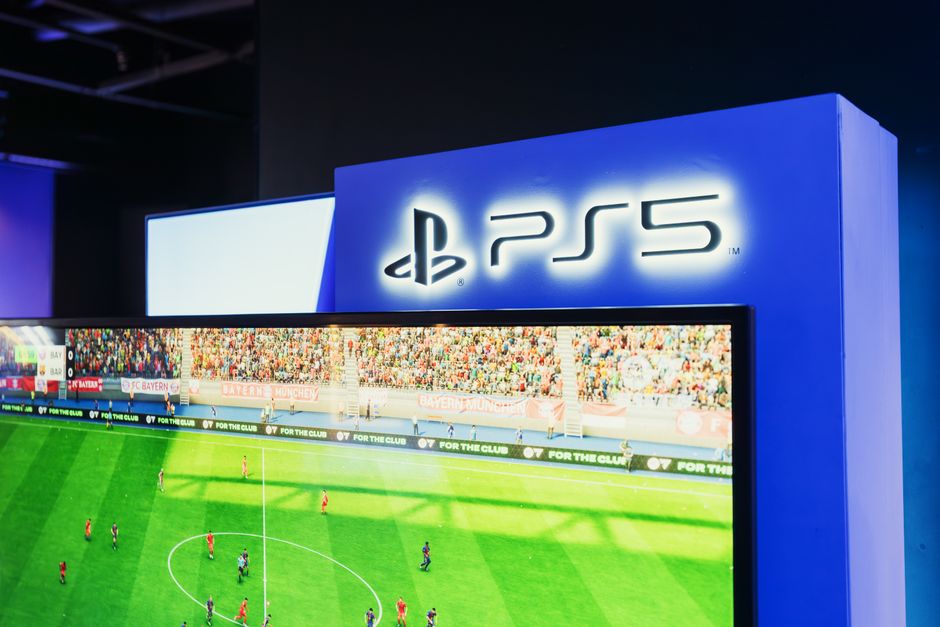
Official broadcasters like Sky Sports, TNT Sports, and the BBC share the rights landscape. Internet protocol television delivers these channels straight to your living room through broadband instead of an aerial or dish. Choosing the right provider means balancing cost, channel lineups, and device support without breaking any rules.
Navigating the modern landscape of British sports broadcasting requires an understanding of how media rights are distributed. Unlike some regions where a single mega-corporation owns every fixture, the UK sports market is fragmented by design. This competitive bidding process ensures that sports leagues receive maximum financial backing, but it places the burden on the consumer to piece together a viewing package that matches their specific sporting passions. Whether you are a die-hard fan of the English Premier League, a follower of the Scottish Professional Football League, or someone who loves European continental competitions like the UEFA Champions League, understanding your options through legitimate channels guarantees high-definition viewing without the constant fear of sudden stream blackouts or malware infections associated with illegal pirate IPTV operations.
What to Check Before You Subscribe
Signing up for a new TV package requires checking a few key details. Don’t just look at the monthly fee.
- Match Selection: See Legal Sports IPTV UK: Checking Channel Lineups Before You Buy to make sure your preferred league matches actually air on your chosen platform.
- Picture Quality: Look for genuine 1080p HD support at a minimum. 4K streams need fast broadband speeds.
- Simultaneous Streams: Check how many screens you can watch on at once. Families need at least two or three.
- Contract Terms: Monthly rolling deals offer flexibility. Annual passes save money if you’re committing long-term.
Beyond these foundational checks, consumers should also look closely at user interface design and customer support infrastructure. A legal streaming app should offer intuitive navigation, allowing you to jump straight from a pre-match build-up show to live tactical analysis without digging through poorly organized menus. Furthermore, official platforms invest heavily in content delivery networks (CDNs), which means that even during high-traffic matches—such as a Manchester derby or an Old Firm clash—millions of concurrent viewers can log on without experiencing the frustrating buffering wheels that frequently plague underground, unverified streaming networks.
Comparing Official Providers
Several legitimate options give you access to football and other sports across the country. Here is a quick breakdown of major legal platforms available to UK viewers.
| Provider | Main Football Rights | Approx. Monthly Cost | Key Device Support |
|---|---|---|---|
| Sky Sports via Now | Premier League, EFL, WSL | £34.99 (Boost extra) | Smart TVs, Firestick, Games Consoles |
| TNT Sports | Champions League, Premier League | £29.99 | Smart TVs, EE TV, Firestick |
| Amazon Prime Video | Select Premier League fixtures | £8.99 | Most streaming devices |
| Viaplay Sports | Scottish Cup, international matches | £14.99 | Web, iOS, Android, smart TVs |
When analyzing these subscription tiers, it is vital to factor in hidden costs such as HD or 4K add-ons. For instance, platforms like Now often require an additional ‘Boost’ pass to unlock full 1080p resolution and surround sound capabilities, alongside increasing your simultaneous stream limits. Evaluating the total cost of ownership across an entire football season helps prevent unpleasant financial surprises after your initial promotional discount period expires.
Pros and Cons of Legal Streaming Apps
Using authorized services brings distinct advantages along with a few trade-offs.
Pros:
- Rock-solid reliability during high-profile weekend matches.
- Official apps built specifically for popular hardware like Apple TV and Firestick.
- Access to catch-up TV and match highlights legally.
- Guaranteed data privacy and secure billing systems that protect your financial details.
- Professional studio punditry, multi-angle replays, and expert half-time analysis.
Cons:
- Subscribing to multiple services to watch every competition gets expensive.
- Slight broadcast delay compared to traditional terrestrial television or stadium view.
- Geographic restrictions that prevent seamless viewing while travelling outside the UK without authorized VPN configurations.
Optimizing Your Home Network for Live Sports IPTV
Transitioning from traditional cable or satellite to an internet-based delivery model places specific demands on your home infrastructure. To truly enjoy legal sports IPTV UK services without annoying stuttering or sudden drops in resolution, your broadband connection must be properly optimized. First, consider hardwiring your primary streaming device—whether that is a smart TV, Apple TV, or Amazon Fire Stick—using an Ethernet cable rather than relying entirely on Wi-Fi. While modern Wi-Fi routers are powerful, physical walls, interference from neighboring networks, and heavy household traffic can cause micro-packet loss, which instantly ruins the fluid motion required for fast-paced sports like football or rugby.
Additionally, look into your router’s Quality of Service (QoS) settings if other members of your household frequently engage in large file downloads or online gaming while matches are airing. Prioritizing video streaming packets ensures that your live football stream remains buttery smooth even when someone else in the house is downloading updates or streaming movies in another room. Checking that your Internet Service Provider (ISP) does not enforce unfair traffic shaping or throttling during peak evening hours will further guarantee an uninterrupted matchday experience.
Legal and Licensing Note
All streaming services mentioned here operate under strict UK broadcasting regulations and hold valid licenses from rights holders. This article focuses entirely on authorized, licensed platforms. We never cover unofficial M3U playlists, cracked apps, or unauthorized re-broadcasters.
Buying Checklist for Football Fans
Follow these steps before entering your payment details:
- Test your home internet speed to ensure it handles high-definition video.
- Verify that your current streaming device runs the official app.
- Read the cancellation policy carefully before locking into a long contract.
- Check for bundle deals with your mobile phone or broadband provider to lower overall monthly expenditures.
Frequently Asked Questions
Can I watch every Premier League match with one subscription?
No single provider holds rights to every single game in the UK because matches are split between Sky Sports, TNT Sports, and Amazon.
What internet speed do I need for HD football streaming?
You need a stable connection of at least 15 Mbps for smooth 1080p playback without pixelation.
Do official streaming apps require a satellite dish?
No, these apps stream entirely over your broadband connection, making them ideal for flats and rented properties.
Can I pause and rewind live matches?
Most legal sports IPTV UK applications include catch-up features and live pausing tools.
Are there free legal alternatives for football highlights?
BBC Sport shows highlights on Match of the Day, and official YouTube channels publish goals shortly after full time.
How many devices can stream simultaneously?
Limits vary by provider. Sky via Now requires a Boost add-on for multiple screens, while others include two or three streams by default.
For more information, iptv.
Related reading
- Troubleshooting Guide: Fixing Freezing and Playback Errors on Legal UK IPTV Apps
- Understanding How UK IPTV Delivers Live Television Across the Country
Update: IPTV UK Myths vs Facts: Separating Streaming Technology from Misconceptions
Update: How to Fix IPTV Audio Out of Sync on UK Smart TVs and Firestick
- Before You Start Checklist
- Step 1: Diagnose Your Internet Speed and Wi-Fi Signal
- Step 2: Clear App Cache and Device Storage
- Firestick and Android TV Steps
- Samsung and LG Smart TV Steps
- Step 3: Update or Reinstall the Streaming Application
- Step 4: Check DNS Settings and Router Configuration
- Step 5: Verify Account Status and Server Availability
- Common Mistakes to Avoid
- When to Contact Your Provider
- Safety and Legal Notes
- Frequently Asked Questions
- Why does my stream drop in quality during peak evening hours?
- Does clearing the app cache delete my saved login details?
- Why does live television buffer while catch-up content plays smoothly?
When your live football stream freezes right before a penalty kick, the frustration hits instantly. A spinning loading wheel ruins the moment. Fortunately, most playback glitches on official streaming platforms and legal apps stem from fixable local network hiccups or minor software bugs. This guide walks you through diagnosing and solving common streaming errors on your television without needing an engineering degree.

Quick Answer: To fix freezing on legal UK IPTV apps, restart your streaming device, clear the app cache, and test your internet speed to ensure it meets the minimum threshold for high-definition video. If problems persist, check for pending app updates or restart your home broadband router.
Before You Start Checklist
Before diving into advanced fixes, run through this quick physical and digital checklist. Most streaming headaches disappear after a basic sanity check.
- Check if other apps on the same device load content properly.
- Verify that your television or streaming stick runs the latest operating system update.
- Confirm your broadband subscription package matches your household streaming demands.
- Ensure your streaming device has at least one gigabyte of free storage space.
Step 1: Diagnose Your Internet Speed and Wi-Fi Signal
Your internet connection remains the single biggest factor in smooth video playback. Official high-definition broadcasts require steady bandwidth. If your broadband drops packets, your screen stutters or drops resolution.
Open a browser or speed test app on your device. For standard high-definition streams, you want a minimum download speed of five megabits per second. Live UHD broadcasts need closer to twenty-five megabits per second. If your speeds fall short, move your router closer to the television, or switch from a congested wireless band to a five gigahertz frequency channel.
Ethernet cables always beat Wi-Fi for live television. Plug a wired network cable directly into your Android TV box or compatible adapter if your setup allows it. For more details on home network checks, read our guide on checking your broadband speed before big matchdays.
Step 2: Clear App Cache and Device Storage
Streaming apps accumulate temporary files over time. These cache files bloat the system and cause memory leaks, leading to sudden crashes or endless buffering loops. Clearing out the junk restores normal performance.
Firestick and Android TV Steps
Go to your main device settings menu. Select applications, then manage installed applications. Find your official streaming app in the list. Click on clear cache. Do not select clear data unless you want to log back in with your username and password.
Samsung and LG Smart TV Steps
Samsung Tizen and LG webOS televisions handle memory differently. On a Samsung set, hold the power button on your remote until the TV completely reboots with the brand logo. On an LG TV, turn off the quick start plus feature in settings, unplug the power cord for sixty seconds, and plug it back in to clear the memory buffer.
Step 3: Update or Reinstall the Streaming Application
Running outdated software invites compatibility bugs. Broadcasters constantly push updates to fix streaming protocols and security certificates. If your app version lags behind, playback fails.
Navigate to the app store on your device. Search for your service provider app. If an update button appears, click it immediately. If the app already behaves erratically after an update, uninstall it completely. Restart your device to clear residual registry files, then download a fresh copy from the official app store.
Step 4: Check DNS Settings and Router Configuration
Domain Name System issues slow down connection handshakes. Sometimes, your internet service provider’s default servers struggle to resolve streaming server addresses quickly.
Log into your home router admin panel using a computer or phone. Consider switching your primary and secondary DNS addresses to reliable public options like Cloudflare or Google. Alternatively, keep your router on automatic settings if you notice no difference. Always restart your router after changing network settings.
Step 5: Verify Account Status and Server Availability
Sometimes the issue has nothing to do with your living room hardware. Broadcasters occasionally experience server outages during peak traffic events like major derby matches.
Check official social media channels or service status pages to see if other users report downtime. Verify your subscription payment went through successfully. Expired billing details often result in silent streaming blocks or error codes upon launch.
Common Mistakes to Avoid
People often waste hours troubleshooting the wrong components. Avoid these frequent traps:
- Blaming the television hardware when the home Wi-Fi router is overheating in a cupboard.
- Clearing all app data when you forgot your account password.
- Ignoring background downloads running on other household devices while you stream.
- Using unofficial app stores that host modified software versions.
When to Contact Your Provider
If you tried every step above and the stream still refuses to play, the fault lies outside your home. Contact your official content provider customer support team. Provide them with your account username, the specific device model you use, and any error codes displayed on your screen. They can check backend server logs to see if your specific account experiences authentication blocks.
Safety and Legal Notes
This guide focuses entirely on troubleshooting official, licensed broadcasting services operating within United Kingdom regulations. Always use authorised applications downloaded directly from verified app stores. Never attempt to bypass geo-restrictions or use unauthorized third-party playlists.
Frequently Asked Questions
Why does my stream drop in quality during peak evening hours?
Local neighborhood broadband congestion often slows down connections between seven and ten in the evening. Everyone streams at once, putting pressure on street cabinets.
Does clearing the app cache delete my saved login details?
No. Clearing the cache only removes temporary junk files. Clearing user data will wipe your login credentials, so keep your password handy.
Why does live television buffer while catch-up content plays smoothly?
Live streams require real-time data packets without delay. Catch-up video pre-loads into your device memory, masking minor internet slowdowns.
For more information, iptv.
Related reading
- Understanding How UK IPTV Delivers Live Television Across the Country
- UK IPTV Hardware Guide: Choosing the Right Device for Legal Streaming
Update: How to Set Up Legal IPTV Apps on UK Streaming Devices
Update: IPTV UK Myths vs Facts: Separating Streaming Technology from Misconceptions
- The Core Mechanics of IPTV Streaming
- Unicast Versus Multicast Delivery Methods
- Video Compression and Bitrate Standards
- The Role of Content Delivery Networks (CDNs) in UK Coverage
- The Regulatory Framework and Official Standards
- Frequently Asked Questions
- Does streaming television over the internet require a TV licence?
- Why does my live stream lag behind traditional cable?
- What internet speed is necessary for high-definition streaming?
Understanding How UK IPTV Delivers Live Television Across the Country
Switching on a television used to mean angling an aerial or paying a satellite engineer to mount a dish outside your window. Nowadays, many households across the UK simply connect a streaming box to their broadband router and watch live channels instantly. This delivery method is known as UK IPTV, shifting television signals from traditional radio waves and cables straight into digital data packets.

Behind this modern viewing experience lies a complex network of servers, data centers, and internet protocols. Understanding what happens between a broadcaster’s studio and your living room screen helps clarify why some streams run smoothly while others stall or buffer during peak evening hours.
The Core Mechanics of IPTV Streaming
Traditional television broadcasts send every single channel continuously through a broadcast tower or satellite transponder. Your TV or set-top box tunes into a specific frequency and displays whatever data happens to arrive at that exact second. Internet protocol television operates on a completely different principle.
Instead of broadcasting everything at once, an IPTV service UK provider only sends the specific channel you select. When you press the remote button to watch a football match or a news bulletin, your device sends a direct request back to the server. The server responds by streaming that individual video feed directly to your unique IP address.
This point-to-point delivery model conserves immense amounts of bandwidth. However, it also means your home internet connection bears the full weight of the data stream. If your broadband speed fluctuates, the continuous stream of video packets encounters delays, leading to visible stutter on your display. For example, during a high-stakes Saturday afternoon Premier League fixture, millions of simultaneous requests can strain residential fiber connections if local routing nodes experience unexpected congestion.
Unicast Versus Multicast Delivery Methods
Telecom operators and independent platforms handle data routing differently depending on their network infrastructure. Understanding these technical distinctions reveals why performance varies widely between different providers.
- Unicast: Used primarily by public internet streaming apps. Every single viewer receives an independent stream. If one million people watch the same soap opera, the server must transmit one million separate data streams.
- Multicast: Typically used by major telecommunications companies delivering television over closed fibre networks. The network sends a single data stream to a router hub, which then duplicates it locally for everyone tuned into that channel in the same neighbourhood.
Because multicast technology requires deep integration with broadband provider networks, standard third-party apps generally rely on unicast delivery over the public internet. This makes network congestion a common hurdle for everyday consumers.
Video Compression and Bitrate Standards
Raw video files are far too large to travel across standard broadband lines without choking network capacity. Broadcasters rely on advanced video codecs to shrink file sizes while preserving visual clarity. Modern platforms frequently utilise codecs like H.264 or the more efficient H.265 (HEVC) to compress live feeds.
When evaluating an IPTV subscription UK, the bitrate dictates the overall picture quality. A high-definition feed running at 50 frames per second requires a stable download speed to prevent dropped frames during rapid camera movements in sports broadcasts. Lower bitrates reduce bandwidth demands, but they often introduce pixelation and blurring during fast-paced action sequences. Furthermore, modern streaming architectures frequently employ Adaptive Bitrate (ABR) technology, which dynamically scales down video resolution in real-time if network packet loss or jitter is detected, preventing total playback freezes at the expense of temporary visual softening.
The Role of Content Delivery Networks (CDNs) in UK Coverage
To ensure smooth delivery across England, Scotland, Wales, and Northern Ireland, modern streaming architectures rely heavily on Content Delivery Networks (CDNs). Instead of routing every single viewer request back to a single centralized server—which would quickly overload and crash—CDNs distribute cached copies of video content across multiple edge servers located closer to regional internet exchanges in major hubs like London, Manchester, and Edinburgh.
When a user requests a live channel, the video data travels a much shorter physical distance across the network topology, drastically reducing latency and the likelihood of dropped packets. This localized approach is particularly crucial for national broadcasters handling sudden, massive spikes in concurrent traffic during breaking news announcements, emergency government broadcasts, or high-profile international football tournaments.
The Regulatory Framework and Official Standards
The delivery of television services across Britain is subject to strict regulatory oversight. Organisations such as Ofcom monitor broadcasting standards and spectrum allocation, ensuring that commercial entities operate within established legal frameworks. Furthermore, intellectual property rights govern who holds the authority to transmit copyrighted television programmes and live sporting events to British audiences.
When selecting any IPTV provider UK, verifying that the service holds valid licensing agreements for its content channels is essential. Unauthorized distribution of protected broadcasts violates UK copyright legislation, making it vital for consumers to stick to fully authorised platforms and official broadcasters.
Frequently Asked Questions
Does streaming television over the internet require a TV licence?
Yes. According to TV Licensing guidelines, anyone watching or recording live television programmes as they are being broadcast or streamed on any device must hold a valid UK TV licence.
Why does my live stream lag behind traditional cable?
IPTV signals undergo encoding, packetisation, and buffering before reaching your screen. This digital processing introduces a small delay of several seconds compared to terrestrial or satellite transmissions.
What internet speed is necessary for high-definition streaming?
A stable broadband connection delivering at least 15 to 25 megabits per second is generally recommended for smooth high-definition video playback without interruption.
For more information, iptv.
Learn more on Wikipedia: UK Pitbulls.
Related reading
- UK IPTV Hardware Guide: Choosing the Right Device for Legal Streaming
- Choosing Legal IPTV for UK Football Fans: What to Look For
Update: Legal Sports IPTV UK: Choosing Providers with the Best Football Coverage
Update: How to Set Up Legal IPTV Apps on UK Streaming Devices
- Navigating the Maze of UK IPTV Hardware
- Fire TV Stick and Fire TV Cube
- Apple TV 4K
- Android TV and Google TV Players
- Smart TV Native Platforms
- Understanding Broadband and Network Requirements
- Device Comparison Table
- Setup, Privacy, and Practical Realities
- Frequently Asked Questions
- Do I need a TV licence for internet streaming?
- Can I use an Ethernet cable with a Fire TV Stick?
- Why does my live stream stutter during peak hours?
- Are cheap generic Android boxes safe to use?
- Does Apple TV support standard Bluetooth headphones?
- How much storage do I actually need?
- Are native TV apps better than streaming sticks?
Navigating the Maze of UK IPTV Hardware
Finding a reliable UK IPTV hardware guide shouldn’t feel like hard work. Television delivery has shifted from rooftop aerials to internet streams, and your choice of box matters more than ever. Internet Protocol Television simply means your telly gets its data through your broadband connection rather than a satellite dish. But the exact performance you get depends heavily on the plug-in stick or set-top box sitting under your screen.

Whether you use official apps from the BBC, ITVX, or licensed sports broadcasters, hardware dictates how quickly channels load. It also affects whether you see sharp 4K resolution or fuzzy standard definition. Let’s look at what’s actually available on the UK market.
Fire TV Stick and Fire TV Cube
Amazon’s hardware dominates living rooms across the UK. The entry-level Fire TV Stick Lite and standard models offer basic HD streaming, while the 4K versions handle high-framerate sports without stuttering. Their Fire OS operating system runs on Android roots, meaning sideloaded apps are technically possible, though official app stores provide everything you need for best legal IPTV for football fans in the UK.
Remote controls include Alexa voice search, which works brilliantly for finding specific shows. Storage remains tight on cheaper models, so heavy app installers might run out of room quickly. Wi-Fi performance is generally solid, but you’ll want an Ethernet adapter if your router sits far away.
Apple TV 4K
Apple builds premium hardware, and the Apple TV 4K reflects that ethos in its price tag and build quality. tvOS gives you a clean, ad-free interface that puts all other platforms to shame. Processing power matches high-end smartphones, meaning live streams transition instantly without dropped frames.
Dolby Vision and Dolby Atmos come as standard. If your soundbar supports spatial audio, match it with this box. Ethernet ports ship on every model, guaranteeing stable bandwidth for peak-time Premier League fixtures. It’s expensive, but it just works.
Android TV and Google TV Players
Chromecast with Google TV and dedicated boxes like the Nvidia Shield bring raw versatility. The Google Play Store houses countless official media players and catch-up services. You get extensive customization options, Bluetooth accessory support, and robust file management.
Remote layouts vary by manufacturer. Some include dedicated Netflix buttons, while others keep things minimal. Storage capacity ranges from modest to generous depending on the exact box you buy. Parental controls are granular and easy to lock down for family households.
Smart TV Native Platforms
Samsung uses Tizen OS, while LG relies on webOS. Both eliminate the need for an external dongle, keeping your HDMI ports free and your TV cabinet tidy. App support depends entirely on the manufacturer’s software updates.
Processing chips inside modern TVs are occasionally underpowered compared to standalone streaming sticks. Menus can feel sluggish after a couple of years of software updates. Still, for straightforward viewing of mainstream catch-up services, native apps do the job.
Understanding Broadband and Network Requirements
Even the most advanced streaming hardware will struggle if your home network cannot maintain a consistent download speed. In the UK, high-definition streaming generally requires a minimum of 5 to 10 Mbps, while pristine 4K streams demand at least 25 Mbps of stable bandwidth. Fibre-optic broadband packages from providers like BT, Virgin Media, or Sky ensure that multiple devices can connect simultaneously without causing stream interruptions. Furthermore, wireless interference from thick walls or neighboring routers can heavily degrade Wi-Fi signals in urban flats or older houses. Prioritizing a wired Ethernet connection whenever possible eliminates packet loss, reduces ping times, and ensures seamless, buffer-free playback during high-stakes live sports events and popular weekend entertainment broadcasts.
Device Comparison Table
Here is how the major platform categories stack up across key technical criteria:
- Amazon Fire TV: Fire OS, Good app selection, 4K/HDR supported, Wi-Fi standard (Ethernet extra), Alexa voice.
- Apple TV 4K: tvOS, Premium apps only, 4K/Dolby Vision, Built-in Ethernet, Siri voice.
- Google TV / Android: Android TV, Massive app library, 4K/HDR supported, Varies by model, Google Assistant.
- Samsung / LG Smart TV: Tizen / webOS, Limited to built-in store, 4K/HDR supported, Wi-Fi & Ethernet, Basic voice search.
Setup, Privacy, and Practical Realities
Setting up any modern streaming device takes minutes. Plug it into an HDMI port, connect power, and link your Wi-Fi network. Official apps download straight from the built-in marketplace.
Always verify device compatibility with your specific subscription provider before purchasing hardware. No single box runs every third-party application universally. Check developer guidelines directly. Privacy features across Apple, Google, and Amazon let you limit tracking data in the settings menu. Keep your firmware updated to patch security vulnerabilities automatically.
Frequently Asked Questions
Do I need a TV licence for internet streaming?
Yes, watching live broadcasts on any channel or using BBC iPlayer requires a valid UK TV licence, regardless of the hardware you use.
Can I use an Ethernet cable with a Fire TV Stick?
Not out of the box. You must buy an official Amazon Ethernet adapter separately because the stick lacks a built-in port.
Why does my live stream stutter during peak hours?
Local network congestion or weak Wi-Fi signal usually causes buffering. Switching to a 5GHz band or wired connection fixes most speed drops.
Are cheap generic Android boxes safe to use?
Many unbranded imported boxes lack proper security certificates and official Google Play certification. Stick to well-known brands for reliable updates.
Does Apple TV support standard Bluetooth headphones?
Yes, you can pair AirPods or any generic Bluetooth audio gear directly to watch late-night matches without disturbing others.
How much storage do I actually need?
If you only stream video, 8GB is plenty. If you install numerous apps and cache media, look for 16GB or higher.
Are native TV apps better than streaming sticks?
External sticks usually receive software updates for longer periods and offer snappier menu navigation than older smart TV interfaces.
For more information, iptv.
Related reading
- Choosing Legal IPTV for UK Football Fans: What to Look For
- Firestick vs Smart TV: Which is Better for Streaming in the UK?
Update: Troubleshooting Guide: Fixing Freezing and Playback Errors on Legal UK IPTV Apps
Update: Legal Sports IPTV UK: Choosing Providers with the Best Football Coverage
- Evaluating Sports Channel Availability and Match Coverage
- Picture Quality, HD, 4K Support, and Stream Delay
- Comparing Device Compatibility and Simultaneous Streams
- Pros and Cons of Official Football Streaming Services
- Legal and Licensing Note
- Your Buying Checklist for Football Streaming
- Frequently Asked Questions
- Can I watch every Premier League match with one subscription?
- Why is my live football stream behind the live score?
- Do I need a TV licence to watch live sports apps?
- Can I use my mobile sports subscription on my smart TV?
- What internet speed do I need for 4K football streams?
- Are monthly rolling passes better than annual contracts?
- How do I fix stuttering during peak match times?
- Can I share my streaming login with friends?
Finding proper legal IPTV for UK football fans takes patience because official broadcasting rights are split across several distinct networks. You won’t find every single Premier League match or Champions League fixture under one single roof without paying for multiple subscriptions. Sky Sports, TNT Sports, and Amazon Prime Video all hold pieces of the puzzle. Official streaming apps let you watch matches legally on your phone, tablet, or living room telly without risking dodgy feeds or sudden shutdowns. Let’s break down what you actually need to check before handing over your hard-earned cash.

Evaluating Sports Channel Availability and Match Coverage
Before buying any live sports TV UK package, check which matches your chosen platform actually shows. Sky Sports broadcasts the bulk of Premier League games, while TNT Sports holds rights for European competitions like the Champions League. BBC Sport offers limited free-to-air highlights and occasional live games, whereas ITV covers domestic cup competitions such as the FA Cup. If you want comprehensive football coverage, you often need to combine a main pay-TV subscription with streaming passes. Don’t assume a provider includes every cup or league just because their marketing looks flashy.
Match selection varies wildly between providers. A standard entertainment bundle might include basic sports channels, but miss out on dedicated red-button streams or lower-league fixtures. Always read the channel list carefully. If you prefer Scottish Premiership action or EFL matches, you’ll need specialised passes like Sky Sports Football or club-specific streaming channels.
Picture Quality, HD, 4K Support, and Stream Delay
Streaming live football demands a stable broadband connection. Most official UK broadcasters deliver high-definition (HD) streams at 1080p, and top-tier fixtures frequently broadcast in 4K Ultra HD. However, 4K streams require robust download speeds, often upwards of 25Mbps, to avoid annoying drops in resolution. If your internet struggles during peak evening hours, your feed might automatically downgrade to standard definition to keep playing smoothly.
Delay is another frustrating reality of digital broadcasting. Internet streams usually lag behind traditional satellite or cable signals by anywhere from thirty seconds to a full minute. Your neighbour might celebrate a goal while you’re still watching the build-up. While you can’t eliminate this delay entirely, official apps generally keep buffering to a minimum compared to shady alternatives. If you want to dive deeper into hardware performance, check out how to choose the best IPTV subscription in the UK for additional technical tips.
Comparing Device Compatibility and Simultaneous Streams
You need hardware that handles your favourite apps without crashing. Amazon Fire TV sticks, Apple TV boxes, smart TVs, and games consoles all run official sports apps differently. Check how many simultaneous streams your plan allows. Some services limit you to one active screen at a time, which causes arguments if someone else in the house wants to watch a different match.
| Provider / Service | Typical Resolution | Max Simultaneous Streams | Contract Flexibility |
|---|---|---|---|
| Sky Sports / NOW | Up to 1080p (4K via Sky Glass/Stream) | Varies by plan (Boost required for multiple) | Flexible monthly or 24-month fixed |
| TNT Sports | Up to 4K HDR | Usually up to 2 devices | Monthly rolling or annual passes |
| Amazon Prime Video | Up to 4K | Up to 3 concurrent streams | Monthly or annual membership |
Pros and Cons of Official Football Streaming Services
- Pros: Crystal-clear HD and 4K picture quality, reliable uptime during major derbies, official catch-up TV features, legal peace of mind, and proper customer support when things go wrong.
- Cons: High overall cost when combining multiple subscriptions, restrictive device limits on basic tiers, pesky stream delay during live matches, and occasional sign-in authentication bugs.
Legal and Licensing Note
Official sports broadcasting rights in the United Kingdom are strictly regulated by copyright laws and licensing agreements. Accessing live football via unverified third-party M3U playlists or modified applications infringes copyright law and violates terms of service. Always stick to properly licensed providers to support the clubs and leagues you love.
Your Buying Checklist for Football Streaming
Run through this quick checklist before committing to any service:
- Confirm which specific leagues and tournaments are included in the subscription fee.
- Check if your current streaming hardware supports the provider’s official application.
- Review broadband speed requirements for HD and 4K playback.
- Check the cancellation terms, especially if you’re signing up for a rolling monthly pass or a long-term contract.
- Verify how many people can watch different matches at the same time in your household.
Frequently Asked Questions
Can I watch every Premier League match with one subscription?
No, broadcast rights are split between Sky Sports, TNT Sports, and Amazon Prime Video. You need multiple subscriptions to watch every televised game legally.
Why is my live football stream behind the live score?
Digital video encoding and internet transmission create a natural delay of around thirty to sixty seconds compared to stadium action.
Do I need a TV licence to watch live sports apps?
You need a valid UK TV licence if you watch live television broadcasts on any channel or service, including BBC iPlayer and live streams on other platform apps.
Can I use my mobile sports subscription on my smart TV?
Most official providers offer companion apps for smart TVs, but some mobile-only passes restrict casting or large-screen viewing.
What internet speed do I need for 4K football streams?
Broadcasters generally recommend a stable download speed of at least 25Mbps for reliable 4K Ultra HD sports streaming.
Are monthly rolling passes better than annual contracts?
Monthly passes offer flexibility during the off-season, whereas annual commitments usually save you money if you watch football year-round.
How do I fix stuttering during peak match times?
Restarting your router, clearing app cache, or switching from Wi-Fi to an Ethernet cable usually clears up minor network congestion.
Can I share my streaming login with friends?
Most official platforms restrict simultaneous streams to your household and monitor IP addresses to prevent unauthorized account sharing.
Choosing the right setup means balancing your budget against your match-day priorities. Pick the broadcaster covering your favourite team, check your home internet speed, and enjoy the action safely.
For more information, iptv.
Related reading
- Firestick vs Smart TV: Which is Better for Streaming in the UK?
- Myths and Facts About IPTV UK: What You Need to Know
Update: Understanding How UK IPTV Delivers Live Television Across the Country
Update: Troubleshooting Guide: Fixing Freezing and Playback Errors on Legal UK IPTV Apps
- Choosing Your Main Streaming Device
- Before You Start Checklist
- Operating System Speed and Hardware Performance
- App Support and Software Updates
- Wi-Fi Connectivity and Signal Strength
- Common Mistakes to Avoid
- Step-by-Step Troubleshooting Guide
- When to Contact Your Provider
- Safety and Legal Notes
- Frequently Asked Questions
- Do I need a separate remote for a Firestick?
- Can I use Bluetooth headphones with these devices?
- Which option uses less electricity?
- Final Recommendation
Choosing Your Main Streaming Device
Buying a new television brings an immediate choice. Do you plug in a dedicated media stick, or do you rely on the software built right into the screen? Millions of households across the UK face this exact dilemma every time they upgrade their living room tech. Setting up official apps on your current screen might seem like the easiest route. But built-in operating systems often slow down after a couple of years. External hardware like an Amazon streaming stick offers a different experience entirely.

If you want a quick answer, Firestick vs Smart TV comes down to processor speed and software longevity. A Firestick usually wins on performance and app updates. Smart TV interfaces tend to lag over time because manufacturers stop supporting older chipsets.
Before You Start Checklist
Before you unbox a new streaming device or factory reset your living room television, run through this quick checklist to ensure your home network is ready.
- Check your current broadband download speed using a reliable online tester.
- Verify your Wi-Fi router sits close to your main television without heavy obstructions.
- Ensure your TV has a spare HDMI port if you plan to add external hardware.
- Gather your streaming account login details before launching any setup screens.
Operating System Speed and Hardware Performance
Processing power dictates how fast your menus load. Smart TVs often use budget internal chips to keep retail prices down. Samsung uses Tizen, LG relies on webOS, and budget brands use various versions of Android TV. These platforms do basic tasks well. But they struggle when you ask them to handle heavy multitasking or high-bitrate live feeds.
Amazon builds dedicated media hardware. Devices like the Fire TV Stick 4K Max pack surprisingly fast processors into a tiny form factor. Menus snap open instantly. Apps launch without hesitation. When you compare Firestick vs Smart TV performance side by side, the external stick almost always feels snappier.
App Support and Software Updates
Software longevity is a major headache for smart screen owners. Television manufacturers love selling new screens. They spend far less time updating software for models released three years ago. Eventually, your favourite catch-up apps stop receiving updates. Then they stop working altogether.
Amazon updates Fire OS regularly across its entire hardware lineup. A stick you bought three years ago often runs the exact same modern app interface as a brand-new model. You avoid the forced obsolescence built into many modern household screens.
Wi-Fi Connectivity and Signal Strength
Streaming live television demands a rock-solid internet connection. Built-in Wi-Fi adapters inside televisions vary wildly in quality. Some cheap screens use older wireless chips that drop packets easily. If your TV sits tucked inside a heavy wooden media unit, the internal antenna struggles to maintain a clean signal.
Firesticks come with decent internal dual-band Wi-Fi antennas. You can also buy an official ethernet adapter if you prefer a wired cable link. That flexibility helps eliminate annoying mid-show freezing.
Common Mistakes to Avoid
People often make a few classic blunders when setting up their home viewing gear. Watch out for these common traps.
Never plug your streaming stick into a USB port on the back of your television for power. Always use the included wall plug. Television USB ports rarely supply enough electrical current to keep a streaming stick running at peak performance. This causes random reboots and freezing.
Avoid cluttering your home screen with dozens of apps you never use. Both Fire OS and smart TV platforms run background processes that eat up valuable memory space. Keep your app drawer clean.
Step-by-Step Troubleshooting Guide
Even the best hardware occasionally acts up. When your stream starts lagging or apps refuse to open, follow these precise steps to restore order.
- Restart your Wi-Fi router by unplugging it for thirty seconds.
- Clear the app cache in your device settings menu to free up temporary storage.
- Check for pending system updates in your device settings.
- Restart your streaming device completely by cutting the power supply.
- Reinstall the specific app giving you trouble if the previous steps fail.
When to Contact Your Provider
Sometimes the issue has nothing to do with your living room hardware. If you notice persistent pixelation during specific live broadcasts, your broadband provider might be throttling traffic. Or the official content broadcaster might be experiencing server capacity issues. Contact your internet service provider if speed tests show dramatic drops during peak evening hours.
Safety and Legal Notes
This article focuses exclusively on legal, authorised streaming devices and official apps available through official app stores. Always use legitimate subscription services and official hardware purchased from authorised retailers. Bypassing geographic restrictions or using modified software violates terms of service agreements.
Frequently Asked Questions
Do I need a separate remote for a Firestick?
Yes, but the included voice remote can control your television’s power and volume. You rarely need to touch your original TV remote once paired.
Can I use Bluetooth headphones with these devices?
Most modern Firesticks and smart screens support Bluetooth audio pairing. You can easily connect wireless earbuds for late-night viewing.
Which option uses less electricity?
Streaming sticks draw very little power compared to running a large television’s main internal computer board continuously.
Final Recommendation
When weighing Firestick vs Smart TV, external hardware wins for longevity and speed. Buy a dedicated streaming stick and plug it into your television’s HDMI port. You get faster menus, longer software support, and a much smoother overall experience.
For more information, iptv.
Related reading
- Myths and Facts About IPTV UK: What You Need to Know
- Legal IPTV Devices UK: Official Hardware Buying Guide
Update: UK IPTV Hardware Guide: Choosing the Right Device for Legal Streaming
Update: Understanding How UK IPTV Delivers Live Television Across the Country