- Which legal IPTV devices UK viewers actually need
- Hardware comparison table for UK streaming boxes
- How do operating systems affect your viewing?
- Pros and cons of popular UK streaming hardware
- Broadband requirements and network optimization
- Setting up your legal streaming device
- Frequently Asked Questions
- Are these streaming devices legal to own in the UK?
- Do I need a TV Licence to watch legal IPTV apps?
- Can I use Ethernet with a Fire TV Stick?
- Why won't my Smart TV download certain apps?
- Does 4K streaming require fast broadband?
- Are parental controls available on all devices?
- How often should I update my streaming hardware?
- What is the easiest device for older family members?
Which legal IPTV devices UK viewers actually need
Finding hardware to stream television over the internet isn’t hard. Picking the right box for legal IPTV devices UK setups takes a bit more thought. You need something reliable, quick, and fully compatible with licensed UK broadcasters.
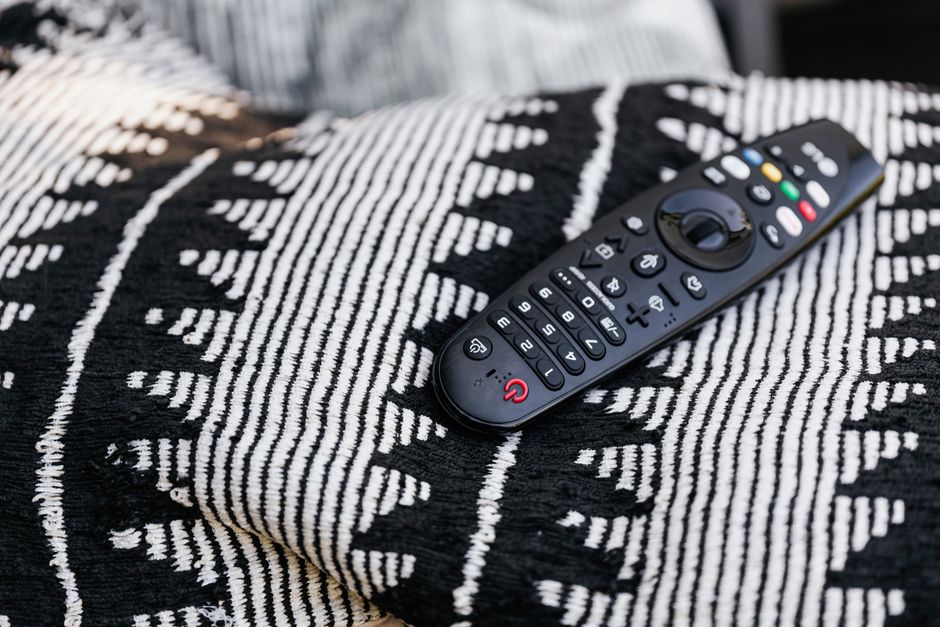
Internet Protocol Television simply means your TV signal travels through broadband instead of a dish or aerial. Legality depends entirely on who provides the stream. Choosing official apps from the BBC, ITV, Sky, or EE keeps you on the right side of the law.
Let’s look at how the top hardware choices stack up, evaluating not just raw processing power, but also long-term software support, user interface design, and integration with the wider UK smart home ecosystem.
Hardware comparison table for UK streaming boxes
Different operating systems change how you find and install official apps. Here is how the main contenders compare:
- Amazon Fire TV Stick 4K: Fire OS, excellent app availability, 4K HDR support, Wi-Fi 6, good voice control via Alexa, and budget-friendly pricing.
- Apple TV 4K: tvOS, premium app ecosystem, top-tier 4K HDR and Dolby Vision, optional Ethernet port on the high-end model, Siri remote, and powerful performance.
- Google TV Streamer / Chromecast: Android TV, massive app store, 4K support, Ethernet built into the newer dock, Google Assistant, and simple setup.
- Roku Streaming Stick 4K: Roku OS, straightforward interface, 4K HDR, Wi-Fi only, basic remote, and very easy for beginners.
- Smart TVs (Samsung / LG): Tizen or webOS, built-in apps, variable storage, Wi-Fi and Ethernet, limited app sideloading, and convenient all-in-one setup.
How do operating systems affect your viewing?
Your operating system decides what you can download. Android TV and Google TV offer huge flexibility, allowing users to access a massive repository of media players, catch-up services, and international streaming portals. Fire OS uses a heavily customised version of Android with Amazon’s own storefront, which heavily promotes Prime Video and integrated shopping features right alongside your live TV apps.
Apple TV runs tvOS. It locks down the system more tightly for privacy and security, completely eliminating intrusive banner advertisements from the home screen. Samsung and LG use proprietary platforms (Tizen and webOS respectively). They work brilliantly for major catch-up apps like BBC iPlayer, ITVX, and Channel 4, but you won’t find niche third-party players there.
Never assume a device supports every IPTV app. Always check the provider’s official app, the device app store, and current compatibility information before buying hardware. Furthermore, consider how updates are handled; Apple and Google generally roll out system updates and security patches much longer than budget television manufacturers do.
Pros and cons of popular UK streaming hardware
Every box has good points and bad ones. Fire sticks are cheap and portable, making them ideal for traveling or secondary bedroom televisions. However, they can run hot during extended 4K viewing sessions and pack limited internal storage, which means you may need to clear cache data frequently if you install numerous applications.
Apple TV units cost significantly more upfront, often double or triple the price of a basic streaming stick. In return, they reward you with snappy menus, zero advert clutter on the home screen, powerful A-series processors that handle fast-moving sports broadcasts without stutter, and superb privacy settings that prevent aggressive data tracking. Google TV sits comfortably in the middle, offering great voice search integration and a user-friendly recommendation engine that aggregates content across multiple subscription services.
If you want to read more about optimizing your setup, check our guide on how to configure Smart TV IPTV apps for UK broadcasting for practical configuration tips.
Broadband requirements and network optimization
Streaming high-definition and ultra-high-definition television places unique demands on your home network. While a standard definition stream might require only 3 to 5 Mbps, modern 4K HDR broadcasts from UK broadcasters demand a stable, high-speed connection. If multiple family members are gaming, video calling, or downloading large files simultaneously, your IPTV stream can suffer from buffering or sudden drops in resolution.
To avoid these frustrations, ensure your router is placed centrally or consider investing in a mesh Wi-Fi system if you live in a larger property with thick walls. Whenever possible, hardware solutions that support physical Ethernet connections—such as the Apple TV 4K (Wi-Fi + Ethernet model) or the Google TV Streamer—will always provide a more stable, jitter-free transmission pipeline for live sports and rolling news channels compared to wireless alternatives.
Setting up your legal streaming device
Plug your chosen box into an available HDMI port on your television or AV receiver. Connect it to a reliable power source using the provided adapter rather than a low-powered USB port on the TV itself. Follow the on-screen prompts to hook up your home Wi-Fi network and sign in with your user account (such as an Amazon, Apple, or Google ID).
Once logged in, download official broadcaster apps directly from the integrated store. Arrange your favourite channels and streaming portals on the home screen for quick access. Finally, dive into the system settings to configure parental controls, adjust audio output to match your soundbar or surround sound system, and ensure that your display resolution matches the maximum capability of your television screen.
Frequently Asked Questions
Are these streaming devices legal to own in the UK?
Yes. Buying hardware like a Fire Stick or Apple TV is completely legal. Legality relates purely to the software and services you choose to access.
Do I need a TV Licence to watch legal IPTV apps?
Yes. If you watch live television broadcasts or use BBC iPlayer in the UK, a valid TV Licence is required by law.
Can I use Ethernet with a Fire TV Stick?
Standard models use Wi-Fi only. You can buy a separate Ethernet adapter from Amazon to hardwire the connection.
Why won’t my Smart TV download certain apps?
Manufacturer app stores vary. Samsung and LG run different systems from Android TV, meaning some smaller services might not build apps for them.
Does 4K streaming require fast broadband?
Yes. Stable speeds above 25 Mbps are generally recommended for reliable ultra-high-definition streaming without constant quality drops.
Are parental controls available on all devices?
Most modern boxes include built-in PIN locks and content restrictions within their system settings.
How often should I update my streaming hardware?
Manufacturers usually support devices with security patches for several years. Replace them when official software updates stop arriving.
What is the easiest device for older family members?
Roku devices and simplified smart TV interfaces offer straightforward menus with minimal clutter.
For more information, iptv.
Related reading
- Choosing Legal Sports IPTV UK Packages for Saturday 3PM Kick-Offs
- UK IPTV Subtitles Guide: Fixing Language and Text Errors on Firestick and Smart TVs
Update: How to Fix Firestick IPTV Network Errors in the UK
Update: 6 Essential Factors When Buying Legal Sports IPTV UK Subscriptions