Choosing Your Football Setup
Watching every single televised match in Britain requires juggling multiple subscriptions. Die-hard fans know the pain of paying two major broadcasters just to follow one club through a single season. Premier League TV packages dictate how much money leaves your bank account every month and which fixtures you actually get to see.

Sky Sports holds the lions share of domestic broadcast rights, showing the bulk of weekend fixtures alongside Friday and Monday night games. TNT Sports grabs the early Saturday lunch slot and select midweek rounds. BT originally launched the channel to rival Sky, and Warner Bros. Discovery now runs the show under the TNT banner.
Cost and Contract Comparison
Sky traditionally locks customers into 18-month agreements. You can bundle their sports channels with broadband or pay for a standalone streaming pass via NOW. Prices jump after introductory deals expire, so you have to watch your renewal dates closely.
TNT Sports keeps things slightly simpler through platform tie-ins. EE, BT, and Virgin Media customers can bolt the channels onto their existing bills. Discovery+ handles the digital streaming side now. Monthly rolling options cost more than annual commitments, but they offer flexibility if you only want football during the winter months.
Match Selection and Quality
Sky covers around 128 matches per season under current arrangements. Their production value remains exceptionally high, featuring Gary Neville and Jamie Carragher in the studio every weekend. TNT Sports shows 52 matches annually, focusing heavily on top-tier showdowns and European nights.
Both broadcasters push 4K HDR feeds through their dedicated boxes and apps. You need a fast fibre connection to avoid pixelation during high-speed counter-attacks. Internet bandwidth bottlenecks can ruin a crucial penalty decision if your router struggles with peak evening traffic.
Our Recommendation
If you support a top-six club playing in Europe, you realistically need both providers to catch every match. Casual fans on a strict budget should grab a flexible monthly pass for the specific month their team plays key rivals. Don’t sign long-term contracts unless you watch sport every single day of the week.
For more information, iptv.
Related reading
- Understanding IPTV Channels UK Lineups: How to Navigate Live TV and Catch-Up
- UK IPTV Regulation and Broadcasting Laws: What Viewers Need to Know
Update: Smart TV IPTV App Storage: Storage Myths and Real Memory Fixes
Update: Evaluating an IPTV Trial UK: Myths, Facts, and What to Test
Comparing Matchday Options in the UK
Watching top-flight football from your living room has changed a lot. Saturdays at 3 PM used to mean heading down to the local ground or waiting for Teletext updates. Now, every household faces a choice between official subscription packages and third-party IPTV apps. Choosing the right path impacts your picture quality, audio sync, and monthly outgoings.

Sky Sports and TNT Sports hold the lion’s share of broadcast rights in the UK. Amazon Prime adds extra fixture blocks during December. These official channels deliver high bitrates and reliable feeds. You pay a heavy subscription fee for that stability. Independent IPTV players offer a different route altogether. They pull numerous international feeds into a single interface. The price tag looks attractive. But the legal and technical realities require careful thought.
Cost Versus Reliability
Official packages are expensive. Bundling Sky, TNT, and streaming add-ons can easily cost over eighty pounds a month. Households feel that pinch during cost-of-living squeezes. IPTV setups often cost a fraction of that amount. Users save hundreds of pounds annually.
Savings come with distinct risks. Official broadcasters guarantee continuity. If a channel goes down, engineers fix it immediately. Independent streaming setups lack that corporate backing. A sudden server outage can ruin a crucial north London derby. You get what you pay for in terms of uptime.
Picture Quality and Latency
Nobody wants a blurry picture when a striker bears down on goal. Official apps push crisp 1080p pictures at fifty frames per second. Some fixtures even stream in 4K HDR. Audio tracks match the on-pitch action precisely.
IPTV streams vary wildly. Some providers offer pristine High Definition. Others compress feeds heavily to save bandwidth. You might notice blocky artifacts during fast-moving counterattacks. Latency also causes headaches. Official feeds lag slightly behind real life. Third-party apps often lag even further. Your neighbour might shout about a goal thirty seconds before it hits your screen.
Hardware Compatibility and Setup
Getting set up takes effort either way. Official apps work natively on modern Smart TVs, games consoles, and streaming sticks. You download the software from the official app store. Log in with your account details. You are ready to watch.
IPTV requires more technical know-how. You need a dedicated media player like TiviMate or IPTV Smarters Pro. You must configure playlists or login credentials manually. Hardware choice matters immensely here. A sluggish device ruins the experience. Check our guide on how to fix buffering on Firestick IPTV player if your hardware struggles with live feeds.
The Verdict
Official broadcasters win on reliability and peace of mind. They deliver legal, high-quality streams without sudden blackouts. IPTV apps win on flexibility and price. They group international sports channels into one dashboard.
Stick with official channels if you hate technical glitches and want absolute security. Choose third-party options only if you understand the risks and technical hurdles involved. Your budget dictates the final call.
For more information, iptv.
Related reading
- Firestick vs Android TV Boxes for IPTV UK: Hardware Showdown
- How to Delete IPTV Playlist on Smart TV
Update: Smart TV IPTV EPG Setup: Getting UK TV Guides Working Properly
Update: UK IPTV Regulation and Broadcasting Laws: What Viewers Need to Know
Why Saturday 3 PM Premier League Matches Still Won’t Stream on UK IPTV
Saturday afternoon feels sacred for British football fans. Millions tune in or head to the ground for the traditional three o’clock kick-offs. Yet, if you open a legal Premier League live stream in the UK, those games are missing.
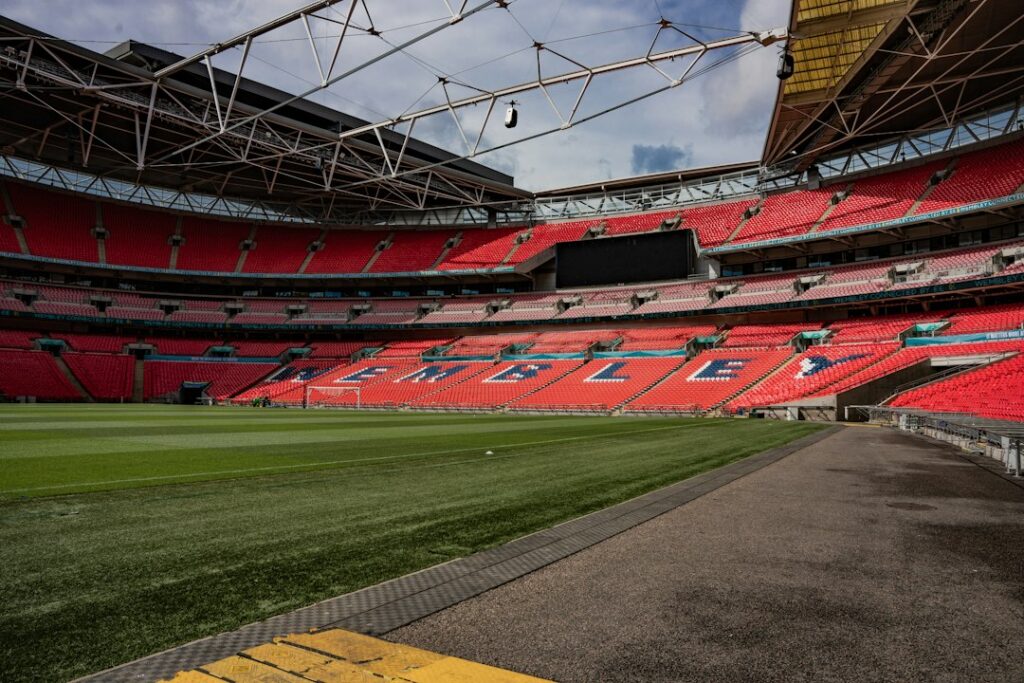
Broadcasters like Sky Sports and TNT Sports carry hundreds of fixtures each season. But they never show a Saturday three o’clock match. The blank screen frustrates supporters who expect modern television to offer every game. Understanding this gap requires looking back at a rule designed decades ago to protect stadium crowds.
The Origin of the Saturday Afternoon Blackout
The blackout rule dates back to the 1960s. Burnley chairman Bob Lord argued that televised matches would stop fans from paying at the gate. Lower league clubs rely heavily on matchday revenue. The Football Association agreed to protect attendances across the pyramid.
Television technology changed completely over the next sixty years. Satellites and broadband replaced terrestrial aerials. Still, the blackout survived every broadcasting rights auction. It remains embedded in domestic media contracts.
How Article 48 Protects Matchday Attendance
UEFA regulations allow member associations to block televised football during peak hours. In the UK, Article 48 of the UEFA statutes gives legal backing to this restriction. The Premier League applies this blackout window between 2:45 PM and 5:15 PM every Saturday.
No domestic channel can broadcast a match during these hours. This rule applies to traditional cable, satellite dishes, and any authorized online feed. If an app claims to show a 3 PM fixture legally to a UK IP address, it violates these core broadcasting agreements.
Will the Saturday Blackout Ever End?
Fans constantly debate whether modern viewing habits render the rule obsolete. Some argue that lower league attendances remain strong despite televised games. Others worry that smaller clubs would suffer without gate receipts.
The Premier League reviews its domestic broadcast strategy every few years. The current cycle maintains the blackout policy. Changing this rule requires consensus among clubs and approval from football authorities. For now, Saturday afternoons belong strictly to the stadiums.
For more information, iptv.
Related reading
- Broadband Connections and IPTV UK: 6 Factors Affecting Your Home Setup
- M3U URLs vs Xtream Codes API: Which IPTV Setup Method Suits UK Smart TVs?
Update: How to Delete IPTV Playlist on Smart TV
Update: Firestick vs Android TV Boxes for IPTV UK: Hardware Showdown
Saturday afternoon kicks off. Your screen freezes just as the ball crosses the goal line. Frustrating. Matchday stutter ruins the experience faster than a poor refereeing decision. You can fix this easily. Tweaking your TiviMate buffer settings solves most playback hiccups on UK home broadband networks. Let’s walk through the exact steps to configure your player properly.

Locating the TiviMate Buffer Settings Menu
Open the app on your Firestick, Android TV, or set-top box. Grab your remote control. Press the gear icon or the menu button to bring up the side panel. Scroll all the way down to Settings. Click it. Next, navigate to the Playback category. That is where the important controls live. You will spot the buffering submenu sitting right there. Most default values suit catch-up TV or on-demand movies, but live sport demands a different technical approach.
Factory defaults often cause trouble when traffic peaks. Broadcasters push huge data packets at three o’clock on a Saturday afternoon. Your player needs enough memory allocated to catch those packets smoothly. If the cache is too small, the picture stutters. If it is too large, your audio might drift out of sync with the video feed.
Choosing the Right Size for Live Football
You have four main choices inside the menu. Small, medium, large, and custom. Small sounds fast, right? Wrong. Low caching triggers constant drops when neighbourhood network traffic spikes. Matchday congestion requires extra breathing room. Medium works well for standard fibre connections exceeding 50 megabits per second. Large handles older copper lines and busy Wi-Fi environments much better.
Hardware makes a massive difference here. If you use a basic streaming stick, keep an eye on your storage space and memory usage. Heavy caching eats up system RAM quickly. If you use a dedicated streaming box rather than a thumb-sized stick, performance changes completely. You can check out our IPTV apps vs dedicated set-top boxes comparison for more details on hardware specs and capabilities.
Fine-Tuning Advanced TiviMate Buffer Settings
Let’s look at the extra toggles. Hardware decoding is your absolute best friend. Turn it on. Software decoding puts all the heavy lifting onto your device’s main processor. That causes thermal throttling, device slowdowns, and dropped frames on smaller hardware sticks.
Buffer size for UDP and HLS streams needs a careful touch. Set it to heavy if your internet drops packets frequently during peak hours. You should also check your stream format preference. MPEG-TS formats often behave differently than HLS streams when dealing with cache allocation. Test these changes during an actual live broadcast. Don’t test during quiet off-peak hours. Traffic loads look totally different at three o’clock on a Saturday compared to a quiet Tuesday morning.
Testing Your New Configuration
Watch a live stream for ten minutes after saving your changes. Notice any micro-stutters? Revert one change at a time. Patience pays off here. Every home network handles packets differently. Virgin Media and Openreach-based lines route traffic through different local exchanges. Your ideal setup might differ from your mate’s setup across town.
Wi-Fi interference causes ghost buffering issues too. Microwaves, thick walls, and Bluetooth speakers disrupt wireless signals easily. If your stream still drops after optimising your TiviMate buffer settings, try plugging an Ethernet cable directly into your streaming device. Wired connections bypass wireless dropouts entirely. Save your preferred setup once you find the sweet spot. Enjoy the match without staring at that annoying spinning loading circle.
For more information, iptv.
Related reading
- How to Test Your Broadband Speed for IPTV UK Streaming
- How to Configure Smart TV IPTV Apps for UK Broadcasting
Update: Smart TV Built-in Apps vs. Streaming Sticks: What Works Best for IPTV UK?
Update: TiviMate vs IPTV Smarters Pro: Which Player Wins for UK Matchdays?
The Three O’Clock Traffic Jam
Kick-off arrives across the UK. Millions of households tune into live football at the exact same minute. Suddenly, the high-definition feed stutters and drops to a blurry mess right as a striker bears down on goal. This frustrating slowdown usually stems from matchday network congestion hitting your local street cabinet or exchange.

It’s not just your house doing this. Entire streets stream the same fixture simultaneously. Local fibre cabinets strain under the sudden upload and download weight. When thousands of people in a single postcode fire up their legal streaming apps or television boxes at once, local capacity hits a wall.
How Local Infrastructure Handles the Surge
Most British homes rely on fibre-to-the-cabinet connections for internet access. The final stretch of copper cable from the green box outside your house to your living room has a finite bandwidth limit. Shared neighbourhood loops get stretched thin when heavy data demand spikes.
Broadcasters deliver feeds through content delivery networks spread across the country. Yet, the final bottleneck always sits between the local exchange and your Wi-Fi router. Before you try any technical fixes, running home broadband speed checks helps establish whether your line actually delivers what you pay for during peak hours.
Ofcom frequently monitors UK broadband performance during major sporting events. Their findings show that peak-time slowdowns affect cable and fibre networks differently depending on the provider. Virgin Media uses a coaxial hybrid network that pools local users together, whereas Openreach-based services on Sky or BT split loads slightly differently through direct fibre runs.
Spotting the Signs of ISP Traffic Management
Internet service providers employ various policies to keep traffic moving. Some older packages featured explicit traffic management during peak evening and weekend slots. Modern fibre deals rarely throttle video streams deliberately, but network strain still mimics deliberate slowdowns.
If your connection crawls only when the football is on, local node saturation is usually the culprit. Your neighbours are pulling heavy data too. The local routing path gets congested because the total demand exceeds physical cable capacity.
Practical Fixes for Your Home Setup
You cannot upgrade the street cabinet yourself. You can, however, optimize your home environment to fight matchday network congestion locally.
Wi-Fi interference ruins more streams than actual internet speed shortages. Microwaves, baby monitors, and thick interior walls disrupt wireless signals easily. Switch your streaming device to an ethernet cable if possible. Wired connections bypass wireless dropouts entirely.
If an ethernet cable isn’t an option, move your streaming box closer to the wireless router. Switch your connection to the 5GHz frequency band instead of 2.4GHz. The 5GHz band handles high-throughput video data much better, provided your device sits in the same room as the router.
Turning off background downloads on other household devices also frees up crucial bandwidth before the match starts. Simple steps like pausing console updates keep your stream running smoothly when local networks groan under heavy football traffic.
For more information, iptv.
Related reading
Update: How to Configure Smart TV IPTV Apps for UK Broadcasting
Update: How to Test Your Broadband Speed for IPTV UK Streaming
Catching every weekend fixture means relying heavily on official Premier League streaming apps, especially if you watch matches away from a traditional television aerial or satellite dish. Choosing the right platform changes how crisp the action looks on screen and whether your feed drops out during a tense penalty shootout.

Sky Sports and TNT Sports dominate the legal broadcast landscape in the UK. Both services let subscribers watch live football on phones, tablets, and living room hardware. Yet their underlying technology behaves quite differently under heavy network strain. Let us break down how each platform performs when millions of fans log on simultaneously.
Comparing Premier League streaming apps on your TV
Running a live sports feed through a Smart TV or streaming stick requires heavy lifting from your broadband connection. The Sky Sports app delivers 1080p video at fifty frames per second on most modern devices. Motion handling matters enormously when tracking a fast-moving football across a green pitch. Sky generally holds up well here, keeping camera pans smooth without too much judder.
TNT Sports now operates primarily through the discovery+ platform for its streaming output. This shift brought some technical changes to how feeds are encoded and delivered to living room hardware. Frame rates on discovery+ match Sky at fifty frames per second for major fixtures, but the bitrate allocation fluctuates more noticeably during peak evening kickoffs.
When you watch live sports, your router takes a hammering. Before you fire up either app on a Saturday afternoon, it pays to understand your matchday data consumption so you do not hit unexpected ISP caps or experience sudden mid-match slowdowns.
App interface and navigation speed
Software design makes a massive difference when you want to switch matches at half-time. The Sky Sports app keeps its menu structure straightforward. You land on a main dashboard showing live fixtures right at the top. Finding a specific game takes two or three clicks on a standard remote control.
Discovery+ takes a slightly different approach for TNT Sports content. Because the app also houses entertainment shows, documentaries, and Olympic coverage, football sits alongside non-sporting menus. Finding the right live stream sometimes requires scrolling past promotional banners or digging into sub-categories. Once you pin the match to your favorites list, subsequent access gets faster.
Loading times vary depending on your hardware. Apple TV units open both apps in under two seconds. Older Firestick models make you wait longer while local caches clear out and live thumbnails populate on screen.
How different Premier League streaming apps handle peak loads
Saturday at 12:30 PM brings a massive surge of concurrent users online. Server infrastructure gets tested to its absolute limit during these slots. Sky manages these spikes through dedicated Content Delivery Network nodes spread across major UK internet exchanges.
What happens in practice? Sky streams occasionally drop to standard definition for a few seconds before scaling back up to full HD if your local cabinet gets congested. It is an automated safety valve to prevent total freezing.
TNT Sports relies on global streaming architecture inherited from major tech partnerships. Buffering events happen less frequently during minor matches, but high-profile derby games occasionally trigger temporary login queues on the discovery+ backend. If you open the app two minutes before kick-off on a title-decider, expect a brief loading spinner while authentication servers clear your request.
Audio quality and multi-screen viewing features
Stadium atmosphere drives half the experience of watching football from your sofa. Sky broadcasts most marquee games with Dolby Digital 5.1 surround sound. The roar of the crowd surrounds you properly if your soundbar or home cinema receiver handles the codec correctly.
TNT Sports supports robust audio profiles too, though stereo output remains the default on budget streaming sticks unless you manually adjust audio settings in the app menu. Crowd noise sounds rich, but commentary balance occasionally overpowers stadium effects on the secondary audio channels.
Multi-screen viewing splits opinions. Sky offers a timeline feature on compatible tablets that lets you jump back to key incidents while the live match runs in a small window. TNT keeps its interface simpler, focusing on a single, uninterrupted video feed without distracting side panels.
Subscription costs and device limits
Money dictates everything in modern football broadcasting. Sky charges steep monthly fees unless you commit to long-term contracts bundling broadband and television packages together. Day passes through alternative providers offer short-term flexibility, though buying individual weekend access adds up quickly over a thirty-eight-game season.
TNT Sports packages tie into various broadband deals or digital TV add-ons. Managing multiple separate streaming apps across different households becomes frustrating because concurrent stream limits restrict how many family members can watch different matches simultaneously on holiday or in separate rooms.
Check your household setup before paying for redundant subscriptions. If your household splits its loyalty between different broadcasters, managing separate user accounts requires patience.
For more information, iptv.
Related reading
- Smart TV IPTV App Setup: Built-in Store vs USB Sideloading
- How Broadcasters Handle Premier League Live Streams in the UK
The Anatomy of a Saturday Afternoon Broadcast
Millions of fans tune in every weekend to watch Premier League live streams across the UK. Behind every televised fixture sits an enormous logistical effort. Production crews deploy dozens of ultra-high-definition cameras around grounds like the Emirates or Anfield. They capture every tactical shift and disputed penalty.

These camera feeds travel via dedicated fibre-optic cables to central production hubs in London or Salford. Directors mix the angles live. On-screen graphics, tactical analysis tools, and studio commentary layer over the visual feed before the signal leaves the building.
Encoding and Distribution Networks
Raw broadcast feeds require massive amounts of data bandwidth. Broadcasters compress these video files into multiple bitrates using advanced video codecs. This multi-rate approach ensures your device receives a steady stream. If your home broadband dips, the player drops the resolution rather than freezing entirely.
The encoded data travels through content delivery networks with servers positioned across Britain. These edge servers store copies of the broadcast close to your location. When you click play on Sky Sports, TNT Sports, or Amazon Prime Video, you pull data from a nearby server.
Latency remains a persistent challenge for digital video delivery. Internet streams lag behind traditional satellite or terrestrial broadcasts by anywhere from fifteen seconds to a full minute. You might hear a neighbour cheering a goal before your screen even shows the ball crossing the line.
Infrastructure Demands on Matchdays
Internet service providers brace for massive traffic spikes during high-profile fixtures. A north London derby or a title-deciding clash draws concurrent streams numbering in the millions. Network engineers monitor routing tables in real time to prevent bottlenecks.
Most modern home setups rely on dual-band Wi-Fi routers or ethernet cables to handle this data load. Older wireless frequencies struggle with the sustained throughput required for smooth high-framerate sports viewing. Packet loss ruins a broadcast faster than slow speeds alone.
The Evolution of Viewing Formats
Standard definition broadcasts vanished years ago. Today, 4K HDR streams set the benchmark for premium coverage. Broadcasters test variable refresh rates to eliminate motion blur during fast counter-attacks. Audio engineering has evolved alongside video quality. Dolby Atmos mixes place you right inside the stadium bowl, isolating crowd noise from the referee’s whistle.
Interactive features now accompany standard video feeds. Viewers can pull up live player statistics, change camera angles, or rewatch controversial incidents without missing live action. These features demand even more processing power from your streaming hardware.
For more information, iptv.
Related reading
- IPTV Apps vs Dedicated Set-Top Boxes: A UK Comparison
- ISP-Bundled Television vs Independent IPTV UK Services: A Straightforward Comparison
Update: Sky Sports App vs TNT Sports App: Which Premier League Stream Runs Smoother?
Update: Samsung Tizen vs LG webOS: Which Smart TV Operating System Handles IPTV Apps Better?
Saturday afternoon matches rarely air on British television. The traditional three o’clock blackout protects matchday attendances across the football pyramid. Finding a legal UK IPTV broadcast for these games requires careful navigation of official rights holders like Sky Sports, TNT Sports, and Amazon Prime Video. Many fans hunt for alternate feeds without realising the legal pitfalls.

Official Broadcasters and Your Living Room Setup
Domestic rights are split across several major networks. You need a legitimate subscription with authorised providers to watch legally. Sky Sports holds the lion’s share of fixtures. TNT Sports broadcasts Tuesday and weekend lunchtime games. Amazon shows specific round-robin blocks in December and spring.
Streaming these legally means using official apps on your smart TV, games console, or streaming stick. Hardware matters because processing power affects your frame rate during fast-moving counter-attacks. If you want to test an IPTV provider safely in the UK, always verify they hold proper commercial or domestic broadcasting licences rather than reselling unauthorised streams.
Why Saturday Three O’Clock Games Are Missing
Uefa Article 48 blocks live broadcasts of 3pm Saturday fixtures in the UK. Broadcasters cannot show them domestically. Any service claiming to offer every single match live from every stadium is operating outside broadcasting regulations. Legitimate services will only show televised selections chosen for broadcast.
Match schedulers pick games weeks in advance. Broadcasters test studio feeds and check audio channels before kickoff. Unauthorised vendors bypass these checks entirely. They pull signals from foreign channels that do not respect local broadcasting agreements.
Checking Provider Credentials Before Paying
Scam services pop up regularly on social media during peak matchdays. They promise thousands of channels for a tiny monthly fee. Real providers charge standard market rates reflecting the massive cost of sports rights. Check company registration numbers on the official government registry. Look for proper customer support channels with actual UK telephone numbers or email addresses.
Avoid lifetime subscriptions completely. Businesses operating legally rarely offer lifetime deals for perishable live sports content. If a company folds tomorrow, your money disappears with them. Monthly rolling contracts give you control and protect your bank account from sudden disappearances.
Hardware Compatibility and App Stability
Running a legal app requires decent hardware. Older streaming sticks choke on high bitrate 1080p feeds. Check your device storage and clear temporary files regularly. A smooth matchday experience relies on solid Wi-Fi or, better yet, a direct Ethernet cable plugged straight into your router.
For more information, iptv.
Related reading
Mastering the UK Football Calendar
Saturday afternoon at three o’clock hits differently when you have a weekend packed with football. Kick-offs clash, screens multiply, and tea gets cold. You need a proper routine if you want to catch every crucial moment of the Premier League live matches without driving your household mad.

Television rights in the UK split fixtures across various broadcasters. Sky Sports, TNT Sports, and Amazon Prime all take a slice of the action. Keeping track of who shows what means checking schedules well before the weekend whistle blows. Stop scrambling through apps at five past two.
Mapping Out Kick-Off Slots
Saturday lunchtimes usually kick off at half past twelve. That gives you just enough time to grab a pie before settling down. Traditional 3 PM blackout rules mean domestic fans cannot watch those matches live on TV. You have to wait for the highlights on Match of the Day later that evening.
Sunday brings another flurry of activity, typically featuring two main afternoon slots. Sometimes a Monday night fixture rounds out the gameweek. If you want to follow multiple games at once, setting up a second screen or tracking live scores alongside your main stream keeps you informed.
Optimising Your Viewing Setup
Check your home broadband speed before Saturday rolls around. High-definition streams demand steady bandwidth. When everyone in the street jumps online at the same time, network congestion happens. If you want to know more about keeping your connection stable, read this guide on how to choose an IPTV service in the UK for better reliability.
Clear your living room space ahead of time. Nobody wants to hunt for a lost remote while VAR checks a penalty. Keep your devices updated and plugged in. A flat battery during extra time ruins the whole afternoon.
Managing Your Time Between Matchdays
Football weekends drain your energy if you stare at a glass panel for eight hours straight. Step away during half-time. Make a brew, stretch your legs, and let your eyes rest from the fast-paced motion on screen.
Post-match analysis often runs for an hour after the final whistle. Decide early whether you want to watch the punditry or switch off immediately. Planning your evening around the football makes the whole weekend much more enjoyable.
For more information, iptv.
Related reading
- 4 Things to Know About IPTV Streaming Protocols and Codecs in the UK
- How to Test an IPTV Provider Safely in the UK
Saturday afternoon matches bring excitement, tension, and millions of viewers onto British telecom networks. If your connection drops right as a striker hits the back of the net, the culprit is usually your home broadband rather than the broadcaster. Running a Premier League live stream requires stable download speeds and low latency to avoid frustrating pixelation or sudden freezes.

Why Match Day Bandwidth Drops
Evening kick-offs and weekend fixtures coincide with peak internet usage across the UK. Your neighbours are streaming movies, gaming, or browsing, which puts heavy strain on local cabinet capacity. Cable and fiber networks handle this traffic differently. Older copper-based connections struggle more than full-fiber lines when entire neighbourhoods log on at once.
Running a Reliable Speed Test
Open a trusted diagnostic tool through your web browser or a dedicated app. Turn off background downloads, pause console updates, and disconnect heavy users like tablets before testing. You need to look at three main metrics: download speed, upload speed, and ping. Download speed matters most for high-definition video feeds. A baseline of at least 15 megabits per second handles standard HD streams comfortably, while 4K broadcasts demand upwards of 30 megabits per second.
Upgrading Your Wi-Fi Setup
Distance from your router ruins many streaming sessions. Thick walls, household appliances, and competing wireless channels degrade your signal strength significantly. Move your streaming device closer to the hub if possible. Switch from the crowded 2.4 gigahertz frequency band to the 5 gigahertz channel. Better yet, plug an ethernet cable straight into the back of your television or streaming box for a rock-solid connection that never drops packets.
Troubleshooting Network Congestion
Restart your router ten minutes before kick-off to clear cached data and assign a fresh IP address. If other household members stream heavy content simultaneously, enable Quality of Service settings in your router admin panel to prioritise your video traffic. Contact your internet service provider if your actual speeds fall far below what you pay for during peak hours.
For more information, iptv.
Related reading
- Firestick IPTV Setup Myths: Separating Fact from Fiction for UK Users
- Premier League Streaming FAQs for UK Viewers