- What makes a good IPTV UK service for films and box sets?
- Can I get an IPTV trial UK before paying for a full pass?
- How does a UK IPTV subscription handle Video on Demand libraries?
- Which devices work best for streaming UK IPTV movie catalogues?
- Are free movie apps better than a paid UK IPTV service?
What makes a good IPTV UK service for films and box sets?
Finding a reliable IPTV UK provider for movie nights requires looking past basic channel lists. You need strong Video on Demand libraries. Many services bundle thousands of films alongside live broadcasts. But picture quality matters just as much as quantity. Look for providers offering stable HD and 4K streams. Buffering ruins a tense thriller faster than anything else. Check if the service supports catch-up TV too. You do not want to miss the latest Sunday night drama.
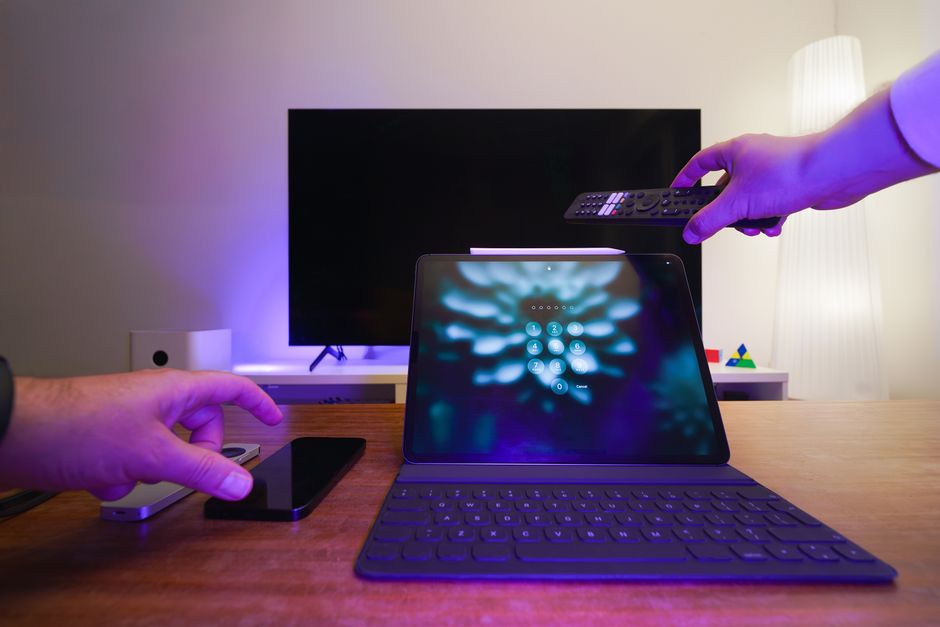
Audio formats deserve attention as well. Basic stereo sound feels flat during action sequences. Premium setups offer Dolby Atmos or 5.1 surround sound options. Make sure your playback hardware handles these audio profiles properly. A standard Fire Stick handles most streams easily. Yet, heavy VOD users might prefer a dedicated Android box for extra storage. You can read more about hardware choices in this Fire Stick and Android TV box comparison.
Can I get an IPTV trial UK before paying for a full pass?
Most reputable providers offer a short test period. Never skip this step. A test run lets you check server stability during peak evening hours. Networks get busy between seven and ten o’clock at night. If your stream drops then, the provider lacks enough bandwidth. Free trials usually last twenty-four or forty-eight hours. Use that window to test movie playback speed. Fast menu navigation makes browsing large libraries much easier.
Payment terms also deserve a close look during your test phase. Monthly plans offer more flexibility than annual commitments. If a service goes down permanently, you lose less money upfront. Some legal providers offer transparent monthly billing cycles. You can explore those options via our guide on best legal IPTV subscription UK monthly plans. Avoid lifetime deals entirely. IPTV infrastructure changes too quickly for permanent upfront fees to make sense.
How does a UK IPTV subscription handle Video on Demand libraries?
VOD catalogs operate differently from live television feeds. Instead of tuning into a scheduled broadcast, you pick content from a server directory. Good providers update these lists weekly. They add recent cinema releases and popular box sets regularly. Search functions must work fast. Scrolling through five thousand titles manually wastes precious viewing time.
Metadata quality varies wildly between providers. The best ones include clear synopses, cast lists, and genre tags. Poorly organized libraries feature mislabeled files and broken links. Ask your provider about their update schedule before buying. Reliable services maintain dedicated teams for fixing dead streams and replacing broken video files. If movies constantly fail to load, switch providers.
Which devices work best for streaming UK IPTV movie catalogues?
Hardware dictates your overall viewing experience. Amazon Fire devices dominate the market because they are cheap and portable. Yet, Wi-Fi interference ruins high-bitrate movie streams. A wired Ethernet connection fixes most stuttering issues. For details on optimizing your network setup, check this piece on wired versus wireless Fire Stick connections.
Smart TVs run native apps like IPTV Smarters or TiviMate. These apps organize movie posters nicely. They create a Netflix-style interface for your downloaded playlists. Apple TV units deliver great performance too, though player apps cost a few pounds to unlock. Pick a device that matches your technical comfort level. Complicated setups lead to endless troubleshooting instead of relaxing entertainment.
Are free movie apps better than a paid UK IPTV service?
Free streaming apps look tempting on paper. They cost nothing and require zero setup. But hidden costs exist. Most free apps rely on aggressive pop-up ads. Malware risks rise sharply when downloading unverified APK files from random forums. Paid services offer cleaner interfaces and fewer security headaches.
Ofcom and other regulatory bodies monitor digital broadcasting closely. Copyright laws apply strictly across digital platforms in the UK. Sticking to authorized apps keeps your home network secure. Free services often disappear overnight due to sudden domain seizures. Paid providers invest in stable server infrastructure instead of cutting corners.
For more information, iptv.
Learn more on Wikipedia: ITV (TV network).
Related reading
Update: How to Reduce Delay When Watching Live Football Online
Update: Best IPTV device for 4K TV in the UK
- The Truth About HD vs 4K Sports Streaming
- Myth vs Fact: Resolution and Reality
- The Technical Demands of Live Sports
- Pros and Cons of Higher Resolutions
- HD Sports Streaming
- 4K Sports Streaming
- Buying Checklist for UK Sports Fans
- Legal and Licensing Note
- Frequently Asked Questions
- Does 4K streaming use much more data?
- Will my old Fire Stick handle ultra-high-definition?
- Why does my high-definition stream look blocky?
- Is sports broadcasting in ultra-high-definition standard yet?
- Do I need a special HDMI cable?
- Can I watch live sports in high-definition on mobile data?
- What causes motion blur during fast football matches?
The Truth About HD vs 4K Sports Streaming
Your Saturday afternoon football match kicks off, but the ball blurs across the turf. You crank up your settings to maximum. Suddenly, the stream stalls and the dreaded loading wheel spins. Choosing between HD vs 4K sports streaming on your legal IPTV setup isn’t just about chasing the highest pixel count. It’s about matching your broadband speed to what your screen can actually handle.

Most fans assume ultra-high-definition is always the superior choice. That assumption causes endless buffering during crucial penalty shootouts. Let’s separate the marketing hype from the technical reality of live sports broadcasting in the UK.
Myth vs Fact: Resolution and Reality
Many viewers believe 4K means flawless clarity every single time. Broadcasters compress live feeds heavily to squeeze massive data rates across the internet. If your provider applies heavy compression, a standard high-definition stream often looks sharper and moves smoother than a muddy 4K feed.
Another common myth claims you need a massive internet pipe for basic high-definition. In truth, a stable connection of around 15 to 25 Mbps handles high-definition broadcasts comfortably. If you want to check your connection before matchday, read our guide on how to check your home broadband speed before streaming Premier League live streams.
The Technical Demands of Live Sports
Live football moves fast. Cameras pan quickly across crowded pitches. That motion requires serious data bandwidth to prevent pixelation.
- HD Streams: Typically require 10 to 20 Mbps. They offer great stability and rarely drop frames on standard fibre connections.
- 4K Feeds: Demand 30 to 50 Mbps or higher. They deliver four times the pixels, making player shirts and stadium grass crisp, but demand zero network congestion.
Before committing to ultra-high-definition packages, confirm what internet speed is suitable for IPTV in the UK so you don’t waste money on feeds your router drops.
Pros and Cons of Higher Resolutions
HD Sports Streaming
- Pros: Highly reliable, low bandwidth usage, compatible with almost any modern device, rarely buffers.
- Cons: Noticeable softness on screens larger than 55 inches.
4K Sports Streaming
- Pros: Stunning detail, vibrant colours, incredible depth on compatible televisions.
- Cons: Prone to stutters if broadband fluctuates, eats data caps quickly, requires expensive hardware.
Buying Checklist for UK Sports Fans
Don’t buy blind. Check these boxes before subscribing to any sports package:
- Test your actual wired or Wi-Fi download speed during peak evening hours.
- Verify your streaming device natively supports the video codec your provider uses.
- Check if simultaneous streams are allowed if other household members use the internet.
- Look for reliable customer support channels in case stream dropouts occur.
Legal and Licensing Note
Always use fully licensed platforms authorised by UK broadcasting authorities. Unlicensed sources often promise free ultra-high-definition feeds but violate copyright laws and compromise network security.
Frequently Asked Questions
Does 4K streaming use much more data?
Yes. A single hour of ultra-high-definition video consumes significantly more data than standard high-definition.
Will my old Fire Stick handle ultra-high-definition?
Older models struggle with heavy video decoding. You need a modern 4K-capable streaming stick or a direct smart TV app.
Why does my high-definition stream look blocky?
Low bitrates or network congestion usually cause blockiness, even when resolution settings are turned up.
Is sports broadcasting in ultra-high-definition standard yet?
Only select major fixtures air in true ultra-high-definition. Many matches still broadcast primarily in high-definition.
Do I need a special HDMI cable?
Yes. You need a high-speed HDMI cable rated for 4K pass-through to connect your streaming box to your television.
Can I watch live sports in high-definition on mobile data?
You can, but it burns through monthly mobile data allowances very quickly.
What causes motion blur during fast football matches?
Low frame rates or poor handling of rapid camera movements by the broadcast encoder cause motion blur.
For more information, iptv.
Related reading
Update: Best IPTV subscription for movies and entertainment
Update: How to update a legal IPTV app safely
- The Short Answer on UK Bandwidth Requirements
- Before You Start Checklist
- How Different Stream Qualities Affect Your Connection
- Step-by-Step Troubleshooting for Slow Streams
- Common Mistakes to Avoid
- When to Contact Your Internet Provider
- Safety and Legal Notes
- Frequently Asked Questions
- Does upload speed matter for IPTV?
- Why does my speed drop at 8 PM?
- Is Wi-Fi enough for 4K streaming?
You hit play on a live football match, but the screen freezes right as the ball heads toward the goal. Frustrating moments like this usually trace back to your connection. Finding the right internet speed for IPTV stops the endless buffering wheels on your Firestick or Smart TV. Standard definition needs very little bandwidth. High definition and 4K broadcasts demand a lot more data every second.
The Short Answer on UK Bandwidth Requirements
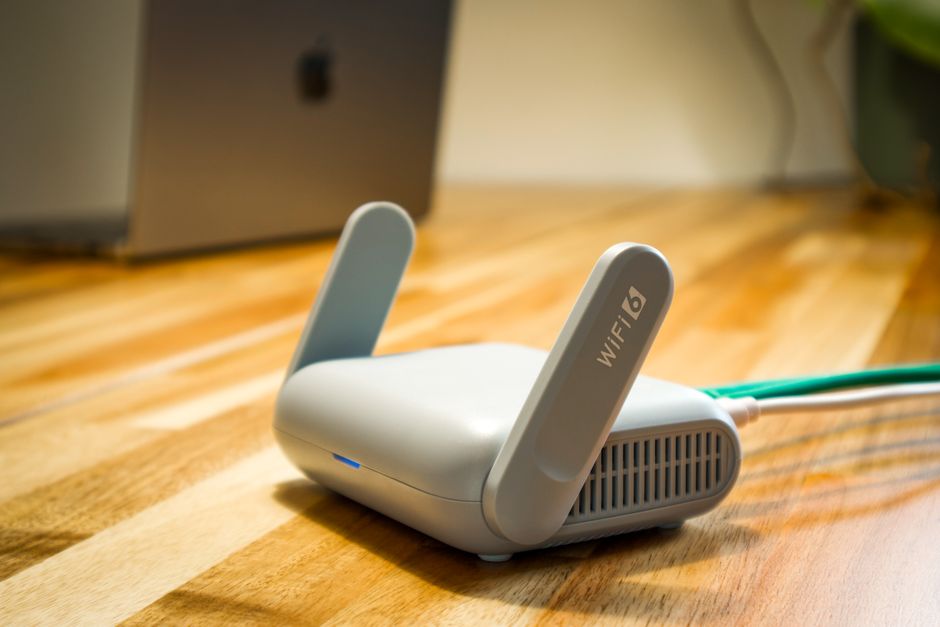
Most UK households need a steady download rate of at least 15 Mbps to stream standard HD channels reliably. If you watch Ultra HD or 4K content, aim for 30 Mbps or higher. Real-world performance depends heavily on Wi-Fi interference and how many devices share your broadband.
Before You Start Checklist
- Run a speed test using a device connected to the same network.
- Check your current broadband package details with your provider.
- Turn off large downloads or console updates running in the background.
- Restart both your router and your streaming player.
How Different Stream Qualities Affect Your Connection
SD streams require roughly 5 to 8 Mbps. That works fine on basic ADSL lines. Most UK streets now have fibre access, which easily clears that hurdle.
HD feeds need 10 to 15 Mbps. If multiple people stream video at once, your total household bandwidth drops fast. A 30 Mbps FTTC connection handles single HD feeds well, but peak evening hours can cause slowdowns.
4K broadcasts push past 25 Mbps. Fibre to the Premises (FTTP) handles these heavy data loads without breaking a sweat.
Step-by-Step Troubleshooting for Slow Streams
- Run a speed test on your TV or Firestick using a diagnostic app.
- Unplug your broadband router for thirty seconds, then plug it back in.
- Move your streaming device closer to the Wi-Fi router to cut down interference.
- Switch to an Ethernet cable if wireless signals keep dropping.
- Clear cached data inside your IPTV application storage.
Common Mistakes to Avoid
Many users rely on old copper wire broadband packages while trying to stream multiple HD channels simultaneously. Another common error involves placing wireless routers behind thick media units or near kitchen appliances, which weakens the signal instantly. Don’t assume your advertised broadband speed matches what actually reaches your living room socket.
When to Contact Your Internet Provider
If speed tests show numbers far below what you pay for, call your broadband supplier. Faulty external lines, degraded master sockets, or exchange congestion often require an engineer visit. Your IPTV provider cannot fix bad local line speeds.
Safety and Legal Notes
Always use official, licensed streaming applications and authorised broadband packages. This guide covers technical performance diagnostics for legitimate network setups only.
Frequently Asked Questions
Does upload speed matter for IPTV?
Not really. IPTV relies almost entirely on download bandwidth.
Why does my speed drop at 8 PM?
Neighbourhood network congestion causes slowdowns during peak evening hours.
Is Wi-Fi enough for 4K streaming?
Sometimes, but a wired Ethernet connection provides better stability.
For more information, iptv.
Related reading
Update: Best IPTV subscription for Smart TV users
Update: How to fix IPTV audio but no picture problems
- Can multiple family members watch different shows at the same time on one UK IPTV subscription?
- What channels do households actually get with an IPTV service UK package?
- Do we need a TV Licence if we use an IPTV provider UK service?
- How hard is it to set up IPTV for Firestick UK or living room TVs?
- What internet speed do UK families need for smooth streaming?
- How do parents manage age restrictions on family packages?
Best IPTV Subscription for UK Families
Finding a reliable TV package that keeps everyone happy under one roof is tricky. Children want cartoons, teenagers want live sports, and adults just want a quiet evening with a decent drama. That is why many households across the country are exploring What Is IPTV UK? A Complete Beginner’s Guide to see how internet-delivered television compares to traditional Sky or Virgin Media bundles. Selecting the right service involves looking at connection limits, device compatibility, and content variety.

Can multiple family members watch different shows at the same time on one UK IPTV subscription?
Yes, but it depends entirely on your connection limits. A standard single-connection plan only lets one device stream live TV at any given moment. Try launching a match on the living room television while someone else fires up a cartoon upstairs, and one stream will usually drop out.
Households with children need multi-connection packages. Most mainstream providers offer two or three simultaneous streams for a small extra fee. Before buying, check your router capabilities. Streaming multiple high-definition channels simultaneously chews through broadband bandwidth fast. If your Wi-Fi struggles with two streams, consider hardwiring your living room setup with Ethernet cables.
What channels do households actually get with an IPTV service UK package?
Channel lineups vary wildly between different services. A typical family package bundles local terrestrial networks like the BBC, ITV, Channel 4, and Channel 5 alongside dedicated children’s channels, documentary hubs, and international sports networks. You also get access to massive catch-up libraries.
Be careful with inflated channel counts. Providers advertising twenty thousand channels often pad their lists with thousands of duplicate foreign feeds or dead links. Quality matters more than quantity. Check whether the provider offers reliable access to standard British high-definition channels without constant freezing during peak evening hours. According to broadcast oversight discussions by Ofcom, streaming quality heavily depends on your local internet infrastructure and how the provider manages server loads.
Do we need a TV Licence if we use an IPTV provider UK service?
Yes. The law does not care whether your television signal arrives via a traditional rooftop aerial, a satellite dish, or a broadband router. If you watch or record live television transmissions as they are broadcast, or if you use BBC iPlayer on any device, UK law requires a valid TV Licence.
The rules enforced by TV Licensing apply equally to smart TVs, Firesticks, and tablets. Skipping a licence because you stream over the internet is a common misunderstanding. Make sure your household stays compliant to avoid unexpected fines.
How hard is it to set up IPTV for Firestick UK or living room TVs?
Setup is straightforward for most modern hardware. You rarely need an engineer visit. You download a media player app from your device app store, enter your custom login details, and wait for the playlist to load.
Amazon Firestick devices are popular because they are cheap and portable. You just plug them into an HDMI port. Smart TVs running Android TV or Tizen OS handle apps directly without extra dongles. If you want a deeper look at hardware choices, read our guide on Choosing the Right Smart TV IPTV Players for Your Living Room Setup to find an interface your whole family can navigate easily.
What internet speed do UK families need for smooth streaming?
Buffering ruins movie night. A stable broadband connection is non-negotiable. For a single high-definition stream, a reliable speed of 15 to 25 megabits per second is plenty. Multiply that if three people stream in different rooms.
Full fibre connections handle heavy household usage best. Traditional copper-wire broadband struggles when the entire street logs on after six in the evening. Run a speed test from your living room before committing to any long-term digital television plan.
How do parents manage age restrictions on family packages?
Managing adult content is a major concern for parents. Traditional platforms have built-in PIN locks. IPTV apps vary wildly in their parental control features.
Some third-party media players let you hide specific channel categories or lock adult folders with a master PIN. Set these restrictions up immediately during your initial configuration. Never leave unfiltered adult content accessible where young children can stumble onto it while clicking through channel guides.
For more information, iptv.
Learn more on Wikipedia: ITV (TV network).
Related reading
Update: Best IPTV subscription for Smart TV users
- Direct Answer: What to Look For
- Comparing Hardware Options
- Evaluating an Android TV Box for Legal IPTV
- Operating System and App Availability
- Processing Power and Storage
- Connectivity: Wi-Fi Versus Ethernet
- Pros and Cons of Android TV Players
- Setup Guidance for UK Households
- Compatibility Notes
- Legal Advice and Licensing
- Frequently Asked Questions
- Can I use any Android box for official streaming apps?
- Do I need a TV licence for IPTV in the UK?
- Why do some boxes cost under thirty pounds?
- Does Android TV support catch-up services?
- Can I connect a Bluetooth remote or game controller?
- What internet speed do I need for 4K streaming?
Choosing an Android TV box for legal IPTV requires looking beyond flashy marketing and checking raw specifications. Internet Protocol Television simply means streaming TV channels over your broadband connection instead of a traditional aerial or dish. But hardware matters just as much as the service you choose. If you want smooth playback for official broadcasters and licensed subscription apps, your streaming hardware needs enough grunt under the hood to handle high-bitrate feeds without stuttering.

UK viewers have plenty of options, ranging from dedicated media players like the Nvidia Shield to streaming sticks powered by Google TV. Let us break down what makes a solid hardware choice and how to pick the right device for your living room.
Direct Answer: What to Look For
To run official streaming applications properly, you need a device running a certified operating system with access to the Google Play Store. Look for at least 2GB of RAM, a modern quad-core processor, dual-band Wi-Fi, and native support for 4K HDR playback. Avoid unbranded budget boxes found online that lack official software updates or safety certifications.
Comparing Hardware Options
Not all streaming hardware is built the same. Operating systems dictate which apps you can download safely and legally. Below is a quick comparison of popular choices available to UK consumers.
| Device | Operating System | 4K & HDR | Ethernet Port | Approx. UK Price (2024) |
|---|---|---|---|---|
| Google TV Streamer | Google TV (Android 14) | Yes (Dolby Vision) | Yes (Built-in) | £99 |
| Nvidia Shield TV Pro | Android TV 11 | Yes (AI Upscaling) | Yes (Gigabit) | £189 |
| Amazon Fire TV Cube | Fire OS (Android-based) | Yes (HDR10+) | Yes (Via adapter/built-in) | £139 |
If you want to understand how data moves through these networks on matchdays, take a look at our guide on Premier League matchday data usage to see how much broadband live streams consume.
Evaluating an Android TV Box for Legal IPTV
Finding a reliable Android TV box for legal IPTV means checking hardware features carefully. Performance varies wildly between a cheap imported gadget and a certified media player.
Operating System and App Availability
Certified boxes run Android TV or Google TV. This means you get the official Google Play Store. You won’t have to sideload sketchy APK files or worry about apps breaking after a security patch. Major UK services like BBC iPlayer, ITVX, Channel 4, and official subscription apps install with a single click.
Processing Power and Storage
Live streams demand stable decoding power. Cheap chips drop frames during fast motion sports. Aim for devices with at least 16GB of internal storage if you plan on caching live buffer data or installing multiple catch-up apps.
Connectivity: Wi-Fi Versus Ethernet
Wi-Fi works fine for casual browsing, but live television hates packet loss. Ethernet cables provide a rock-solid connection. If your router sits far from the TV, ensure the device supports Wi-Fi 6 for better speeds through walls.
Pros and Cons of Android TV Players
Every piece of tech has trade-offs. Here is the honest breakdown of using these boxes for everyday viewing.
- Pros: Huge app selection, customisable home screens, voice search via Google Assistant, and regular security updates on certified models.
- Cons: Premium models carry a higher upfront cost, some interfaces feature sponsored content recommendations, and cheap generic boxes often lack Netflix certification.
Setup Guidance for UK Households
Getting your new hardware running takes minutes. Plug the device into an HDMI port on your television. Connect the power cable. Follow the on-screen prompts to sign in with your Google account. Connect to your home Wi-Fi network or plug in your Ethernet cable. Once the main interface loads, open the app store, search for your provider’s official viewing application, and sign in with your subscription details.
Compatibility Notes
Never assume an app works just because the box runs Android. Some streaming providers build custom apps for specific platforms. Always check your provider’s official website before purchasing hardware. They will list compatible versions and minimum operating system requirements.
Legal Advice and Licensing
Technology itself is neutral. IPTV is simply a delivery method. However, the legal status depends entirely on who provides the content. Ofcom and UK trading standards crack down heavily on unauthorised services offering premium sports and movie channels without broadcasting rights. Stick to official providers, licensed broadcasters, and verified apps from the main app store to keep your household on the right side of the law.
Frequently Asked Questions
Can I use any Android box for official streaming apps?
No. Many cheap imported boxes lack the digital rights management certifications required by major broadcasters and streaming networks.
Do I need a TV licence for IPTV in the UK?
Yes. If you watch live television broadcasts or use BBC iPlayer on any device, current UK law requires a valid TV licence.
Why do some boxes cost under thirty pounds?
Cheap boxes often use outdated software, lack security updates, and cannot run official HD or 4K streams from major services.
Does Android TV support catch-up services?
Yes. All standard UK catch-up apps run natively on certified Google TV and Android TV operating systems.
Can I connect a Bluetooth remote or game controller?
Most certified media boxes include Bluetooth support for peripherals, headphones, and gaming controllers.
What internet speed do I need for 4K streaming?
You need a stable broadband connection of at least 25Mbps for reliable 4K video playback.
For more information, iptv.
Related reading
Update: What internet speed is suitable for IPTV in the UK?
Update: Best streaming device for IPTV beginners
- Amazon Fire TV Stick vs Google TV: The Battle for Your UK Living Room
- Operating System and Interface Performance
- App Availability and Official Support
- 4K, HDR, and Audio Standards
- Hardware Specifications Comparison
- Pros and Cons of Amazon Fire TV
- Pros and Cons of Google TV
- Setup Guidance and Network Considerations
- Legality and Compliance
- Frequently Asked Questions
- Can I use any IPTV app on Fire TV?
- Does Google TV support 4K streaming?
- Which platform has a better remote control?
- Do I need a fast broadband connection for live TV?
- Are these devices legal to use in the UK?
- Can I connect an Ethernet cable directly?
- How do I manage parental controls?
- What storage do these devices offer?
Amazon Fire TV Stick vs Google TV: The Battle for Your UK Living Room
Choosing a streaming hardware setup for your legal television subscriptions can feel confusing. You plug a tiny black rectangle into the back of your television, but the software inside dictates how smoothly your channels load. Internet Protocol Television delivers live broadcasts over your home broadband connection. Whether your setup runs smoothly depends entirely on the operating system handling the data. Two major ecosystems dominate British living rooms right now: Amazon’s Fire OS and Google TV.

Operating System and Interface Performance
Fire OS runs on a heavily customized version of Android. It pushes Amazon Prime content aggressively across the home screen. Ads take up substantial banner space. That interface can feel cluttered if you just want to watch live television channels through an official provider app. Google TV feels cleaner. It aggregates content from multiple licensed apps neatly. Google’s recommendation engine generally suggests programmes you actually watch instead of pushing storefront rentals.
App Availability and Official Support
Both platforms give you access to major UK catch-up services like BBC iPlayer, ITVX, Channel 4, and My5. When you download a legal IPTV application from an official app store, compatibility is usually straightforward. However, you must always check the provider’s official guidelines before buying hardware. Not every device supports every app natively. Google TV runs on the Google Play Store. Fire TV uses the Amazon Appstore. Selection varies slightly between them.
4K, HDR, and Audio Standards
Picture quality matters when you stream live sports or HD movies. Both high-end Fire TV sticks and Google TV devices support 4K Ultra HD resolution. Dolby Vision and HDR10+ feature widely across flagship models. Dolby Atmos audio pass-through works reliably on both platforms too. Cheaper budget dongles might drop down to 1080p, so check specifications carefully. Match your hardware capabilities to your living room television setup.
Hardware Specifications Comparison
| Feature | Amazon Fire TV Stick 4K Max | Google TV Streamer / Chromecast |
|---|---|---|
| Operating System | Fire OS 8 | Google TV (Android 14) |
| RAM | 2 GB to 4 GB | 2 GB to 4 GB |
| Wi-Fi Standard | Wi-Fi 6E | Wi-Fi 5 or Wi-Fi 6 |
| Ethernet Support | Via optional adapter | Built-in on select models |
Pros and Cons of Amazon Fire TV
Amazon hardware is affordable and frequently discounted during major retail sales. Setup takes minutes if you link your existing Amazon account during unboxing. Voice control via Alexa works well for launching specific applications. On the downside, the user interface includes persistent advertising. Storage space fills up fast if you cache heavy streaming data.
Pros and Cons of Google TV
Google TV offers a streamlined layout with fewer intrusive adverts on the home screen. Google Assistant integration responds quickly to voice commands. Casting content directly from your smartphone or laptop is effortless. Conversely, hardware options are currently more expensive than Amazon’s budget sticks. Some menu settings feel buried under multiple layers.
Setup Guidance and Network Considerations
Plug your chosen device into an available HDMI port. Connect the power cable to a wall socket rather than a USB port on the television. A stable internet connection is essential for buffering-free live streams. If your Wi-Fi drops frequently, look for a model with a wired Ethernet connection. For help troubleshooting network setups, read our guide on broadband connections and IPTV UK.
Legality and Compliance
Internet television technology itself is entirely legal. Broadcasters use it to deliver content straight to domestic screens. Legality depends strictly on whether your provider holds valid distribution rights. This article strictly discusses official applications and licensed platforms. We never endorse unauthorized streams or modified software applications.
Frequently Asked Questions
Can I use any IPTV app on Fire TV?
No. You must check the provider’s official app store and current compatibility lists.
Does Google TV support 4K streaming?
Yes. Premium models support 4K Ultra HD along with HDR formats.
Which platform has a better remote control?
It depends on personal preference. Both remotes include dedicated streaming buttons and voice search.
Do I need a fast broadband connection for live TV?
Yes. A stable broadband connection prevents stuttering during high-definition live broadcasts.
Are these devices legal to use in the UK?
Yes. Both Amazon and Google devices are completely legal retail hardware items.
Can I connect an Ethernet cable directly?
Some Google TV models include built-in ports, while Fire sticks usually require an adapter.
How do I manage parental controls?
Both operating systems feature dedicated settings menus to restrict content by age rating.
What storage do these devices offer?
Storage varies by model, typically ranging from 8 GB to 32 GB of internal flash memory.
For more information, iptv.
Related reading
Update: Best IPTV subscription for football fans in the UK
Update: Best IPTV alternatives to TNT Sports in the UK
- Myth 1: Every Monthly IPTV Package Available in the UK Operates Within the Law
- Fact 1: Legitimate Streaming Comes From Authorized App Providers
- Myth 2: Monthly Rolling Contracts Mean You Can Never Get Locked Into Hidden Fees
- Fact 2: Legitimate Monthly Plans Offer Consumer Protection and Clear Terms
- Myth 3: You Don't Need a TV Licence If You Only Stream via Internet Apps
- Problem and Solution: Navigating the Maze of UK Streaming Options
- What to Look for in a Monthly Plan That Won't Break Broadcasting Rules
- Testing Before You Commit: Evaluating Service Quality Legally
- Frequently Asked Questions
- Are monthly streaming apps legal to use in the UK?
- Why are unofficial monthly packages so much cheaper than legal providers?
- Can I use a VPN to make an illegal streaming service legal?
- How do I know if a streaming provider is authorized in the UK?
Best Legal IPTV Subscription UK Monthly Plans
Finding a reliable legal IPTV subscription isn’t always straightforward. The internet is full of cheap monthly offers promising thousands of channels for pocket change. Most of those deals break copyright laws. If you want to stream television over your broadband connection without risking fines or sudden blackouts, you need to know what separates legitimate broadcasters from unauthorised grey-market resellers.

Broadcasting rights in the UK are strictly controlled. When you pay for a monthly television plan, your money should support the creators, sports leagues, and network operators holding the actual transmission licences. Let’s break down the common myths surrounding internet television packages and look at how legitimate monthly streaming options actually work in the UK today.
Myth 1: Every Monthly IPTV Package Available in the UK Operates Within the Law
Many viewers assume that if an app installs easily on a Firestick, the underlying service must be legal. That assumption causes trouble. Thousands of third-party sellers market cheap monthly playlists containing premium sports, cinema, and international channels.
These operators rarely hold the commercial broadcasting agreements required by UK media authorities. Ofcom regulates broadcast licensing, and legitimate content distribution requires formal authorization from copyright holders. Unauthorised services simply scrape feeds from legitimate platforms and rebroadcast them without permission. When you buy one of these packages, you are paying an unlicensed middleman who could disappear tomorrow.
Fact 1: Legitimate Streaming Comes From Authorized App Providers
A genuine internet television plan comes directly from licensed media companies. Think of services like BBC iPlayer, ITVX, Channel 4, Sky’s Now, or TNT Sports delivered through digital apps. These platforms use internet Protocol Television technology to stream live and on-demand content straight to your Smart TV, tablet, or streaming stick.
They offer transparent monthly rolling contracts. You pay the network, you use their official app, and you receive stable feeds backed by proper customer support. There’s no hidden Telegram group chat for customer service and no sudden server shutdowns on a Saturday afternoon.
Myth 2: Monthly Rolling Contracts Mean You Can Never Get Locked Into Hidden Fees
Flexibility attracts many buyers to short-term streaming packages. Advertisers love to shout about zero-commitment monthly billing. Unfortunately, unlicensed providers often use month-to-month terms to mask unstable infrastructure.
When a shady streaming panel gets shut down by law enforcement or upstream copyright actions, your paid month ends instantly. You lose your money, and you have no consumer rights protection under UK law. You cannot call a customer helpline or claim a refund from your bank easily when you knowingly paid an unregulated overseas crypto-merchant.
Fact 2: Legitimate Monthly Plans Offer Consumer Protection and Clear Terms
Authorized providers operate under Consumer Rights legislation enforced by the Competition and Markets Authority. If you sign up for a monthly streaming pass with a licensed UK provider, your payment is protected. You get clear cancellation terms, transparent billing dates, and reliable uptime guarantees.
Legitimate services invest heavily in their server architecture. They maintain Content Delivery Networks that prevent buffering during major live events. You pay for infrastructure, not just a scraped link copied from a satellite feed.
Myth 3: You Don’t Need a TV Licence If You Only Stream via Internet Apps
A persistent internet myth claims that internet television exempts you from standard UK broadcasting fees. People think that cutting the aerial cord means cutting ties with the television licensing authority entirely.
The rules are quite specific. According to TV Licensing, you need a valid UK television licence if you watch or record programmes as they are being broadcast on any channel, or if you use BBC iPlayer. This applies whether you receive those programmes via traditional rooftop aerials, cable, satellite, or an internet stream.
Problem and Solution: Navigating the Maze of UK Streaming Options
The biggest problem facing modern viewers is choice fatigue mixed with financial pressure. Subscription costs add up fast when you want sports, movies, and entertainment bundles across multiple separate apps.
Consumers often look for all-in-one unofficial packages because buying every legal channel individually costs a small fortune. But solving your entertainment budget by using pirate resellers creates bigger security risks. Stolen payment details, malware-infected app downloads, and sudden service loss outweigh any temporary financial saving.
The practical solution involves curating your monthly subscriptions based on what you actually watch. Instead of paying for a bloated, illegal mega-playlist, mix and match a couple of authorized monthly passes. Cancel them during months when your favourite sports leagues are on summer break. Rotate your streaming services dynamically to keep costs manageable while staying completely on the right side of the law.
What to Look for in a Monthly Plan That Won’t Break Broadcasting Rules
When evaluating legal streaming options for your home setup, check for specific trust signals. Legitimate companies always display clear company registration details, UK contact addresses, and straightforward privacy policies.
Avoid any service that asks for payment exclusively via cryptocurrency, bank wire transfer to an unknown personal account, or obscure gift card codes. Licensed providers accept standard debit and credit cards, PayPal, or direct debit mandates.
Check the app availability. Genuine providers maintain official listings on major app stores like Amazon Appstore, Google Play Store, or Apple App Store. If an app requires sideloading via obscure developer tools just to bypass security warnings, it is rarely a legitimate commercial broadcaster.
Testing Before You Commit: Evaluating Service Quality Legally
Many authorized streaming platforms offer short introductory periods or flexible monthly tiers without cancellation penalties. Before you commit to a long-term habit with any provider, make sure your home broadband can handle the data load.
Live streaming requires consistent download speeds, especially during peak evening hours when neighbourhood network traffic spikes. If you want to test an IPTV provider safely, always use official free trials or short-term monthly passes offered directly through verified app stores.
Never download cracked APK files or trust random links shared on social media forums. Stick to official application marketplaces where app security has been verified by platform operators.
Frequently Asked Questions
Are monthly streaming apps legal to use in the UK?
Yes, as long as the provider holds the correct broadcasting rights for the content they distribute. Official apps from established media networks operate fully within UK law.
Why are unofficial monthly packages so much cheaper than legal providers?
Unauthorised resellers don’t pay billions for sports broadcast rights, licensing fees, or server maintenance. They simply steal existing streams and sell access illegally, which is why they can afford low prices until authorities shut them down.
Can I use a VPN to make an illegal streaming service legal?
No. Using a Virtual Private Network hides your internet traffic from your internet service provider, but it does not change the copyright status of the content you are viewing. Copyright infringement remains illegal regardless of encryption tools used.
How do I know if a streaming provider is authorized in the UK?
Look for official corporate ownership, transparent terms of service, secure payment methods, and presence on official app marketplaces like Google Play or Amazon.
For more information, iptv.
Related reading
Update: IPTV vs Sky Sports for UK football fans
Update: Amazon Fire TV Stick vs Google TV for IPTV
- Choosing the Right Firestick for Your Living Room
- Hardware Breakdown: Processing Power and Storage
- Comparing the Lineup: Specs and Performance
- Operating Systems and App Availability
- Pros and Cons of Amazon Streaming Sticks
- Setup and Daily Use
- FAQ
- Do I need a TV licence to watch IPTV in the UK?
- Can I connect an Ethernet cable to a Firestick?
- Are all IPTV apps legal?
- Why does my streaming stick buffer during live sports?
- Does the remote require special batteries?
- Can I use my phone to control the device?
- What resolution do I need for standard streaming?
- Will my streaming stick get automatic software updates?
Choosing the Right Firestick for Your Living Room
Amazon’s lineup of streaming media players dominates British living rooms. You plug them straight into an HDMI port and get instant access to apps. But finding the Best Firestick for IPTV and legal broadcasting requires looking past the low entry price. Performance varies wildly across the generation line, from the basic Lite model up to the heavy-hitting Fire TV Cube.
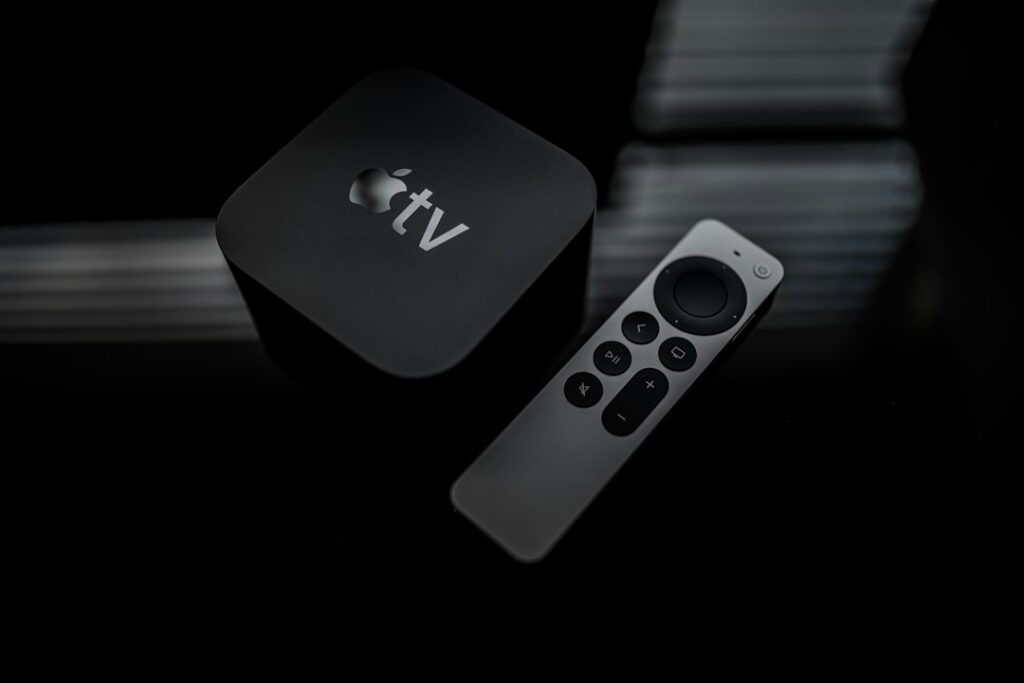
IPTV simply delivers television signals over the internet rather than traditional aerial or dish cables. Whether it’s legal depends entirely on the broadcaster holding the correct rights. You need hardware that handles high-bitrate video feeds without stuttering. Let’s look at how the main contenders stack up for UK viewers.
Hardware Breakdown: Processing Power and Storage
Processor speed matters when you run live television streams. The entry-level stick often struggles with complex interface navigation. Upgrading to a beefier processor keeps menus snappy. Storage space also disappears quickly once you install multiple official apps and catch-up services. You want at least 16GB of internal storage if you plan on keeping a busy app drawer. Many users find out too late that cheaper variants run out of room fast.
Comparing the Lineup: Specs and Performance
Let’s break down what separates Amazon’s various streaming sticks. The current generation ranges from basic HD units to premium 4K powerhouses. You’ll want to match your television’s native resolution to the device you buy. If you own an older bedroom TV, basic HD suffices. For a main lounge setup, 4K HDR support is non-negotiable.
Wi-Fi connectivity dictates your stream stability. Dual-band Wi-Fi 6 keeps live feeds locked in solidly. Ethernet adapters remain optional extras for most sticks, though. If your router sits far from the television, wired connections prevent dropped frames during peak evening hours.
Operating Systems and App Availability
Fire OS powers every Amazon streaming device. It’s built on Android, meaning sideloading is technically possible, but official app stores remain the safest bet. When setting up a reliable Best IPTV devices for UK users approach, stick to official applications found directly in the Amazon Appstore. Major legal UK providers like BBC iPlayer, ITVX, and Channel 4 all feature natively. Never touch modified APK files or unverified software from strange web sources. Ofcom and intellectual property holders actively monitor unauthorised streaming tools.
Pros and Cons of Amazon Streaming Sticks
- Pros: Affordable entry price, excellent voice control via Alexa, wide official app support, regular security updates.
- Cons: Heavy Amazon interface promotion, limited storage on base models, occasional Bluetooth remote pairing quirks.
Setup and Daily Use
Unboxing a Fire TV device takes minutes. You plug it into wall power, connect the HDMI extender if space is tight, and sign in with your Amazon account. Remote controls have evolved to include dedicated app buttons and volume rockers. Voice search via Alexa saves endless typing on onscreen keyboards. Parental controls let you lock explicit content behind a PIN, keeping younger family members safe.
FAQ
Do I need a TV licence to watch IPTV in the UK?
Yes. If you watch live broadcasts on any channel or use BBC iPlayer on-demand, you legally require a valid UK TV Licence.
Can I connect an Ethernet cable to a Firestick?
Standard sticks require a separate Ethernet adapter, while the high-end Fire TV Cube includes an ethernet port out of the box.
Are all IPTV apps legal?
Legality depends entirely on whether the provider holds valid distribution rights for the content they broadcast.
Why does my streaming stick buffer during live sports?
Live streams demand stable internet speeds and adequate device processing power to decode high bitrates smoothly.
Does the remote require special batteries?
Standard AAA batteries power the voice remotes, and replacements are easy to swap out when needed.
Can I use my phone to control the device?
Amazon offers a free mobile app that turns your smartphone into a functional remote control.
What resolution do I need for standard streaming?
1080p HD works fine for older screens, but 4K HDR offers sharper visuals on modern living room displays.
Will my streaming stick get automatic software updates?
Amazon pushes security patches and interface updates over the air automatically.
For more information, iptv.
Related reading
Update: How to fix IPTV login problems legally
Update: IPTV vs Sky Sports for UK football fans
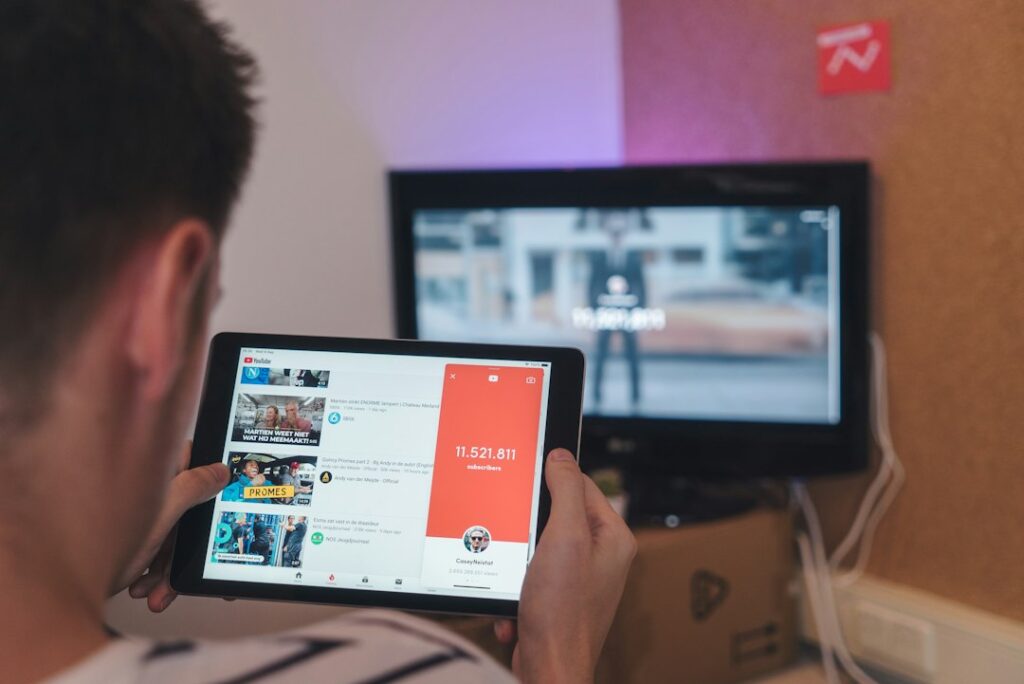
Finding the best IPTV subscription in the UK requires looking past flashy marketing pages and checking actual network performance in your living room. Most households upgrade their television setup because standard terrestrial aerials or traditional cable packages fail to deliver flexible viewing. You want crisp HD streams, minimal channel switching delays, and a stable connection that doesn’t drop during a crucial Premier League match or a Sunday evening drama on BBC One.
Step One: Test Your Broadband Speed and Latency
Before you spend money on any service, check what your internet line can actually handle. Internet Protocol Television demands consistent bandwidth rather than just peak download numbers. Openreach fibre networks and Virgin Media cable lines handle heavy data loads differently depending on your postcode. Run a wired speed test from your router if possible. Wi-Fi interference in typical British brick-built homes often ruins high-bitrate video streams.
You need a minimum download speed of 30 Mbps for reliable high-definition feeds. Ultra HD broadcasts require double that figure. Packet loss matters just as much as raw speed. If your line drops data packets every few minutes, your video feed will stutter or freeze completely. Check your broadband provider’s traffic management policies too. Some ISPs throttle video streaming traffic during peak evening hours between 7 PM and 11 PM.
Step Two: Match Your Hardware to Your Streaming Habits
Hardware choice dictates how smooth your viewing experience feels day-to-day. Smart TV built-in processors often struggle with heavy electronic program guides and complex playlist updates. A dedicated streaming stick or set-top box usually delivers snappier performance. Many viewers lean towards Amazon Fire TV sticks because they handle modern video codecs cleanly and cost very little.
If you want a deeper dive into device performance, read our Firestick vs Android TV Boxes for IPTV UK: Hardware Showdown to see which unit fits your setup. Apple TV offers a premium interface, but sideloading media players takes extra effort compared to Android-based alternatives. Pick a device with at least 2GB of RAM so the interface stays responsive when loading thousands of channels and video-on-demand posters.
Step Three: Evaluate Providers and Request an IPTV Trial UK
Never commit to a long-term contract straight away. Reliable providers always offer a short test window so you can evaluate stream stability during peak UK broadcasting times. Check whether the service covers major domestic channels like ITV, Channel 4, and Sky Sports without excessive buffering. Watch out for providers promising tens of thousands of channels with zero downtime. That claim usually signals oversold servers that will fail when everyone tunes in for a major sporting event.
Regulatory bodies like Ofcom regularly publish reports on UK broadband speeds and consumer rights, helping you understand what level of service to expect from your internet connection. When evaluating a service provider, look closely at their customer support responsiveness. Do they offer a dedicated web portal, or do they disappear behind anonymous messaging apps the moment a stream goes down?
Step Four: Configure Your Playlist Format
Once you secure your login credentials, you need to link your chosen app to the provider’s server. Most services give you two main connection routes. You can use a direct web link or enter API credentials directly into your media player. Choosing the right configuration method saves you hours of frustration later on.
To understand the technical differences between these formats, check our guide on M3U URLs vs Xtream Codes API: Which IPTV Setup Method Suits UK Smart TVs?. Xtream Codes logins usually update your electronic program guide much faster than standard text links. They also handle server reconnections automatically if your internet blips for a second.
Step Five: Optimise Your Setup for Stability
After everything runs, minor adjustments keep your streams running smoothly. Position your Wi-Fi router away from thick walls and household appliances that cause radio frequency interference. Clear your media player’s cache once a week to prevent sluggish menu navigation. If you notice persistent stuttering during live sports broadcasts, switch your app’s hardware decoding settings from software mode to hardware acceleration.
Remember to check your legal responsibilities regarding broadcast reception. As noted by TV Licensing, watching live television broadcasts across any online platform or device in the UK still requires a valid television licence. Keeping your setup compliant protects you from unexpected fines and keeps your home entertainment system running without legal grey areas.
For more information, iptv.
Related reading
Update: Best legal sports streaming services in the UK
Update: Best Firestick for IPTV and streaming in the UK
- The Speed Myth That Trips Up Viewers
- Understanding Bitrates and Resolution
- Why Wi-Fi Fails Live Video
- Evaluating Your Internet Provider's Traffic Management
- Practical Steps for Better Streaming Performance
- Frequently Asked Questions
- Why does my stream buffer only during weekend football matches?
- Is fibre broadband mandatory for high-definition streams?
- Does VPN usage affect live video playback?
The Speed Myth That Trips Up Viewers
People often assume that grabbing the fastest broadband package solves every streaming issue. Advertisers promise gigabit speeds, so consumers pay top pound. Yet, live television streams demand more than raw download numbers. Packet stability matters far more than peak speed when you use live stream buffering fixes to sort out stuttering playback. Ofcom reports that average UK broadband connections exceed eighty megabits per second in many areas, but a high headline figure doesn’t guarantee a smooth feed.
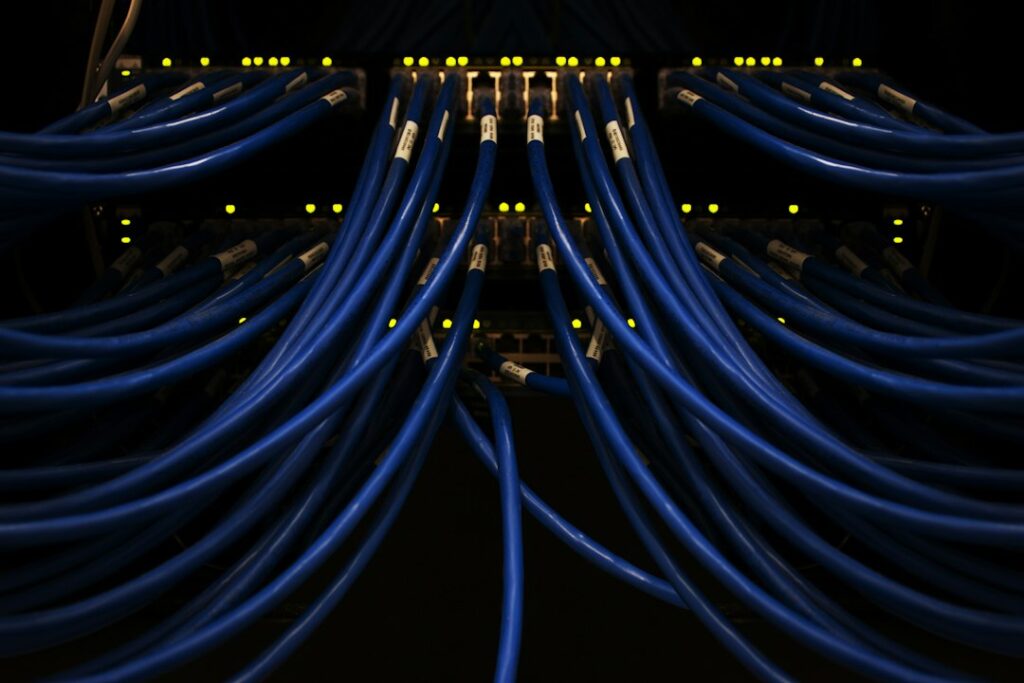
Network congestion during peak evening kick-off times creates bottlenecks. Your internet service provider might throttle specific protocols. Wi-Fi interference from household appliances wrecks packet delivery. Raw bandwidth is just one piece of a complex puzzle.
Understanding Bitrates and Resolution
High-definition feeds require steady data delivery. A standard 1080p stream at fifty frames per second needs around five to eight megabits per second of constant throughput. 4K broadcasts demand double that amount. If your connection dips below these thresholds for even two seconds, the player drops frames or stalls completely.
Buffer bloat occurs when routers queue too many packets. Latency spikes ruin real-time video delivery. Your ping rate matters just as much as your download speed. Wired Ethernet cables beat wireless connections every single time for stability.
Why Wi-Fi Fails Live Video
Radio waves bounce off walls, interfere with microwaves, and share airspace with your neighbours’ routers. Packet loss on Wi-Fi sits around two to five percent on average. Live video protocols hate packet loss. They require continuous, orderly data streams. Dropped packets force the video player to request retransmissions. That extra step introduces visible delays and stutter.
Switching to a wired connection drops packet loss close to zero. Ethernet ports on streaming boxes eliminate interference completely. If running a cable across the lounge isn’t practical, powerline adapters offer a reliable middle ground by using domestic electrical wiring.
Evaluating Your Internet Provider’s Traffic Management
Internet service providers handle traffic differently. Some networks manage peak hours by shaping traffic types. Live video streaming protocols sometimes trigger traffic management policies. Network congestion builds up at local street cabinets during popular weekend fixtures.
Run regular speed tests during actual match times rather than quiet Tuesday mornings. Real-world performance tells the true story of your connection. Check your router settings for Quality of Service options. Prioritising your streaming device gives it network preference over background downloads.
Practical Steps for Better Streaming Performance
Fixing stream stability starts at the physical layer. Unplug your router and streaming stick once a month to clear temporary memory caches. Update your device firmware whenever manufacturers release patches. Check background apps running on your streaming hardware.
Close background tasks to free up RAM. Too many active apps drain system resources and slow down video decoding. Simple maintenance routines keep hardware running smoothly over years of daily use.
Frequently Asked Questions
Why does my stream buffer only during weekend football matches?
Local network congestion causes this issue. Neighbouring households stream high-traffic events at the same time, overloading local street cabinets managed by Openreach or Virgin Media.
Is fibre broadband mandatory for high-definition streams?
Fibre connections provide the stable speeds required for HD feeds. Older copper-based ADSL lines struggle to maintain the consistent bitrates needed for live television broadcasts.
Does VPN usage affect live video playback?
Virtual private networks add routing steps. Encrypting data takes processing power and increases ping times, which sometimes triggers stuttering if server loads run too high.
For more information, iptv.
Learn more on Wikipedia: ITV (TV network).
Related reading
- Choosing the Right Smart TV IPTV Players for Your Living Room Setup
- Firestick Remote Battery Drain: Troubleshooting Tips
Update: Best legal IPTV for football fans in the UK
Update: Best IPTV devices for UK users