Setting up legal IPTV apps on your living room television doesn’t have to be complicated. Television delivered over the internet relies on your broadband connection to stream live channels and on-demand shows directly to your screen. But the legality depends entirely on the broadcaster holding the proper distribution rights. Official services like BBC iPlayer, ITVX, and Sky Go operate within UK broadcasting regulations. Here is a practical guide to getting everything running on popular hardware.

Choosing the Right Hardware Platform
Before you download anything, you need a compatible device. Different streaming hardware runs different operating systems. Amazon Fire TV sticks run Fire OS, while Apple TV uses tvOS. Google TV and Android TV power devices like the Google TV Streamer and various Sony televisions. Samsung and LG use their own proprietary operating systems.
Check the manufacturer specifications for your specific model. Older television sets might struggle with modern high-definition streams. A dedicated streaming stick often provides faster menu navigation than a built-in smart TV interface.
Furthermore, processor speed and RAM capacity play a massive role in how smoothly your live television streams will render. Live IP broadcasts require continuous decoding of video packets, which can heavily tax legacy processors. When choosing a hardware ecosystem, consider how deeply integrated you are with other devices in your household. For instance, if your family primarily uses iPhones, iPads, and Mac computers, an Apple TV 4K offers seamless AirPlay integration and unified ecosystem logins. Conversely, households heavily invested in Google’s smart home ecosystem—utilizing Nest speakers, Android phones, and smart lighting—will find Google TV devices offer much smoother cross-device voice commands and content recommendations.
Hardware Comparison for UK Broadcaster Apps
| Device | Operating System | 4K & HDR Support | Ethernet Option |
|---|---|---|---|
| Amazon Fire TV Stick 4K | Fire OS | Yes (Dolby Vision, HDR10+) | Requires adapter |
| Apple TV 4K | tvOS | Yes (Dolby Vision, HDR10+) | Yes (Wi-Fi + Ethernet model) |
| Google TV Streamer | Android TV | Yes (Dolby Vision, HDR10+) | Built-in port |
| Samsung Smart TV | Tizen OS | Yes (Model dependent) | Built-in port |
Step-by-Step Installation Guide
Follow these steps to configure your chosen device:
- Plug your streaming device into an available HDMI port on your television. Connect the power cable to a wall socket.
- Turn on your TV and select the correct HDMI input source.
- Connect to your home Wi-Fi network using your wireless password. If you use an Ethernet cable, plug it directly into your adapter or router port.
- Navigate to the official app store on your device. This might be the Amazon Appstore, Google Play Store, or Apple App Store.
- Type the name of the broadcaster or service into the search bar. Always download software from official publishers. You can also review our official football streaming player setup guide for specific platform steps.
- Select install and wait for the download to finish.
- Open the application, sign in with your paid subscription details, and start watching.
Optimizing Your Home Network for Live Streaming
Even the most advanced streaming hardware will fail to deliver a smooth picture if your home network is bogged down by congestion or weak Wi-Fi signals. Live IP television streams demand consistent bandwidth and low latency, unlike on-demand video platforms like Netflix which can buffer several minutes of content ahead of time. To achieve buffer-free 4K sports and news broadcasting, ensure your broadband package delivers a minimum download speed of 25 to 30 Mbps per active streaming device.
If your router is located in a different room or on another floor, consider investing in a mesh Wi-Fi system or utilizing powerline adapters to establish a wired Ethernet connection directly to your streaming media player. Eliminate background bandwidth hogs—such as large cloud backups, peer-to-peer file downloads, or simultaneous high-definition streams on multiple household devices—during major live television events. Additionally, logging into your router’s administration panel to prioritize device traffic using Quality of Service (QoS) settings can ensure your streaming box is given network priority over general web browsing traffic.
Compatibility and Troubleshooting Notes
Never assume every app works on every device. Broadcasters update their compatibility lists frequently. Samsung and LG smart TVs from 2020 onwards generally support major UK streaming platforms, but older models might lose support over time. If an app crashes, check for pending system updates in your device settings. Restarting your Wi-Fi router often fixes sudden buffering issues during live broadcasts.
Another common hurdle involves regional locking and geo-restrictions. Official UK broadcasting apps require verification that you are physically located within the United Kingdom and hold a valid TV Licence where applicable. If you encounter persistent login errors or error codes related to regional availability, verify that your broadband provider hasn’t inadvertently assigned you an overseas IP address or that a misconfigured virtual private network (VPN) is interfering with the broadcaster’s location check. Clearing the app cache or performing a complete re-installation from the official store usually clears out corrupted temporary files causing playback freezes.
Pros and Cons of Dedicated Streaming Sticks
Pros:
- Frequent software updates from manufacturers.
- Portable design for travel.
- Access to massive app stores.
Cons:
- Limited internal storage space.
- Remotes can be easy to lose down the sofa.
Understanding UK Broadcasting Regulations
Ofcom regulates television broadcasting standards across the UK, ensuring that content providers adhere to strict guidelines regarding scheduling, advertising limits, and watershed rules for adult material. Using official hardware and licensed applications ensures your viewing habits comply fully with UK copyright law and safety standards. Avoid unknown third-party APK files, unverified sideloaded applications, or unauthorized M3U playlists that lack proper licensing agreements, as these often expose users to security vulnerabilities, malware risks, and potential legal infractions related to digital piracy.
For more information, iptv.
Related reading
- Legal Sports IPTV UK: Choosing Providers with the Best Football Coverage
- Troubleshooting Guide: Fixing Freezing and Playback Errors on Legal UK IPTV Apps
Update: How to Fix IPTV Audio Out of Sync on UK Smart TVs and Firestick
Update: Choosing Legal Sports IPTV UK Packages for Match Days
- Choosing Legal IPTV Hardware in the UK
- Comparing Popular Streaming Hardware
- Pros and Cons of Dedicated Media Players
- Setting Up Your Official Streaming Box
- Optimizing Your Home Network for High-Definition Streams
- Compatibility and Safety Notes
- Frequently Asked Questions
- Do I need a TV licence to watch legal IPTV apps in the UK?
- Can I use an Ethernet cable with every streaming stick?
- Are smart TV apps better than streaming sticks?
- Why do official streams buffer sometimes?
- Will my device support 4K sports broadcasts?
- How do I set up parental controls?
- Do Apple TV boxes work with UK catch-up apps?
Choosing Legal IPTV Hardware in the UK
Finding the right legal IPTV devices UK viewers need starts with understanding how television streams over broadband. IPTV is simply a technology used to deliver television over the internet rather than traditional aerials or cables. Modern streaming relies heavily on Content Delivery Networks (CDNs) and adaptive bitrate streaming, which automatically adjusts video quality based on your current internet bandwidth. However, the legality depends entirely on the service provider’s rights to distribute the content. Official broadcasters like the BBC, ITV, and Sky run their own apps on certified hardware. You don’t need dodgy setups to watch live television. You just need the right box plugged into your telly.

Hardware choice dictates everything from picture quality to menu speed. A cheap stick might choke on high-bitrate live feeds, while a high-end box flies through menus. Modern streaming devices utilize multi-core processors, dedicated graphics chips, and varying amounts of RAM (typically ranging from 1GB in budget sticks to 4GB or more in premium media hubs) to decode complex video codecs like HEVC and AV1 efficiently. Let’s look at how the main contenders stack up for running official UK streaming apps.
Comparing Popular Streaming Hardware
Different operating systems handle apps differently. Amazon Fire TV devices run Fire OS, while Google TV powers Chromecast and various Sony sets. Apple TV uses tvOS, and Samsung or LG run their own proprietary systems. App availability shifts constantly. Always check the provider’s official app store before buying hardware, as regional licensing agreements can occasionally restrict certain catch-up services to specific platforms or require unique software versions.
| Device | OS | 4K / HDR | Ethernet Option |
|---|---|---|---|
| Amazon Fire TV Stick 4K | Fire OS | Yes (Dolby Vision) | Adapter required |
| Google TV Streamer | Android TV | Yes (HDR10+) | Built-in port |
| Apple TV 4K | tvOS | Yes (Dolby Vision) | Model dependent |
Pros and Cons of Dedicated Media Players
Dedicated streamers offer huge advantages for regular viewers. They boot fast and receive updates for years. Still, they take up an HDMI port and need their own power sockets. Smart TV apps avoid extra boxes entirely, but their processors often lag behind dedicated hardware, leading to sluggish interface navigation and slower app launch times over the lifespan of the television set.
- Pros: Fast processors, regular security patches, wide official app stores.
- Cons: Extra remote controls to juggle, potential cable clutter behind the unit.
Setting Up Your Official Streaming Box
Plug your chosen device into an available HDMI port on your television. Connect the power cable to a wall socket. Follow the on-screen prompts to hook up your home Wi-Fi network. Log into your manufacturer account, such as an Amazon or Google profile. Head straight to the app store and download official broadcaster apps like BBC iPlayer, ITVX, or Channel 4. Remember that network congestion can ruin a live match, so check your broadband stability if streams stutter during peak hours.
Optimizing Your Home Network for High-Definition Streams
Even the most advanced streaming hardware will struggle if your local home network is bottlenecked. When streaming live sports or high-definition events through official UK platforms, network congestion and Wi-Fi interference are the primary culprits behind unexpected stuttering. Switching from a crowded 2.4 GHz Wi-Fi band to a dedicated 5 GHz or 6 GHz channel can dramatically improve connection stability. Alternatively, utilizing a wired Ethernet connection—either directly to your router or via powerline adapters—eliminates wireless dropouts entirely, ensuring a seamless viewing experience during high-traffic broadcast windows. Furthermore, configuring Quality of Service (QoS) settings on your home router can prioritize your streaming device’s data packets over background downloads, ensuring that heavy internet usage by other household members will not degrade your live television experience or cause unexpected frame drops during crucial sporting moments.
Compatibility and Safety Notes
Never assume a device runs every single application. Manufacturers drop support for older models without warning. Stick to official app marketplaces built directly into the operating system. Avoid sideloading unknown files or using modified applications that promise free access to paid subscription channels. Those shortcuts often breach copyright laws and compromise your personal data, exposing your home network to potential security vulnerabilities and malware risks.
Frequently Asked Questions
Do I need a TV licence to watch legal IPTV apps in the UK?
Yes. If you watch live television broadcasts through services like BBC iPlayer on any device, UK law requires a valid TV licence.
Can I use an Ethernet cable with every streaming stick?
Most basic sticks rely entirely on Wi-Fi. You usually need to buy a separate USB Ethernet adapter for wired networking unless you purchase a larger set-top box.
Are smart TV apps better than streaming sticks?
Built-in apps save HDMI ports, but standalone sticks generally feature faster processors and receive software updates for a longer period.
Why do official streams buffer sometimes?
Local Wi-Fi interference or heavy broadband traffic in your neighbourhood usually causes stuttering rather than the streaming hardware itself.
Will my device support 4K sports broadcasts?
Only if you own a 4K-compatible streaming device, a high-speed broadband connection, and a television that supports ultra-high-definition resolution.
How do I set up parental controls?
Most legal IPTV devices let you lock app downloads and restrict viewing ratings via a PIN code in the main settings menu.
Do Apple TV boxes work with UK catch-up apps?
Yes, tvOS hosts nearly all major UK terrestrial and subscription broadcaster applications.
For more information, iptv.
Related reading
- Which Official Broadcasters Hold UK Sports Streaming Rights?
- How to Fix Firestick Buffering During Live UK IPTV Streams
Update: Firestick vs Smart TV: Which is Better for Streaming in the UK?
Update: Choosing Legal IPTV for UK Football Fans: What to Look For
- What is a Legal IPTV UK Device?
- Direct Answer: Which Hardware Wins the Legal IPTV UK Device Race?
- Comparing Popular Streaming Hardware Features
- Operating Systems and App Availability
- 4K, HDR, and Audio Support
- Connectivity: Wi-Fi and Ethernet
- Hardware Comparison Table
- Pros and Cons of Using a Dedicated Legal IPTV UK Device
- Pros
- Cons
- Setup Guidance and Compatibility Notes
- Frequently Asked Questions
- Can I use a legal IPTV UK device with my older non-smart television?
- Do I need a TV licence to watch live streaming services in the UK?
- Will these devices work with any internet provider?
- Is a wired Ethernet connection necessary for streaming?
- Can I control my streaming stick using my voice?
- How do parental controls work on these media players?
- Do manufacturers offer a warranty in the UK?
What is a Legal IPTV UK Device?
Internet Protocol Television delivers broadcast signals through your broadband connection rather than a traditional satellite dish or aerial. When you pick a legal IPTV UK device, you’re choosing hardware capable of running official apps from broadcasters like the BBC, ITV, and Sky. The technology itself is completely normal, but whether your setup is legal depends entirely on the service provider you use. If they hold the proper broadcasting rights, everything is above board.

Many popular streaming gadgets plug straight into your television’s HDMI port. You’ll find options running Fire OS, Android TV, tvOS, or Roku OS. Each platform handles apps a bit differently. We regularly look at choosing the right streaming hardware for legal IPTV in the UK to help readers navigate these choices without getting overwhelmed by tech jargon.
Direct Answer: Which Hardware Wins the Legal IPTV UK Device Race?
No single piece of hardware suits every single household. Amazon’s Fire TV Stick 4K Max and Google TV Streamer currently offer the most reliable balance of app availability, processor speed, and smooth 4K playback for UK streaming apps. Apple TV 4K provides a slicker user experience and better privacy controls, but it costs significantly more than standard media sticks.
Comparing Popular Streaming Hardware Features
Different operating systems change how you interact with your live TV apps. Let’s break down how the major platforms stack up across essential performance metrics.
Operating Systems and App Availability
Android TV and Google TV give you access to the Google Play Store. Fire TV devices use the Amazon Appstore. Both ecosystems cover all major UK catch-up and subscription services. Apple TV relies on tvOS, which supports every major official UK broadcaster app. Roku devices run Roku OS, offering great free ad-supported streaming TV channels alongside standard terrestrial apps, though their advanced media player support differs from Android alternatives.
4K, HDR, and Audio Support
Most modern streaming boxes handle 4K Ultra HD, Dolby Vision, and HDR10+. If you own a high-end soundbar, check whether your chosen hardware passes through Dolby Atmos audio correctly. Apple TV 4K excels here, matching frame rates dynamically to prevent stutter during fast-moving sports broadcasts.
Connectivity: Wi-Fi and Ethernet
Streaming live television demands a stable broadband connection. While Wi-Fi 6 works brilliantly if your router sits close to the television, wired Ethernet offers unbeatable reliability for 4K sports feeds. Devices like the Apple TV 4K and Google TV Streamer include built-in Ethernet ports on their high-end models. Budget Fire sticks require an extra adapter cable for wired networking.
Hardware Comparison Table
| Device | Operating System | 4K / HDR | Ethernet Option | Approx. UK Price (2024) |
|---|---|---|---|---|
| Amazon Fire TV Stick 4K Max | Fire OS | Yes / Dolby Vision | Adapter required | £60 |
| Apple TV 4K | tvOS | Yes / Dolby Vision | Built-in (Top model) | £149 |
| Google TV Streamer | Google TV | Yes / Dolby Vision | Built-in | £99 |
| Roku Streaming Stick 4K | Roku OS | Yes / Dolby Vision | No | £50 |
Pros and Cons of Using a Dedicated Legal IPTV UK Device
Upgrading your television setup with an external media player changes your viewing habits. Here are the main advantages and drawbacks to keep in mind.
Pros
- Faster menu navigation than built-in smart TV software.
- Regular security updates directly from manufacturers.
- Access to official app stores without sideloading risks.
- Easy portability if you travel within the UK.
Cons
- Adds another remote control to your coffee table.
- High-end models carry a steep initial price tag.
- Some free streaming apps feature heavy advertising.
Setup Guidance and Compatibility Notes
Setting up your new player takes just a few minutes. Plug the device into an available HDMI port on your television. Connect the power cable to a wall socket rather than a USB port on the back of the telly, because wall power delivers stable voltage. Follow the on-screen prompts to connect your home Wi-Fi network and sign in with your account details.
Always download official applications directly from the device’s built-in app store. Never assume every single app works identically across different brands. App developers update their software constantly, so check current compatibility notes on the official provider website before purchasing a subscription.
Frequently Asked Questions
Can I use a legal IPTV UK device with my older non-smart television?
Yes, as long as your television features an active HDMI port. The streaming stick processes the digital signal and converts it into picture and sound your screen understands.
Do I need a TV licence to watch live streaming services in the UK?
You need a valid UK TV Licence if you watch or record live television broadcasts on any channel or service, or if you use BBC iPlayer, regardless of the device you use.
Will these devices work with any internet provider?
They work with any UK broadband provider, including BT, Sky, Virgin Media, TalkTalk, and smaller fibre networks like CityFibre partners.
Is a wired Ethernet connection necessary for streaming?
Wi-Fi 5 or Wi-Fi 6 handles standard streaming easily, but a wired Ethernet cable prevents sudden drops in resolution during peak evening hours.
Can I control my streaming stick using my voice?
Most modern remotes include built-in microphones compatible with Alexa, Google Assistant, or Siri, letting you launch apps and search for shows hands-free.
How do parental controls work on these media players?
Each operating system includes native parental controls that let you lock app downloads behind a PIN and restrict mature content ratings.
Do manufacturers offer a warranty in the UK?
Major brands like Amazon, Apple, and Google provide a standard one-year hardware warranty covering manufacturing defects for UK purchases.
For more information, iptv.
Related reading
- How to Stream Live UK Football Legally Using Official Apps and Services
- Comparing Firestick and Smart TV Apps for Legal IPTV Setup and Troubleshooting
Update: How to Fix Firestick Buffering During Live UK IPTV Streams
Update: Which Official Broadcasters Hold UK Sports Streaming Rights?
- Choosing Hardware for Legal IPTV in the United Kingdom
- Amazon Fire TV Stick and Fire TV Cube
- Apple TV 4K
- Google TV Streamer and Chromecast Devices
- Roku Streaming Players
- Smart TVs: Samsung and LG
- Smartphones, Tablets, and Mobile Casting
- Hardware Feature Comparison
- Pros and Cons of Dedicated Streaming Hardware
- Step-by-Step Setup Guide
Choosing Hardware for Legal IPTV in the United Kingdom
Getting your television setup right for legal IPTV UK viewing takes a bit of planning. You aren’t just buying a box. You are picking a platform that handles apps, video decoding, and network traffic. IPTV delivers television over the internet instead of traditional aerials or cables. However, the legality of any service depends entirely on whether the provider holds the correct broadcasting rights for the UK market. Different gadgets handle official apps in different ways. Some run Android TV, others use proprietary systems, and a few rely on mobile operating systems mirrored to a big screen.
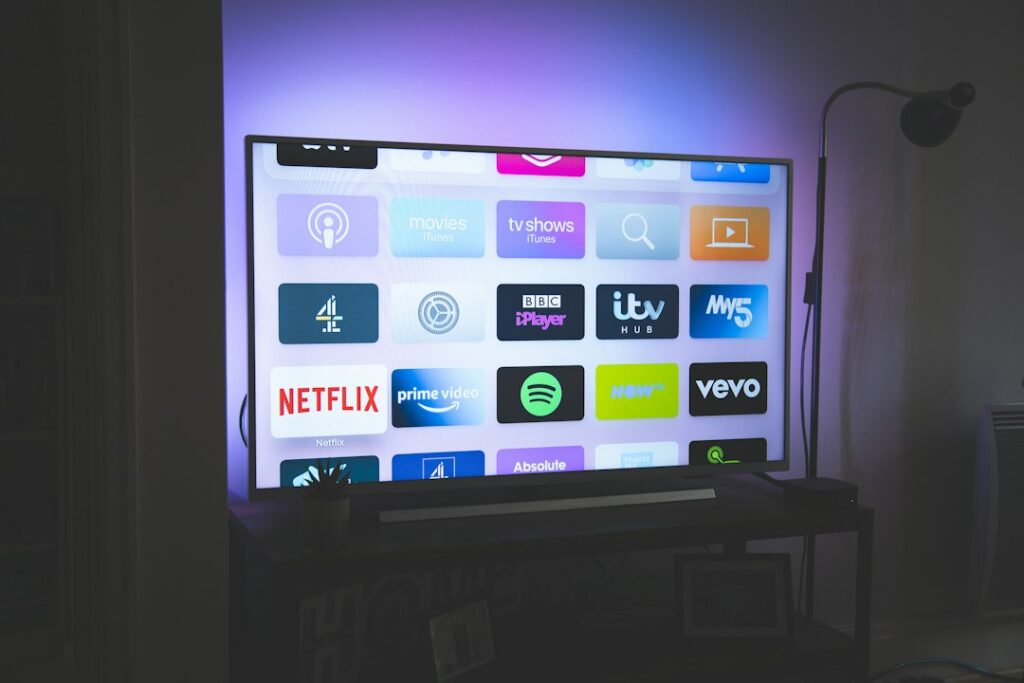
Hardware choices range from small HDMI sticks tucked behind the television to powerful set-top boxes with dedicated Ethernet ports. You need to weigh up app availability, processor speed, and video formats. Let’s look at how the main streaming devices stack up against each other.
Amazon Fire TV Stick and Fire TV Cube
Amazon’s hardware range dominates living rooms across the UK. The Fire TV Stick 4K and the more powerful Fire TV Cube run Fire OS, which is built on top of Android. This means they support most official streaming apps directly from the Amazon Appstore. You get robust 4K and HDR support, including Dolby Vision on higher-end models.
Performance is snappy on current-generation devices. Menus load quickly, and switching between live feeds and on-demand content rarely stutters. Wi-Fi performance is generally solid, though the Fire TV Cube includes a physical Ethernet port out of the box. Fire sticks require an adapter for wired internet. Remote controls feature integrated Alexa voice buttons, making searches simple. Parental controls are comprehensive, allowing you to lock app purchases and restrict content ratings easily.
Apple TV 4K
If you live inside the Apple ecosystem, the Apple TV 4K offers arguably the smoothest user experience available. It runs tvOS, giving you access to the App Store where many official broadcasting apps live. The hardware inside uses mobile-grade chips that tear through video decoding without breaking a sweat.
Picture quality and HDR handling are top-tier. You get both gigabit Ethernet and fast Wi-Fi on every modern unit. The Siri Remote is responsive, though some users find its touch surface overly sensitive. Privacy features on tvOS outpace most competitors. Storage is generous, starting at 64GB, which leaves plenty of room for caching live streams. Setup is effortless if you own an iPhone. You just hold it near the box to transfer your Wi-Fi credentials and Apple ID.
Google TV Streamer and Chromecast Devices
Google TV has largely replaced older Chromecast hardware, offering a proper interface with a remote control. It runs official Android TV, meaning compatibility with official legal IPTV UK apps is very high. You can download major broadcaster apps straight from the Google Play Store.
Performance varies depending on the specific model tier. The newest Google TV Streamer handles heavy multitasking smoothly. Storage and memory are adequate for most users. You get robust voice control via Google Assistant built into the remote. Ethernet ports are included on dedicated set-top boxes, while cheaper dongles rely entirely on Wi-Fi. Parental controls use Google Family Link, giving you remote management capabilities from your phone.
Roku Streaming Players
Roku devices run the Roku OS platform. They are famous for a neutral, ad-supported interface that doesn’t push one streaming service over another. App availability through the Roku Channel Store is massive for standard catch-up services, but specialized or niche streaming applications might have limited support compared to Android-based competitors.
Performance on Roku sticks is dependable for standard HD and 4K streaming. However, advanced video codecs or complex app layouts can occasionally stretch the lower-end processors. Remotes are simple and uncluttered. Most models rely on Wi-Fi connectivity, with wired connections restricted to higher-end ultra units. Setup takes minutes, and parental control PINs protect mature content across all installed channels.
Smart TVs: Samsung and LG
Built-in smart TV platforms mean you don’t need a separate streaming box. Samsung uses Tizen OS, while LG relies on webOS. Both operating systems host official apps from major UK broadcasters. The main advantage is simplicity. You use a single remote and eliminate extra clutter.
Performance depends on the processor inside your specific television model. High-end panels feature powerful chips that navigate menus instantly, while budget models can feel sluggish. Wi-Fi modules are built in, and both brands include physical Ethernet ports. Voice control works via Bixby or Alexa on Samsung, and ThinQ AI on LG. Setup happens during your initial television configuration. Parental controls let you restrict specific apps or broadcast channels with a PIN code.
Smartphones, Tablets, and Mobile Casting
Phones and tablets running iOS or Android act as portable screens for your entertainment. You can install official broadcaster apps directly from the Apple App Store or Google Play. Many users cast these streams to larger televisions using AirPlay or Google Cast.
Processing power on modern phones is exceptional, outperforming many dedicated streaming boxes. App availability is unmatched. However, mobile devices lack Ethernet ports and rely completely on Wi-Fi or mobile data. Remote control doesn’t apply here, as you use touchscreen gestures. Privacy settings on mobile operating systems give you granular control over app permissions. Setup involves logging into your app store account and downloading the software you need.
Hardware Feature Comparison
| Device Family | Operating System | Ethernet Support | 4K/HDR Support | Setup Ease |
|---|---|---|---|---|
| Amazon Fire TV | Fire OS (Android) | Adapter required (Cube has built-in) | Yes (Most models) | Very Easy |
| Apple TV 4K | tvOS | Built-in (Gigabit) | Yes (Dolby Vision/HDR10+) | Effortless (with iPhone) |
| Google TV | Android TV | Model dependent | Yes | Very Easy |
| Roku Players | Roku OS | Model dependent (Ultra only) | Yes | Simple |
| Samsung / LG TVs | Tizen / webOS | Built-in | Yes (On supported panels) | Integrated |
| Phones & Tablets | iOS / Android | No (Wireless only) | Yes (Screen dependent) | Straightforward |
Pros and Cons of Dedicated Streaming Hardware
Using a dedicated box like an Apple TV or Fire Cube isolates your streaming apps from your television’s native operating system. This often results in faster updates and longer software support lifecycles. Smart TV interfaces can slow down after a few years as manufacturers drop support for older chips. Dedicated boxes are also easy to replace if processing standards change.
On the downside, external hardware requires an extra HDMI port, a separate power socket, and another remote control to manage. If you want to keep your living room wire-free, a smart TV running native apps is cleaner. If you want maximum performance and guaranteed app compatibility for legal IPTV UK services, a dedicated media player usually wins.
Step-by-Step Setup Guide
Getting your chosen device running takes just a few moments if you follow a logical sequence. How to set up legal IPTV on Firestick in the UK covers foundational platform configuration if you chose Amazon hardware. For general setups, use these steps:
- Plug your streaming device into a spare HDMI port on your television or AV receiver.
- Connect the power cable to a wall socket using the supplied mains adapter.
- Switch your television input source to match the correct HDMI port.
- Follow the on-screen prompts to connect your device to your home Wi-Fi network or plug in an Ethernet cable.
- Sign in to your device account, such as your Amazon, Google, or Apple ID.
- Open the built-in app store, search for your provider’s official streaming application, and download it.
- Log in using your official subscriber credentials provided by your licensed service operator.
Always verify app compatibility before purchasing hardware. Subscription services update their software requirements regularly, and older boxes occasionally lose support for new security protocols.
For more information, iptv.
Related reading
- Spotting IPTV Scams: How to Buy Legal Sports IPTV UK Safely
- How to Fix UK IPTV Audio Delay on Firestick and Smart TVs
Update: Comparing Firestick and Smart TV Apps for Legal IPTV Setup and Troubleshooting
Update: How to Stream Live UK Football Legally Using Official Apps and Services
- Short Direct Answer
- How Internet Television Works on Modern UK Hardware
- Comparing Popular Streaming Hardware Options
- Performance Factors: Processing Power and Storage
- Connectivity: Wi-Fi Standards and Wired Ethernet
- Remote Controls, Voice Assistants, and Usability
- Setup, Security, and Parental Controls
- Pros and Cons of Certified Streaming Hardware
- Setup Guidance and Compatibility Notes
- Frequently Asked Questions
- Can I use my old television with these devices?
- Do I need a TV licence to watch live streaming apps in the UK?
- Why does my live stream buffer during peak evening hours?
- Are generic Android boxes legal to use?
- How do I update my streaming device software?
- Can I travel with my streaming stick within the UK?
- What internet speed do I need for smooth streaming?
Finding reliable legal IPTV devices UK households can depend on starts with understanding how modern television delivery works. Television signals travel straight through your broadband connection rather than traditional aerials or satellite dishes. This technology powers everything from BBC iPlayer to specialized sports streaming apps. You need the right box or stick plugged into your television to run these applications smoothly.

Hardware choices matter immensely. A sluggish processor leads to frustrating freezes during live broadcasts. Poor Wi-Fi chips cause endless buffering wheels. Buying dedicated streaming equipment ensures your television responds instantly and displays high-definition feeds without hiccups.
Short Direct Answer
Legal IPTV devices in the UK are certified streaming hardware—such as Amazon Fire TV Sticks, Google TV streamers, and Apple TVs—that run officially licensed broadcasting apps from the official app stores to deliver television over the internet securely and reliably.
How Internet Television Works on Modern UK Hardware
Broadband networks handle data packets constantly. When you open a licensed streaming application, it requests live video streams from official servers. Your hardware decodes these packets into moving pictures and sound on your screen.
IPTV is simply the delivery method. Legality depends entirely on who owns the broadcast rights. Licensed providers pay millions for official distribution permissions. Using authorized hardware guarantees access to legitimate services regulated by Ofcom standards.
Many viewers transition away from traditional cable because internet-based delivery offers flexibility. You can move compact streaming sticks between rooms or take them on holiday. Still, your home internet speed dictates your overall experience. Most UK providers recommend at least 15 Mbps for stable high-definition feeds and 30 Mbps for 4K broadcasts.
Comparing Popular Streaming Hardware Options
Different operating systems change how you interact with your television. Amazon Fire TV runs on a customized Android base. Google TV offers a clean interface focused on content recommendations. Apple TV relies on tvOS, providing a private environment for iOS users.
App availability varies significantly between platforms. Mainstream broadcasters support almost every major ecosystem. However, niche official providers might build apps for Android TV before developing versions for smaller platforms. Always check official app stores before making a purchase.
Let’s look at how the top hardware choices stack up across key performance indicators.
| Device | Operating System | 4K / HDR Support | Ethernet Option | Typical UK Price |
|---|---|---|---|---|
| Amazon Fire TV Stick 4K | Fire OS (Android) | Yes (Dolby Vision, HDR10+) | Requires adapter | £60 |
| Google TV Streamer | Google TV | Yes (Dolby Vision, HDR10) | Built-in port | £99 |
| Apple TV 4K | tvOS | Yes (Dolby Vision, HDR10+) | Built-in port (top tier) | £149 |
| Roku Streaming Stick 4K | Roku OS | Yes (Dolby Vision, HDR10+) | Not available | £50 |
If you want to explore more economical hardware choices, you can read our guide on budget streaming hardware options for everyday viewing.
Performance Factors: Processing Power and Storage
Cheap hardware often frustrates users within months. Low random access memory causes apps to crash when switching channels rapidly. Storage space dictates how many applications you can install simultaneously.
High-end boxes like the Apple TV 4K pack powerful processors. Menus glide past instantly. Live sports feeds load in seconds. Cheaper sticks handle basic streaming fine, but they struggle if you hoard dozens of apps.
Storage capacity ranges from 8GB on budget sticks up to 128GB on premium Apple models. If you only watch live television, 8GB is plenty. Gamers or heavy app users should invest in expanded local storage.
Connectivity: Wi-Fi Standards and Wired Ethernet
Wireless signals degrade through thick walls. Modern Wi-Fi 6 routers improve wireless streaming dramatically. Yet, nothing beats a physical copper cable for live sports broadcasts.
Some devices include built-in Ethernet ports. Others require separate network adapters. If your router sits far away from your television, a robust Wi-Fi mesh network keeps your legal IPTV devices UK setup running without sudden drops in resolution.
Remote Controls, Voice Assistants, and Usability
You use the remote control daily. Button layout matters. Backlit remotes help during dark movie nights.
Voice control integration lets you search across apps effortlessly. Amazon uses Alexa. Google relies on its own Assistant. Apple integrates Siri. Pressing a button and speaking a channel name saves endless typing on onscreen keyboards.
Setup, Security, and Parental Controls
Unboxing modern streaming gear takes minutes. Plug the hardware into an HDMI port. Connect power. Follow the onscreen prompts to log into your Wi-Fi and user accounts.
Parental controls protect younger family members from adult content. Official platforms let you lock applications behind PIN codes easily. Security updates arrive automatically on certified hardware, keeping your home network safe from vulnerabilities.
Pros and Cons of Certified Streaming Hardware
Every platform compromises somewhere. Weighing these points helps you pick wisely.
- Pros: Full access to official app stores, regular security patches, high-res 4K HDR playback, reliable customer support, and standard UK warranties.
- Cons: Higher upfront cost than unverified generic boxes, occasional interface ads on budget sticks, and restrictive ecosystems on proprietary hardware.
Setup Guidance and Compatibility Notes
Always download applications directly from official stores. Do not sideload unknown software files found on forums. Ensure your television’s HDMI port supports HDCP 2.2 if you want to watch 4K content.
Remember that no single box runs every proprietary app universally. Check provider compatibility lists before committing your money.
Frequently Asked Questions
Can I use my old television with these devices?
Yes. Most modern streaming sticks plug into standard HDMI ports. If your television lacks HDMI, you’ll need an active HDMI-to-AV converter box.
Do I need a TV licence to watch live streaming apps in the UK?
Yes. Any live television broadcast viewed online via services like BBC iPlayer requires a valid UK TV licence.
Why does my live stream buffer during peak evening hours?
Local internet congestion causes slowdowns. Upgrading your broadband package or switching to a wired Ethernet connection usually fixes this issue.
Are generic Android boxes legal to use?
The hardware itself is legal. However, unbranded boxes preloaded with modified software often violate copyright laws. Stick to certified brands.
How do I update my streaming device software?
Go to your device settings menu, locate the system update tab, and check for available downloads manually. Most devices update automatically overnight.
Can I travel with my streaming stick within the UK?
Yes. You can plug your portable streaming stick into any hotel or holiday home television with Wi-Fi access.
What internet speed do I need for smooth streaming?
Aim for at least 15 Mbps for HD streams and 30 Mbps for 4K sports broadcasts to avoid stuttering.
For more information, iptv.
Related reading
- Understanding How IPTV UK Services Handle Live Broadcasting Rights
- How to Check Legal Sports IPTV UK Packages Before Buying
Update: Spotting IPTV Scams: How to Buy Legal Sports IPTV UK Safely
Update: Legal IPTV UK Device Comparison Guide
- Navigating IPTV Hardware Choices in British Living Rooms
- Amazon Fire TV Stick and Fire TV Cube
- Apple TV 4K and Google TV Hardware
- Smart TV Platforms: Samsung and LG
- Comparing Technical Specifications
- Pros and Cons of Dedicated Streaming Boxes
- Setting Up Your Hardware for Optimal Performance
- Understanding Licensing and Legal Realities
- Frequently Asked Questions
- Can I use any IPTV app on an Apple TV?
- Do Fire TV Sticks support 4K streaming?
- Is an Ethernet connection necessary for live streaming?
- Why do some apps disappear from my Smart TV app store?
- Are IPTV services legal in the UK?
- How much storage do I need on a streaming device?
- Can I use voice control with legal streaming apps?
- Do these devices come with a UK warranty?
Navigating IPTV Hardware Choices in British Living Rooms
Getting your digital television setup right starts with the physical hardware sitting under your television. When shopping for IPTV devices UK options, you aren’t just picking a black box that plugs into the wall. You are choosing the operating system, the remote control layout, and the app ecosystem that will manage your daily viewing. Internet Protocol Television technology delivers live broadcasts and on-demand video packets directly through your broadband router, meaning your hardware needs enough processing power to decode these streams without stuttering. Whether you prefer the compact design of a streaming stick or the robust connectivity of a dedicated box, matching your hardware to official, licensed provider applications makes all the difference.

Amazon Fire TV Stick and Fire TV Cube
Amazon’s hardware range dominates living rooms across the country. The standard Fire TV Stick Lite, regular 4K, and high-end Fire TV Cube run on Fire OS, a heavily modified fork of Android. This means sideloading is restricted, but the official Amazon Appstore hosts major legal broadcast apps like BBC iPlayer, ITVX, Channel 4, and My5. Performance varies noticeably across the lineup. The basic sticks handle standard definition and basic HD fine, while the 4K Max models add Wi-Fi 6 support and faster processors. Voice control via Alexa works reliably for finding shows. Storage remains tight on cheaper models, though you can manage space by following guides like how to clean firestick cache.
Apple TV 4K and Google TV Hardware
Apple TV 4K offers a premium user experience with zero intrusive advertising on its home screen. tvOS runs exceptionally fast, powered by robust mobile processors that handle heavy video decoding effortlessly. Ethernet ports come built into the higher-tier storage models, giving you a rock-solid wired connection for buffer-free live streams. Meanwhile, Google TV hardware, including the Google TV Streamer and Chromecast devices, brings a clean interface heavily integrated with your Google account. Voice search pulls results across dozens of official apps simultaneously. Both ecosystems prioritise privacy and secure app sandboxing, ensuring your personal data stays protected while you watch.
Smart TV Platforms: Samsung and LG
Many households skip external boxes entirely and use the built-in operating systems on modern televisions. Samsung relies on Tizen OS, while LG uses webOS. Both platforms support official catch-up and subscription apps natively. However, app availability for smaller or niche legal streaming providers can be limited compared to Android-based competitors. Processing power inside televisions also tends to lag behind dedicated streaming media players, which can lead to sluggish menu navigation. If you notice your TV struggling with heavy video feeds, checking for storage bloat or reading up on smart TV IPTV setup mistakes UK households keep making can help you avoid common performance bottlenecks.
Comparing Technical Specifications
Hardware capabilities dictate your viewing experience. Here is a breakdown of how popular platforms stack up against each other:
| Device Family | Operating System | 4K / HDR Support | Wired Ethernet | Storage Capacity |
|---|---|---|---|---|
| Amazon Fire TV 4K Max | Fire OS (Android) | Yes (Dolby Vision, HDR10+) | Optional adapter | 16 GB |
| Apple TV 4K | tvOS | Yes (Dolby Vision, HDR10+) | Yes (128GB model only) | 64 GB / 128 GB |
| Google TV Streamer | Android TV | Yes (Dolby Vision, HDR10+) | Yes | 32 GB |
| Samsung Tizen TV | Tizen | Yes (HDR10+) | Yes | Varies by model |
Pros and Cons of Dedicated Streaming Boxes
Dedicated boxes offer distinct advantages over built-in television apps. They usually receive software updates for longer periods, and replacing a faulty streaming stick costs a fraction of buying a new television. Performance is snappier, and remote controls feel more responsive. On the downside, adding another device to your setup means dealing with extra power cables and HDMI ports. You also have to juggle multiple remotes unless you program HDMI-CEC to control everything through a single handset.
Setting Up Your Hardware for Optimal Performance
Unboxing your new device is only the first step. Plug your streaming player directly into a spare HDMI port on your television or soundbar. Connect to your home Wi-Fi network using the 5GHz band for faster data rates, or plug an Ethernet cable straight into your router if available. Log into your primary app store account using your credentials. Download only the official applications provided by your licensed service provider. Avoid downloading unverified APK files or modified software from random web sources. Once installed, log in with your official account details and test a live broadcast stream to confirm audio and video sync properly.
Understanding Licensing and Legal Realities
Internet television technology itself is completely legal. Broadcasters, traditional television networks, and digital subscription platforms use it every day to beam content to homes across the UK. Legality depends entirely on who owns the broadcast rights and whether your provider holds a valid licence to distribute those channels. Ofcom regulates broadcasting standards in the UK, while intellectual property laws protect copyrighted material. Always verify that your chosen provider operates legally. You can learn more about checking provider credentials by reading how to verify licensing for legal sports IPTV UK providers before signing up for any long-term digital package.
Frequently Asked Questions
Can I use any IPTV app on an Apple TV?
No. Apple TV only supports applications officially approved and listed on the tvOS App Store. Check the app store before buying hardware.
Do Fire TV Sticks support 4K streaming?
Selected models do. The standard Fire TV Stick Lite and regular HD models max out at 1080p, while the Fire TV 4K and 4K Max handle ultra-high definition.
Is an Ethernet connection necessary for live streaming?
It isn’t mandatory, but a wired Ethernet connection provides a more stable data transfer rate than Wi-Fi, reducing potential stream drops.
Why do some apps disappear from my Smart TV app store?
Manufacturers periodically drop software support for older television models, meaning newer app versions might no longer install on legacy hardware.
Are IPTV services legal in the UK?
Yes, provided the service provider holds the correct legal distribution rights and broadcasting licenses for the channels they offer.
How much storage do I need on a streaming device?
A minimum of 8GB to 16GB is recommended if you plan to install multiple media applications and catch-up players alongside your primary viewing apps.
Can I use voice control with legal streaming apps?
Most modern devices support voice commands through built-in assistants like Alexa, Siri, or Google Assistant, depending on your hardware platform.
Do these devices come with a UK warranty?
Hardware purchased officially through UK high street retailers or authorised online stores includes standard consumer statutory warranty protections.
For more information, iptv.
Related reading
- Evaluating Legal Sports IPTV UK Packages for Live Football
- Resolving IPTV Login Errors on UK Smart TVs and Firestick
Update: How to Fix UK IPTV Buffering and Freezing on Firestick
Update: How to Check Legal Sports IPTV UK Packages Before Buying
- Choosing the Right Hardware for Legal IPTV Streaming
- Platform Comparison: Operating Systems and App Stores
- Hardware Specifications Breakdown
- Connectivity, Storage, and Performance
- Pros and Cons of Top Hardware Choices
- Setting Up Your Hardware for UK Broadcasting
- Frequently Asked Questions
- Do I need a TV licence to watch legal IPTV in the UK?
- Can I use one subscription across multiple devices?
- Why does my live stream stutter during peak evening hours?
- Are smart TV built-in apps better than external streaming boxes?
- How do I know if an app is officially licensed?
- Do all streaming sticks support 4K HDR playback?
- What is the easiest device for elderly family members to use?
Choosing the Right Hardware for Legal IPTV Streaming
Internet Protocol television delivers live channels and on-demand video over your home broadband connection rather than through an aerial or a satellite dish. If you are setting up official, licensed streaming services on your living room screen, the hardware you choose dictates everything from interface speed to app availability. Finding suitable IPTV devices UK users rely on means looking closely at operating systems, remote layout, and overall performance.

Not all streaming boxes handle digital feeds the same way. A budget stick might struggle with high-bitrate live feeds, while a premium box handles heavy workloads effortlessly. Let us look at what makes each major platform tick.
Platform Comparison: Operating Systems and App Stores
Your hardware’s underlying software decides which applications you can install. Amazon Fire TV devices run a heavily modified version of Android, granting access to a massive app store full of official broadcaster apps and media players. Google TV and Android TV offer an even cleaner storefront experience with deep integration for Google Assistant. Apple TV uses tvOS, delivering a smooth, ad-light environment, though you must rely on Apple’s curated App Store. Meanwhile, Roku relies on its own proprietary OS, which limits sideloading entirely but guarantees stability for officially supported UK catch-up apps.
Smart TVs from brands like Samsung and LG run Tizen and webOS respectively. These integrated platforms save you from plugging in external boxes, but their app ecosystems update less frequently than dedicated media streamers. If your television feels sluggish, you might need to speed up slow IPTV apps on your smart tv by clearing system caches or disabling background tasks.
Hardware Specifications Breakdown
| Device | OS | 4K/HDR Support | Connectivity |
|---|---|---|---|
| Amazon Fire TV Cube | Fire OS (Android) | Dolby Vision, HDR10+ | Wi-Fi 6E, Ethernet Port |
| Apple TV 4K | tvOS | Dolby Vision, HDR10+ | Wi-Fi 6, Gigabit Ethernet |
| Google TV Streamer | Android TV | Dolby Vision, HDR10 | Wi-Fi 5, Ethernet Port |
| Amazon Fire TV Stick 4K | Fire OS (Android) | Dolby Vision, HDR10+ | Wi-Fi 6 (Ethernet via adapter) |
Connectivity, Storage, and Performance
Streaming high-definition video requires stable bandwidth. Ethernet ports provide the most reliable connection, eliminating wireless interference entirely. High-end boxes like the Apple TV 4K and Fire TV Cube include built-in Ethernet ports, whereas cheaper sticks require separate adapter accessories. Wireless standards also matter significantly. Wi-Fi 6 and Wi-Fi 6E routers handle multiple heavy streams much better than older generation networking hardware.
Internal storage dictates how many applications and cached electronic programme guides you can maintain. Entry-level hardware often ships with just 8GB of storage, which fills up fast once you install a few media players and catch-up apps. Premium devices offer 16GB to 64GB, giving your operating system room to breathe.
Pros and Cons of Top Hardware Choices
Amazon Fire devices provide unbeatable value and wide compatibility with legitimate media portals, but their interfaces feature prominent promotional banners. Apple TV delivers a pristine, ad-free experience paired with unmatched processing power, though hardware costs run considerably higher than typical streaming sticks. Android TV boxes strike a balance, offering versatile app sideloading capabilities and robust Google Assistant voice controls, though hardware quality varies wildly between budget manufacturers.
Setting Up Your Hardware for UK Broadcasting
Getting started involves plugging your chosen device into an available HDMI port on your television and connecting to your home Wi-Fi network. Sign in with your manufacturer account to access the official app store. Search for your licensed provider’s official application. Never assume that every app works identically across all available IPTV devices UK households use. Check your provider’s official documentation to confirm full compatibility before committing to a long-term subscription.
Frequently Asked Questions
Do I need a TV licence to watch legal IPTV in the UK?
Yes, if you watch live television broadcasts on any channel or use BBC iPlayer, current UK regulations require a valid TV licence regardless of whether you receive broadcasts via an aerial, satellite dish, or internet streaming.
Can I use one subscription across multiple devices?
This depends entirely on your licensed service provider’s account terms. Some legal streaming subscriptions permit multi-screen viewing, while others restrict usage to a single active stream at any given time.
Why does my live stream stutter during peak evening hours?
Network congestion on your local broadband loop often causes temporary speed drops. Switching from Wi-Fi to a wired Ethernet connection usually resolves these bandwidth bottlenecks.
Are smart TV built-in apps better than external streaming boxes?
External boxes generally receive software updates for longer periods and offer faster processors than most built-in television operating systems.
How do I know if an app is officially licensed?
Official applications are downloaded directly from authorized storefronts like the Google Play Store, Amazon Appstore, or Apple App Store, and are published by recognized broadcasting companies.
Do all streaming sticks support 4K HDR playback?
No. Budget streaming sticks often max out at 1080p Full HD resolution. You must specifically purchase 4K-certified hardware to enjoy ultra-high-definition broadcasts.
What is the easiest device for elderly family members to use?
Roku devices and Apple TVs offer straightforward, uncluttered home screens that minimize confusion and make navigating live channels simple.
For more information, iptv.
Related reading
- Legal Sports IPTV UK: Checking Channel Lineups Before You Buy
- Firestick IPTV Connection Guide: Troubleshooting Network Errors in the UK
Update: How to Fix Firestick Audio Delay on UK IPTV Channels
Update: Legal Sports IPTV UK: Evaluating Licensed Channel Packages
- Direct Answer: What Matters Most in an IPTV Device?
- Operating System and Official App Stores
- Hardware Performance, Storage, and Connectivity
- UK Streaming Device Comparison Table
- Pros and Cons of Dedicated Streaming Boxes vs Smart TVs
- Legal Compliance and Official Services in the UK
- Frequently Asked Questions
- Can I use any IPTV device with any service?
- Is an Ethernet cable necessary?
- Do Smart TVs need an extra streaming box?
- Are monthly subscriptions better than yearly ones?
- What makes a remote control good for streaming?
- How do I keep my apps updated?
- Does 4K support matter for IPTV?
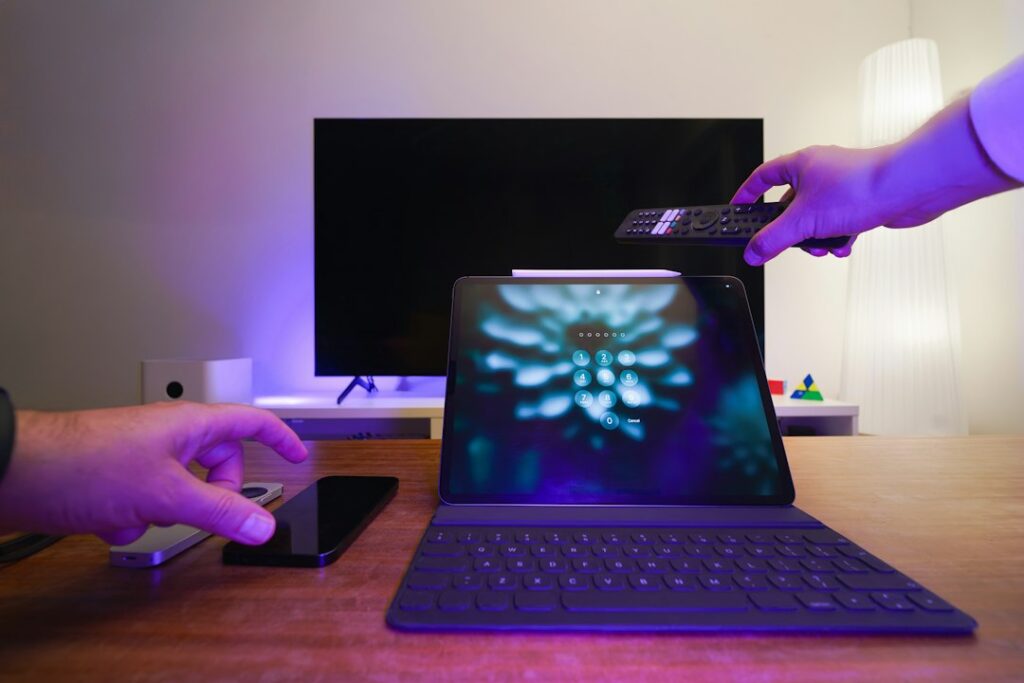
Picking a new IPTV device for your living room isn’t as simple as grabbing the cheapest option on Amazon. You need to check app availability, operating systems, and connection options first because hardware limitations will ruin your viewing experience fast. IPTV simply delivers television channels and video content over your internet connection, but the actual performance relies heavily on the streaming box or smart TV you choose. Let’s break down exactly what you need to check before buying.
Direct Answer: What Matters Most in an IPTV Device?
You must check that the hardware runs a modern operating system with official app store access, stable Wi-Fi or Ethernet connectivity, and sufficient storage for caching live streams. Avoid guessing compatibility; always verify that your chosen platform supports the official apps you actually want to use.
Operating System and Official App Stores
The software running your hardware dictates everything. Amazon Fire TV devices use Fire OS, while Google TV and Android TV power boxes like Chromecast and Nvidia Shield. Apple TV relies on tvOS, and major manufacturers like Samsung and LG use their own proprietary operating systems.
Never assume an IPTV device supports every app out there. You should check the provider’s official app requirements, browse the device’s built-in app store, and look up current compatibility information before purchasing. If an app isn’t listed natively, sideloading unknown APK files often leads to stability issues and security risks.
Hardware Performance, Storage, and Connectivity
Cheap hardware stutters during fast-moving sports broadcasts. Look for at least 2GB of RAM and adequate internal storage so apps don’t crash when caching live feeds. If you want to avoid buffering entirely, hardwiring your setup with an Ethernet cable beats Wi-Fi every single time. When you rely on wireless, ensure the hardware supports modern dual-band or Wi-Fi 6 routers to maintain a solid connection.
For high-definition viewing, 4K and HDR support are essential if your television can handle them. A sluggish processor will make navigating menus frustrating, so check reviews for real-world speed tests rather than relying on marketing specs alone.
UK Streaming Device Comparison Table
| Device | OS | Ethernet Support | 4K / HDR |
|---|---|---|---|
| Amazon Fire TV Cube | Fire OS | Yes (Built-in) | Yes |
| Google TV Streamer | Google TV | Yes (Built-in) | Yes |
| Apple TV 4K | tvOS | Yes (Top model) | Yes |
| Standard Fire TV Stick | Fire OS | Requires adapter | Varies by model |
Pros and Cons of Dedicated Streaming Boxes vs Smart TVs
Choosing between an external box and your built-in television software changes your long-term experience. Dedicated units usually receive software updates for longer periods, whereas manufacturer interfaces on smart TVs can slow down after a couple of years.
Pros of dedicated hardware: Faster processors, frequent security patches, easy portability, and better remote controls. If your remote starts draining power too quickly, you can easily troubleshoot it, whereas a broken smart TV button leaves you buying an entirely new remote.
Cons of dedicated hardware: Another remote to lose down the sofa, an extra plug socket needed, and potential HDMI port clutter behind your television.
Legal Compliance and Official Services in the UK
The technology itself is completely legal, but what you stream matters immensely. Ofcom and UK copyright laws protect broadcast rights strictly. You must only use officially licensed streaming services and legitimate apps obtained through official channels like the Google Play Store, Amazon Appstore, or Apple App Store.
Avoid any service offering unauthorised sports streams, pirated M3U playlists, or hacked applications. Using rogue services risks your personal data and violates UK broadcasting regulations.
Frequently Asked Questions
Can I use any IPTV device with any service?
No. App availability depends entirely on the operating system and the provider supporting that specific platform.
Is an Ethernet cable necessary?
Wi-Fi works fine for casual viewing, but a wired connection stops sudden dropouts during live broadcasts.
Do Smart TVs need an extra streaming box?
Not always, but external boxes typically offer better performance and longer software support than built-in TV software.
Are monthly subscriptions better than yearly ones?
That depends on your provider commitment, though monthly options give you more flexibility if service quality drops. Read more about choosing your payment terms before signing up.
What makes a remote control good for streaming?
Look for responsive buttons, reliable Bluetooth connectivity, and voice control features that make searching easier.
How do I keep my apps updated?
Enable automatic updates in your device settings or check the app store manually on a weekly basis.
Does 4K support matter for IPTV?
It matters only if your subscription actually broadcasts in 4K and your television screen supports the resolution.
For more information, iptv.
Learn more on Wikipedia: IoT device.
Related reading
- Legal Sports IPTV UK: Comparing Licensed Football Streaming Options
- How to Fix IPTV Audio Out of Sync on Firestick and Smart TVs
Update: 5 Things to Check Before Buying Legal Sports IPTV UK Services
- Myth: Every room needs the exact same hardware for multi-room IPTV
- Fact: Wi-Fi congestion ruins multi-room setups
- Comparing the Contenders
- Amazon Fire TV Cube and Stick Range
- Apple TV 4K
- Setting Up Multi-Room Streaming Properly
- Legal Advice for UK Viewers
- Frequently Asked Questions
- Can I use one subscription on multiple TVs?
- Do I need a TV licence for IPTV?
- Why does my stream lag in the back bedroom?
- Can I control my devices with my voice?
- Are Smart TV built-in apps good for multi-room?
- What storage size do I need?
- Does Apple TV support every IPTV app?
Myth: Every room needs the exact same hardware for multi-room IPTV
Many UK households assume buying five identical boxes solves all whole-home streaming problems. That approach usually wastes money. Different rooms have different demands. Your living room main display handles heavy 4K HDR feeds and surround sound. A kitchen screen or spare bedroom TV might only need basic 1080p playback. Matching the hardware to the specific room matters more than uniform purchasing.
Choosing the best IPTV subscription for UK families often depends on how many simultaneous streams your provider allows. Hardware choices must align with those subscription limits. An Apple TV 4K suits the main lounge. An Amazon Fire TV Stick Lite handles a bedroom casual watch setup without fuss. Stop buying overpowered gear for secondary screens.
Fact: Wi-Fi congestion ruins multi-room setups
Running three or four legal streaming feeds across wireless networks simultaneously creates severe bottlenecks. Your router drops packets. Buffering ruins your evening viewing. Standard UK broadband routers supplied by Sky or Virgin Media often struggle with multiple active video streams.
Hardwiring your streaming boxes via Ethernet cables fixes this issue completely. If running cables through walls proves impossible, powerline adapters offer a reliable alternative. Investing in mesh Wi-Fi systems also helps maintain stable speeds across multiple floors.
Comparing the Contenders
Selecting the right hardware requires looking at raw specifications. Here is how popular UK options stack up for multi-room deployment.
| Device | OS | 4K/HDR | Ethernet | Est. Price (GBP) |
|---|---|---|---|---|
| Amazon Fire TV Cube | Fire OS | Yes (Dolby Vision) | Yes (Adapter needed for older) | £110 – £140 |
| Apple TV 4K | tvOS | Yes | Yes (Wi-Fi + Ethernet model) | £149 – £169 |
| Chromecast with Google TV | Google TV | Yes | Optional adapter | £50 – £60 |
| NVIDIA Shield TV | Android TV | Yes | Yes | £150 – £190 |
Amazon Fire TV Cube and Stick Range
Pros: Cheap entry point, widespread app support, Alexa voice control.
Cons: Heavy interface ads, limited onboard storage on cheaper sticks.
Apple TV 4K
Pros: Blazing fast performance, zero ads, premium build quality, excellent privacy controls.
Cons: High initial purchase price, proprietary ecosystem.
Setting Up Multi-Room Streaming Properly
Plug your chosen device into the HDMI port of your television. Connect power. Follow the on-screen prompts to log into your account using your remote control. Download official apps directly from the built-in app store. Never download modified APK files from unknown websites.
Compatibility varies wildly between platforms. Always check your chosen provider’s official app store listing before buying hardware. No single box runs every custom client out of the box.
Legal Advice for UK Viewers
IPTV simply means television delivered via internet protocols. Watching catch-up TV on BBC iPlayer or live streams through official Sky Go apps uses IPTV technology. Legality depends entirely on whether the distributor holds valid broadcasting licenses for the UK market. Unauthorised streams or cracked playlists break copyright law. Stick to officially licensed providers.
Frequently Asked Questions
Can I use one subscription on multiple TVs?
Yes, if your provider permits multiple simultaneous connections. Check your plan details carefully.
Do I need a TV licence for IPTV?
You need a valid UK TV Licence if you watch live broadcasts on any channel or use BBC iPlayer on any device.
Why does my stream lag in the back bedroom?
Weak Wi-Fi signal strength usually causes this. Move your router closer or use a mesh network node.
Can I control my devices with my voice?
Most modern boxes include microphones in their remotes for voice search capabilities.
Are Smart TV built-in apps good for multi-room?
Samsung and LG systems work fine for casual viewing, but dedicated external boxes offer better long-term software updates.
What storage size do I need?
Look for at least 8GB to 16GB if you plan on caching live streams or downloading extra apps.
Does Apple TV support every IPTV app?
Apple enforces strict app store rules. Check availability on the App Store before purchasing.
For more information, iptv.
Related reading
- Legal Sports IPTV UK: What to Check Before You Subscribe
- How to Fix Common Login and Playlist Errors on UK Smart TV IPTV Apps
Update: How to Fix IPTV Audio Out of Sync on Firestick and Smart TVs
Update: Legal Sports IPTV UK: Comparing Licensed Football Streaming Options
- Operating System and App Availability
- Performance, Storage, and Hardware
- Wi-Fi, Ethernet, and Connectivity
- Comparison Table
- Pros and Cons
- Setup Guidance and Legal Advice
- Frequently Asked Questions
- Do all smart TVs support every IPTV app?
- Is a wired Ethernet connection necessary?
- Can I use one remote for everything?
- Why do smart TV menus feel slow?
- Are external media players difficult to install?
- Does every device support 4K resolution?
- How do parental controls work?
Using a dedicated streaming stick often changes how your household watches live television over the internet. Many UK viewers plug a compact HDMI dongle into the back of their television and immediately notice a smoother interface than their built-in TV software. Choosing the right hardware for your setup matters because older displays struggle with modern video codecs and fast menu navigation.

Operating System and App Availability
Your television’s native platform dictates which software you can install. Samsung relies on Tizen, while LG uses webOS. Both platforms host official apps from major UK broadcasters like BBC iPlayer and ITVX, but their app stores have limited selections for third-party tools. If your provider supplies an official application, check the manufacturer store first. Many smart displays simply lack the flexibility found on Android TV or Amazon Fire TV operating systems.
Performance, Storage, and Hardware
Built-in processors inside most flat-screen televisions are notoriously underpowered. Manufacturers usually spend their budget on panels rather than internal memory or fast chipsets. A separate media player usually packs more RAM and dedicated storage, meaning your electronic programme guide loads faster and scrolls without stuttering. You can read more about setting up your TV guide via Smart TV IPTV EPG Setup: Getting UK TV Guides Working Properly to see how performance impacts everyday viewing.
Wi-Fi, Ethernet, and Connectivity
Stable internet connectivity keeps your live streams running without annoying interruptions. While modern smart sets feature decent wireless cards, they rarely come with built-in Ethernet ports unless you buy a high-end model. Many portable media players offer Ethernet adapters or dedicated dongles for wired connections. A wired connection completely removes local wireless interference from microwave ovens or thick walls.
Comparison Table
- Amazon Fire TV Stick / Cube: Fire OS | Excellent 4K & HDR | Wi-Fi & optional Ethernet | Alexa voice control
- Samsung & LG Smart TVs: Tizen / webOS | Varies by model | Usually Wi-Fi only | Basic voice search
- Apple TV 4K: tvOS | Premium 4K & Dolby Vision | Gigabit Ethernet & Wi-Fi | Siri remote
- Google TV / Chromecast: Android TV | Strong 4K support | Wi-Fi (some Ethernet) | Google Assistant
Pros and Cons
Weighing up your options helps prevent buyer’s remorse.
- Smart TV App Pros: No extra remote required, fewer cables trailing down the wall, clean aesthetic.
- Smart TV App Cons: Sluggish processors, limited software updates over time, fewer customisation options.
- Streaming Stick Pros: Frequent updates, fast app loading times, easy to replace or upgrade cheaply.
- Streaming Stick Cons: Requires an extra HDMI port, another power plug, and a separate remote control.
Setup Guidance and Legal Advice
Setting up your hardware should take less than ten minutes. Plug the device into a spare HDMI socket, connect it to your mains power supply, and follow the on-screen prompts to join your home wireless network. Always download official applications directly from the verified app store. IPTV simply delivers television channels over internet protocols, but legality depends entirely on whether your service provider holds the proper broadcasting rights for the UK market.
Frequently Asked Questions
Do all smart TVs support every IPTV app?
No. App availability varies wildly between brands, operating systems, and even manufacturing years. Always check the official store on your specific screen.
Is a wired Ethernet connection necessary?
It isn’t strictly mandatory, but a wired link delivers much better stability for high-definition live broadcasts.
Can I use one remote for everything?
Most modern media players support HDMI-CEC, letting your television remote control the dongle’s basic interface functions.
Why do smart TV menus feel slow?
Television manufacturers typically install budget-friendly processors to keep retail prices competitive.
Are external media players difficult to install?
They require basic plug-and-play knowledge, connecting via standard HDMI and USB power cables.
Does every device support 4K resolution?
Entry-level models often max out at 1080p Full HD, so check the hardware specifications before purchasing.
How do parental controls work?
Most platforms let you set PIN codes to restrict mature content or unauthorized app downloads.
For more information, iptv.
Learn more on Wikipedia: Streaming stick.
Related reading
- NOW Sports vs TNT Sports App: Which Legal Streaming Option Suits UK Football Fans?
- How to Update IPTV Apps on UK Smart TVs and Firesticks
Update: How to Fix Common Login and Playlist Errors on UK Smart TV IPTV Apps
Update: Legal Sports IPTV UK: What to Check Before You Subscribe