- Before You Start Checklist
- Quick Answer: Which Hardware Wins for Stability?
- Step-by-Step Fixes for Samsung TV IPTV Apps
- Troubleshooting Firestick Streaming Errors
- Common Mistakes to Avoid
- When to Contact Your Provider
- Safety and Legal Notes
- Frequently Asked Questions
- Why does my stream buffer only during evening peak hours?
- Should I use Wi-Fi or an Ethernet cable?
- Can a full device memory cause freezing?
You sit down on the sofa, grab your remote, and press play on your favourite live broadcast, only for the picture to lock solid. Dealing with freezing streams on Samsung TV IPTV apps or an Amazon Firestick ruins your evening instantly. Every second counts when you are waiting for a weekend football match to resume. Different hardware handles broadband data in unique ways. Firesticks use portable Android-based software, while modern Samsung screens run the Tizen operating system. Each platform demands specific troubleshooting steps when things go wrong.

Before you start poking around your home network, run a quick baseline check. Grab your phone and see if regular web pages load fast on Wi-Fi. If your broadband crawls across all devices, your router or Internet Service Provider needs attention. If only your television suffers from constant stuttering, the bottleneck lives right inside your streaming hardware.
Before You Start Checklist
Tick off these basic items before changing advanced router settings:
- Your television or streaming stick has a working internet connection.
- You know your account username and password.
- The official app store on your device is accessible.
- You can reach your broadband router without moving heavy furniture.
Quick Answer: Which Hardware Wins for Stability?
External streaming sticks like the Firestick generally handle live broadcast data better than built-in television software. Firesticks feature dedicated processors built solely for media playback. Samsung televisions rely on internal chips that also power smart menus and picture processing. Still, both platforms suffer from occasional network hiccups.
Step-by-Step Fixes for Samsung TV IPTV Apps
Samsung sets use the Tizen operating system. If your live feed keeps dropping out, follow this sequence to clear the blockage.
- Press the home button on your Samsung remote and navigate to Apps.
- Select the settings gear icon in the top right corner.
- Find your streaming application in the list and choose Reinstall.
- Unplug your television from the wall socket for sixty seconds.
- Power the set back on and test your connection again.
Troubleshooting Firestick Streaming Errors
Amazon devices manage application cache differently. If your Firestick feed turns grey or stutters continuously, clear out temporary files. Go to Settings, choose Applications, and select Manage Installed Applications. Pick your streaming app, clear the cache, and restart the stick. Avoid clearing data unless you want to re-enter your login details from scratch.
Common Mistakes to Avoid
Panic leads to poor decisions. Do not perform a factory reset on your television until you try simpler fixes. Avoid downloading unverified files from random websites onto your Firestick. Never ignore app update prompts. Developers patch memory leaks regularly, so running old software guarantees ongoing playback crashes.
When to Contact Your Provider
Sometimes the issue sits outside your living room. If your broadband speed exceeds fifty megabits per second, your device storage is clear, and every other app works fine, the broadcast source might be struggling. Reach out to your subscription provider to check for server maintenance or regional outages.
Safety and Legal Notes
Always use official application stores supplied by your hardware manufacturer. Never attempt to bypass geographical restrictions or download hacked player software. Stick to legal channels approved by UK regulators like Ofcom.
Frequently Asked Questions
Why does my stream buffer only during evening peak hours?
Local broadband congestion slows down neighbourhood connections between seven and ten at night. Your ISP might manage traffic during these busy windows.
Should I use Wi-Fi or an Ethernet cable?
Wired Ethernet always wins for live television. Wi-Fi suffers from interference caused by walls, baby monitors, and thick plaster.
Can a full device memory cause freezing?
Yes. Low storage space stops apps from caching temporary video data smoothly.
For more information, iptv.
Related reading
- Understanding How IPTV UK Services Deliver Television Over Broadband
- Legal IPTV Devices UK Compared: Fire Stick, Apple TV and Android TV
How Internet Protocol Television Operates in British Homes
Traditional television signals travel through rooftop aerials or satellite dishes bolted to brickwork. IPTV UK technology discards these legacy methods entirely. Instead, television programmes and live streams arrive via your standard fibre-optic broadband line. Data packets containing video streams enter your router and reach your viewing device within milliseconds. This digital delivery method underpins many modern viewing setups across the country.

Understanding the basics of this technology helps clarify why your home internet speed matters so much. You can read more about the underlying mechanics in our guide on what is IPTV UK and understanding internet television technology.
To fully appreciate how this system functions within a typical British household, it helps to look at the transition from analogue broadcasting to packet-switched networks. In the past, terrestrial television relied on radio frequencies broadcast from massive masts like Crystal Palace or Emley Moor. Every household received the exact same broadcast simultaneously, regardless of whether anyone was watching. IPTV flips this model on its head by utilizing unicast and multicast protocols. When you select a programme on-demand, a dedicated unicast stream is established between the server and your living room. For popular live events, multicast protocols allow a single data stream to be efficiently replicated across network nodes only as needed, conserving vital bandwidth across the local exchange.
Understanding Bandwidth Requirements and Modern Compression
Delivering high-definition or ultra-high-definition video requires significant data transfer capabilities. Modern video codecs such as HEVC (H.265) and the newer AV1 format compress massive video files into manageable bitrates without sacrificing visual clarity. For a standard High Definition (1080p) stream, most households require a reliable download speed of at least 15 to 25 megabits per second (Mbps). If your household prefers 4K Ultra HD broadcasts paired with Dolby Atmos audio, that requirement comfortably climbs to 50 Mbps or higher, especially if multiple family members are streaming or gaming simultaneously.
Internet service providers across the UK, ranging from major national carriers like BT and Virgin Media to smaller alt-net providers rolling out full-fibre to the premises (FTTP), have had to upgrade their infrastructure significantly. Copper-based lines using older ADSL or standard fibre-to-the-cabinet (FTTC) architectures often struggle with attenuation over distance, leading to speed drops during peak hours when entire neighbourhoods log online. Full-fibre connections eliminate these bottlenecks, offering symmetrical or near-symmetrical speeds that keep video streams buttery smooth.
The Journey of a Digital Stream
Broadcasters encode live television feeds into compressed digital data. That data travels across internet backbone networks to your Internet Service Provider. From there, it moves through your home Wi-Fi or an Ethernet cable into your streaming player. Your hardware decodes the incoming packets and displays the moving picture on your screen.
Delays can happen if network traffic spikes. Most households need a stable connection capable of handling steady data throughput, especially during peak evening viewing hours. Ofcom regularly publishes reports on average broadband speeds across the UK, noting that full-fibre connections provide the most reliable foundation for heavy data demands.
Behind this journey lies a complex web of Content Delivery Networks (CDNs). Major broadcasters and streaming platforms store copies of their media assets on servers located physically close to UK internet exchanges, such as those in London or Manchester. This geographical proximity drastically reduces latency—the time it takes for a request to travel from your television to the content server and back. Without efficient CDN routing, watching a live football match or breaking news broadcast would suffer from intolerable delays and frequent stalling.
Choosing Your Hardware Setup
You don’t need a specialised television set to watch internet-delivered video. Most people use a compact plug-in streaming stick or a modern smart TV platform. Each option handles incoming data slightly differently.
- Dedicated streaming sticks plug directly into an HDMI port.
- Smart TV apps run using the built-in processor of your television.
- External set-top boxes often offer wired Ethernet ports for maximum stability.
If you are deciding between hardware types, take a look at our detailed breakdown comparing a Smart TV app vs streaming stick for IPTV to see which suits your living room best.
When selecting your hardware, consider the processing power and memory capacity of the device. Smart TVs, particularly budget-friendly models, often feature underpowered processors and limited internal storage. Over time, as streaming apps receive updates and add new features, these built-in interfaces can become sluggish and unresponsive. In contrast, dedicated external media players like Apple TV, Amazon Fire TV Cube, or Google TV Streamer feature robust dedicated chipsets designed explicitly for rapid decoding of high-bitrate video streams, ensuring a much smoother user interface experience.
Buffering, Latency, and Troubleshooting Home Networks
Even with a fast broadband package, home network configuration plays a massive role in your viewing quality. Wi-Fi interference remains public enemy number one for wireless video streaming. Thick brick walls, common in British homes, heavily attenuate 5GHz and 2.4GHz Wi-Fi signals. Furthermore, competing wireless networks from neighbouring properties on the same channels can cause packet loss, which manifests as sudden drops in video resolution or frustrating buffering wheels.
To mitigate these issues, savvy viewers often employ hardwired Ethernet connections wherever possible. Running a Cat6 cable from your router directly to your streaming box guarantees maximum throughput and near-zero packet loss. If running physical cables is impractical due to interior design constraints, investing in a modern mesh Wi-Fi system can dramatically improve wireless coverage and stability across multiple floors. Additionally, configuring Quality of Service (QoS) settings on your router allows you to prioritise streaming traffic over background downloads, ensuring your television viewing experience remains uninterrupted even when someone else in the house is downloading large files.
Navigating Legal and Regulatory Standards
Content distribution rights remain strictly regulated in the United Kingdom. Broadcasters must hold specific licences to transmit copyrighted material. The UK Intellectual Property Office oversees copyright laws, ensuring creators and broadcasters are properly protected.
When exploring an IPTV service UK, consumers should always verify that the platform operates with proper authorisation from rights holders. Official broadcasters deliver their content through licensed apps and official channels, ensuring compliance with UK broadcasting standards set out by Ofcom.
The rise of unauthorized, third-party streaming devices loaded with unofficial software packages has drawn intense scrutiny from trading standards, law enforcement agencies like the Police Intellectual Property Crime Unit (PIPCU), and major rights holders such as the Premier League and Sky. These illicit operations often advertise thousands of channels for a fraction of the cost of legitimate subscriptions, but they bypass legal frameworks, compromise consumer cybersecurity with potential malware risks, and frequently vanish without warning when servers are seized. Sticking to vetted, legal applications not only guarantees high-definition, reliable feeds with proper customer support and Electronic Programme Guides (EPG), but it also ensures full alignment with British telecommunications and copyright law.
For more information, iptv.
Learn more on Wikipedia: ITV (TV network).
Related reading
- Legal IPTV Devices UK Compared: Fire Stick, Apple TV and Android TV
- 6 Essential Factors When Buying Legal Sports IPTV UK Subscriptions
- 1. Official Broadcaster Rights and Channel Availability
- 2. Hardware Compatibility and Official App Support
- 3. Stream Quality, HD, and 4K UHD Support
- 4. Broadcast Delay and Live Match Timing
- 5. Contract Flexibility and Billing Terms
- 6. Customer Support and Official Help Channels
- Comparison Table: Official Streaming Packages vs Alternative Options
- Pros and Cons of Legal Sports Streaming
- Legal and Licensing Note
- Buying Checklist for UK Sports Fans
- Frequently Asked Questions
- Can I watch every Premier League match with one subscription?
- What internet speed do I need for HD sports streaming?
- Why is my sports stream behind live television?
- Are streaming apps available on Amazon Fire TV sticks?
- Can I pause and rewind live football matches?
Watching live football and rugby matches over broadband connections has changed how households consume entertainment. Traditional satellite dishes and cable boxes face heavy competition from streaming apps running on smart televisions, media players, and mobile devices. Anyone searching for legal sports IPTV UK services needs to understand what separates authorized broadcast platforms from unauthorized alternatives. Official providers secure broadcasting rights directly from sports governing bodies, ensuring reliable streams and compliance with British broadcasting regulations.

Navigating the market requires careful attention to licensing, hardware compatibility, and subscription terms. Broadcasters like Sky Sports, TNT Sports, and the BBC hold specific packages of live match rights. Choosing the right setup depends on your favourite team, your existing broadband speed, and the devices plugged into your living room television. Let us examine six core factors that matter most when evaluating authorized sports streaming options.
1. Official Broadcaster Rights and Channel Availability
Football coverage in Britain remains heavily fragmented across multiple subscription networks. The Premier League splits its live matches between Sky Sports, TNT Sports, and Amazon Prime Video. Scottish Premiership games sit with Sky Sports and BBC Alba, while domestic cup competitions appear across ITV and BBC channels. When you evaluate legal sports IPTV UK packages, verify which exact fixtures appear on each platform.
No single provider holds the complete rights to every single match played across domestic and European leagues. Authorized services clearly list their channel lineups and exact match allocations on their official pricing pages. Check these schedules before committing to a monthly fee, especially if your priority is following a specific club through the entire season.
2. Hardware Compatibility and Official App Support
Your existing hardware dictates how well streaming applications run on your television screen. Popular devices include Amazon Fire TV sticks, Apple TV units, Google TV boxes, and built-in smart TV operating systems like Samsung Tizen or LG webOS. Official apps from major sports broadcasters run natively on these platforms, downloading directly from official app stores without manual side-loading.
Performance issues can occasionally disrupt matchday viewing if hardware lacks processing power. When technical hitlocks occur, consulting a UK IPTV troubleshooting guide helps resolve common app freezing and connection errors. Older streaming sticks might struggle with high-framerate sports broadcasts, making device upgrades a sensible investment for crisp, stutter-free motion during fast-moving football matches.
3. Stream Quality, HD, and 4K UHD Support
Picture quality defines modern sports broadcasting. Watching live football in standard definition looks blurry on large 4K living room panels. Most major official broadcasters now deliver standard HD streams at 50 frames per second, which keeps fast-moving ball trajectories smooth and readable. Select marquee fixtures on top-tier networks also broadcast in 4K Ultra HD with High Dynamic Range enabled.
Achieving stable 4K sports streaming requires robust broadband speeds. British telecommunications regulators note that superfast and ultrafast fibre connections handle high-bitrate video streams without drops in resolution. Check your home router placement and Wi-Fi band stability before paying extra for premium Ultra HD sports add-ons.
4. Broadcast Delay and Live Match Timing
Digital streaming introduces a slight delay compared to traditional terrestrial television signals. Internet streams must travel through packet encoding, content delivery networks, and app buffering processes. This latency usually measures between thirty seconds and a full minute behind live stadium action.
Matchday delays cause frustration if neighbours celebrate a goal before your screen shows the shot. Official streaming apps continuously optimize their delivery pipelines to reduce this lag as much as possible. Premium authorized platforms invest heavily in low-latency infrastructure specifically to keep sports fans synchronized with real-time events.
5. Contract Flexibility and Billing Terms
Sports broadcasting contracts vary wildly across the British market. Some providers lock customers into twelve-month or twenty-four-month agreements, while others offer flexible thirty-day rolling passes. Fans who only watch football during the winter months often prefer rolling monthly options that can be cancelled during the summer off-season.
Always read the cancellation terms and notice periods before entering any agreement. Promotional introductory pricing often jumps to standard rates after the first few months. Calculate the total annual cost rather than focusing solely on the initial monthly headline price.
6. Customer Support and Official Help Channels
Technical glitches happen during high-profile weekend fixtures when millions of concurrent users log into streaming servers. Authorized broadcasters provide dedicated customer support channels, including live web chat, telephone helplines, and comprehensive online help centers.
Independent third-party resellers often lack proper customer service infrastructure, leaving subscribers stranded during critical match moments. Official providers maintain redundant server capacity to handle peak traffic loads during major derbies and international tournaments.
Comparison Table: Official Streaming Packages vs Alternative Options
Here is a breakdown of how authorized sports streaming routes compare across key buying criteria for UK fans.
- Official Broadcaster Apps (Sky/TNT): Full legal compliance, high HD/4K quality, native app support, official customer service, fixed or rolling contracts.
- Broadband Provider Sports Bundles: Consolidated billing, integrated set-top boxes, potential multi-product discounts, dependent on ISP choice.
- Unlicensed IPTV Resellers: High legal risk, zero guarantee of uptime, no consumer rights protection, insecure payment methods.
Pros and Cons of Legal Sports Streaming
Weighing the advantages and drawbacks helps clarify your purchasing decision.
- Pros: Guaranteed stream reliability during major fixtures, crystal-clear HD and 4K picture quality, full consumer protection under UK law, support for official hardware ecosystems.
- Cons: Fragmented rights mean multiple subscriptions are needed for complete coverage, monthly costs add up quickly, broadcast delay compared to terrestrial TV.
Legal and Licensing Note
This article is for general informational purposes only and does not constitute legal or financial advice. All brand names, team names, and broadcaster trademarks mentioned belong to their respective owners, and no direct affiliation is implied. Facts and broadcaster rights were accurate at the time of writing and are subject to future change. This content strictly promotes authorized, licensed viewing methods and does not endorse or facilitate access to unauthorized, pirated, or illegal streaming services.
Buying Checklist for UK Sports Fans
Run through this quick checklist before purchasing your next sports streaming package:
- Confirm which broadcaster holds the rights to your specific team’s matches.
- Test your home broadband speed to ensure it meets HD or 4K streaming requirements.
- Check if your streaming device runs the official provider app natively.
- Review the contract length to decide between rolling monthly passes or annual savings.
Frequently Asked Questions
Can I watch every Premier League match with one subscription?
No single legal provider holds the rights to every Premier League match in the UK. Sky Sports, TNT Sports, and Amazon Prime Video divide the live matches between them.
What internet speed do I need for HD sports streaming?
Most official broadcasters recommend a minimum download speed of around 15 to 25 Mbps for stable high-definition sports streams running at 50 frames per second.
Why is my sports stream behind live television?
Internet streaming relies on data encoding and network routing, which naturally creates a short delay of up to one minute compared to traditional satellite or aerial signals.
Are streaming apps available on Amazon Fire TV sticks?
Yes, major official sports apps download directly from the official Amazon Appstore onto Fire TV sticks and compatible smart televisions.
Can I pause and rewind live football matches?
Most authorized sports streaming platforms allow viewers to pause live matches or restart fixtures from the beginning while the game is still underway.
For more information, iptv.
Related reading
- How to Fix Firestick IPTV Network Errors in the UK
- Clearing Up Common Misconceptions About Setting Up and Using IPTV UK Services
Update: Understanding How IPTV UK Services Deliver Television Over Broadband
Update: Firestick vs Samsung TV IPTV Apps: Fixing Buffering and Freezing
- Clearing Up Common Misconceptions About IPTV UK Setup and Usage
- Myth 1: IPTV UK Means Completely Free Live TV
- Myth 2: You Need High-End Hardware for IPTV Streaming UK
- Myth 3: Setting Up an IPTV Service UK is Too Technical
- Myth 4: Any UK IPTV Subscription Offers the Same Quality
- The Reality of Licensing and Regulation
- Final Thoughts on Choosing Wisely
Clearing Up Common Misconceptions About IPTV UK Setup and Usage
Internet Protocol Television has changed how British households watch television. Yet, plenty of outdated ideas still float around online forums and chat groups. When people talk about IPTV UK, they often mix up legal streaming applications, hardware capabilities, and what a standard IPTV subscription UK actually delivers. Let us clear up the confusion and separate broadcasting fact from internet fiction.

Myth 1: IPTV UK Means Completely Free Live TV
One persistent rumor claims that any internet-based television stream is automatically free. That is simply not true. While some broadcasters offer free catch-up players, reliable commercial networks and official platforms charge subscription fees. Ofcom notes that paid services dominate the market because infrastructure costs money. Running servers, securing content rights, and maintaining high bandwidth require serious investment. If an offer sounds too cheap to be true, it usually compromises on quality or terms. Legitimate providers charge fair market rates for their channels and on-demand libraries.
Myth 2: You Need High-End Hardware for IPTV Streaming UK
Another common belief is that you must buy an expensive custom PC or a top-tier gaming box to watch streams without lag. In reality, most modern devices handle IPTV streaming UK effortlessly. A standard streaming stick plugged into your HDMI port does the heavy lifting just fine. You don’t need a thousand-pound setup. If your device runs Android TV, Fire OS, or webOS, you can easily install compatible player apps. That said, older hardware with weak Wi-Fi chips might struggle with high-bitrate video feeds. Upgrading your router often fixes speed drops faster than buying a new TV box.
Myth 3: Setting Up an IPTV Service UK is Too Technical
Many beginners assume that configuring an IPTV service UK requires an IT degree. It really doesn’t. Most modern apps use simple activation codes or standard login credentials provided by your chosen platform. You download the app, enter your details, and load the playlist. For a clear walkthrough of the process, check out our guide on how to set up legal IPTV apps on UK streaming devices. Once configured, the interface looks and feels much like a traditional cable box or satellite menu.
Myth 4: Any UK IPTV Subscription Offers the Same Quality
Not all feeds are created equal. Some viewers assume every UK IPTV subscription broadcasts in crisp high definition or 4K. In practice, video resolution depends entirely on the source feed and your broadband connection speed. A congested local network will cause buffering regardless of what the package promises. If your screen keeps freezing during peak evening hours, read our tips on fixing IPTV freezing and buffering on Firestick and smart TVs to restore smooth playback. Always check what resolution your chosen provider actually delivers before committing to a long-term plan.
The Reality of Licensing and Regulation
People often wonder how television regulations apply to internet streaming. According to guidelines from organisations like Ofcom, broadcasting rules protect consumers and intellectual property. Furthermore, watching live television broadcast services in the UK generally requires a valid TV licence, regardless of whether you use an aerial, a satellite dish, or an internet connection. Always make sure your viewing habits comply with current UK broadcasting laws and rules outlined by TV Licensing.
Final Thoughts on Choosing Wisely
Navigating the world of internet television doesn’t have to feel like guesswork. Ignore the wild claims online. Stick to verified hardware, realistic subscription costs, and legal apps. Doing so ensures your viewing experience remains stable, secure, and fully compliant with UK standards.
For more information, iptv.
Learn more on Wikipedia: ITV (TV network).
Related reading
- Legal IPTV Devices UK: Hardware Comparison and Official Apps
- Choosing Legal Sports IPTV UK Packages for Saturday 3PM Kick-Offs
Update: 6 Essential Factors When Buying Legal Sports IPTV UK Subscriptions
Update: Legal IPTV Devices UK Compared: Fire Stick, Apple TV and Android TV
Official Broadcasters vs. Independent IPTV Services: A UK Comparison
Setting up your living room entertainment involves a choice. You can stick with traditional broadcasters or explore independent alternatives for your IPTV UK setup. Both routes offer distinct ways to watch your favourite television, but they differ widely in cost, hardware requirements, and channel selection. Let us break down how these two approaches compare so you can decide which fits your household.

Official Broadcaster Apps and Platforms
Major networks like the BBC, ITV, and Sky have shifted heavily towards internet-delivered streaming. When you use official apps, you get stable feeds backed by major corporate infrastructure. According to Ofcom broadcasting reports, audiences increasingly turn to on-demand and streaming apps over traditional aerials. These official platforms usually work right out of the box on almost any modern TV.
You won’t have to worry about complicated technical setup or troubleshooting dodgy video streams. Official apps also guarantee full compliance with UK broadcasting standards and licensing rules. That peace of mind matters if you want a zero-fuss viewing experience. Still, combining multiple official subscriptions—such as adding sports packages to your existing setup—can get expensive very quickly. If you want to check how sports rights are split, our guide on Sky Sports vs TNT Sports: Premier League TV Packages Compared offers a closer look at official sports costs.
Furthermore, official platforms have dramatically improved their user interfaces over recent years. Services like BBC iPlayer, ITVX, and Channel 4 now offer personalised recommendations, seamless profile switching, and high-definition streaming as standard. They also integrate closely with smart TV operating systems like webOS, Tizen, and Android TV, allowing voice search functionality via remote controls. However, these platforms remain strictly walled gardens. You cannot pull content from competing networks into a single official app, meaning you must constantly jump between different applications just to browse what is on television tonight.
Independent IPTV Services
Independent services operate differently. They often aggregate hundreds of local and international feeds into a single playlist file. Many users enjoy these options because they bundle entertainment, news, and sports into one subscription. Yet, navigating this market requires care. You need to check whether a given service holds the correct distribution rights for the content it streams.
Hardware flexibility is a major selling point here. You can load these services onto a wide range of devices, from dedicated set-top boxes to media sticks. If you are comparing hardware, take a look at IPTV Apps vs Dedicated Set-Top Boxes: A UK Comparison to see which setup style suits your living room. Independent apps also tend to offer advanced player features, custom electronic programme guides, and multi-screen layouts that official apps rarely match.
Another significant aspect of independent setups is the sheer breadth of international content available. While official UK broadcasters focus primarily on domestic programming and select international imports, independent services frequently provide access to overseas channels from North America, Europe, Asia, and beyond. This makes them particularly popular among expatriates living in the UK who want to keep up with news, sports, and entertainment from their home countries without paying exorbitant satellite installation fees.
Cost and Channel Flexibility Compared
Let us look at the numbers. Official packages from traditional pay-TV providers often lock you into long-term contracts running for 12 to 24 months. Monthly bills can easily exceed fifty pounds once you factor in HD or 4K add-ons. Independent subscriptions often run on monthly rolling agreements, giving you the freedom to cancel whenever you want.
However, cheaper does not always mean better. Official broadcasters deliver reliable picture quality with dedicated server networks spread across the country. Independent providers might struggle with buffering during high-demand live events, especially if your broadband connection dips. Choosing the right UK IPTV provider means balancing your desire for lower monthly costs against the reliability of official streams.
Consider also the hidden costs associated with both choices. Official platforms may require you to purchase specific hardware upgrades, such as a 4K-capable streaming stick or a newer smart TV, to access their highest-tier broadcasts. On the other hand, independent services might require you to invest time into configuring third-party media player applications, managing custom M3U playlists, or troubleshooting audio-sync issues that occasionally arise from compressed third-party video feeds.
Technical Requirements and Broadband Impact
When streaming television over the internet in the UK, your broadband speed dictates your overall viewing experience. Official broadcaster apps employ advanced adaptive bitrate streaming. If your internet connection stutters during peak evening hours, platforms like Netflix or BBC iPlayer will automatically drop your video resolution from 4K down to 1080p or 720p to prevent buffering. This keeps the stream smooth, even if the picture temporarily loses some of its crisp detail.
Independent IPTV services handle bandwidth differently depending on the specific provider’s server capacity. Many rely on standard fixed-bitrate streams. If your broadband speed drops below the required threshold for a high-definition or 60fps sports feed, the stream may freeze completely rather than downgrading gracefully. Ensuring you have a stable fibre-optic broadband connection with robust download speeds is therefore crucial if you plan to rely heavily on independent streaming solutions.
Making Your Final Choice
If you value absolute reliability, legal clarity, and simple app interfaces, stick with official broadcaster platforms. They work seamlessly and spare you any technical headaches. If you prefer a single dashboard for global channels and flexible billing, independent options might catch your eye. Just make sure you verify what you are buying before handing over any payment details.
For more information, iptv.
Learn more on Wikipedia: ITV (TV network).
Related reading
- Choosing Legal IPTV Streaming Devices in the UK: Hardware Compared
- Understanding UK Legal IPTV Service Costs and Contract Options for Sports Fans
Update: EE TV vs Sky Stream: Choosing Legal Sports IPTV UK Packages
Update: A Practical Step-by-Step Guide to Setting Up Legal IPTV Services on Your UK Television
- 7 Things to Check Before Choosing an IPTV UK Subscription
- 1. Peak-Time Server Stability
- 2. Electronic Programme Guide Reliability
- 3. True Bitrate and Resolution Standards
- 4. Connection Limits and Multi-Device Support
- 5. Catch-Up TV and Time-Shifting Features
- 6. Provider Transparency and Regulatory Compliance
- 7. Trial Periods and Refund Policies
- 8. Customer Support Infrastructure and Responsiveness
7 Things to Check Before Choosing an IPTV UK Subscription
Your broadband router blinks green in the hallway while your living room screen shows a frozen loading wheel during a crucial match. Choosing a reliable UK IPTV provider involves looking past flashy banner ads and checking technical realities like server load, bitrate limits, and app compatibility.
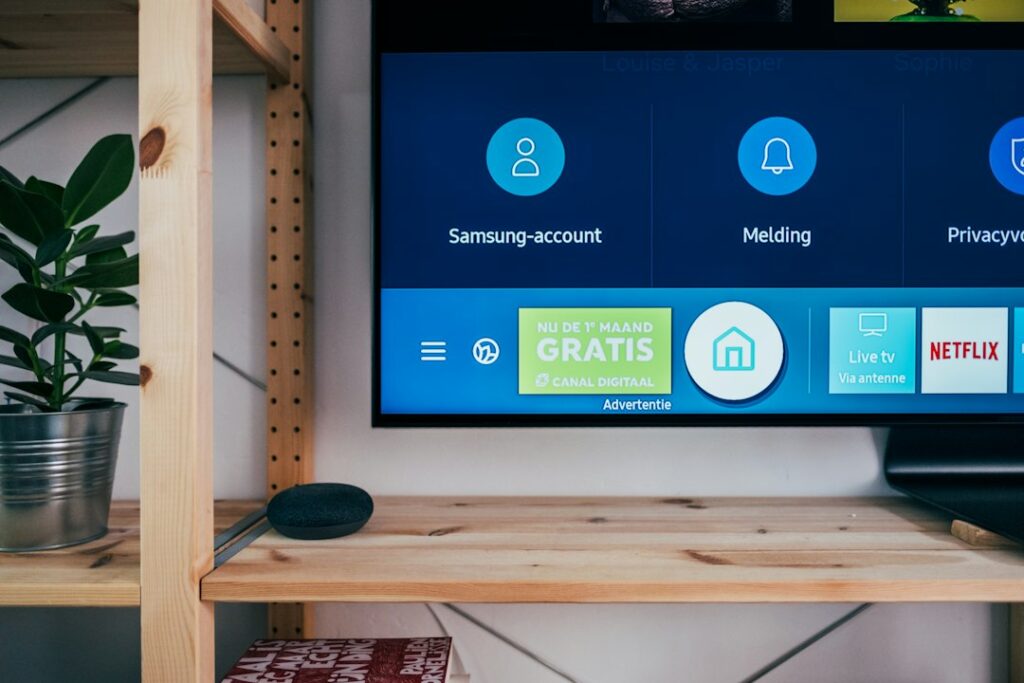
Many households rush into a cheap service without checking how it handles peak evening traffic. That mistake leads straight to stuttering streams and frustrating weekend dropouts. Let’s look at seven specific factors that actually dictate whether your streaming experience runs smoothly or falls apart.
1. Peak-Time Server Stability
Internet traffic across the UK surges between seven and ten o’clock every evening. During these peak hours, weak servers buckle under the strain. A trustworthy service invests in robust content delivery networks to prevent buffering when millions of people log on simultaneously. Ask providers how they manage bandwidth during major live events. If they use overcrowded servers, your picture quality will drop drastically right when you want it crisp.
Consider what happens during a high-stakes Premier League derby or a major international tournament final. Millions of UK viewers tune in at the exact same minute. Inferior IPTV providers lease cheap, shared server space that simply collapses under this sudden surge in concurrent requests. Premium providers, by contrast, utilize load balancing and redundant server clusters distributed across multiple geographical nodes. This infrastructure ensures that even if one node experiences heavy traffic, your stream is seamlessly re-routed to an alternate server without dropping a single frame.
2. Electronic Programme Guide Reliability
A messy channel list makes live television unwatchable. You need a clean Electronic Programme Guide that updates automatically without lagging behind real-world broadcast times. Proper metadata ensures you can jump straight from news broadcasts to entertainment channels without guessing what’s playing. If you want to get your guide sorted properly on your preferred streaming stick, follow this guide on setting up your EPG guide to avoid missing your favourite programmes.
A well-maintained EPG does more than just show titles; it dictates how pleasant your overall navigation experience will be. Poorly synchronized XMLTV links often result in programmes showing incorrect time offsets, leading to missed recordings or tuning into shows halfway through. Look for services that update their guide data multiple times a day, incorporate clear plot summaries, and support icons or channel logos that match standard television layouts.
3. True Bitrate and Resolution Standards
Labels like Full HD or 4K mean very little without adequate data rates behind them. A compressed 1080p stream often looks worse than a properly encoded 720p broadcast. Real UK IPTV services deliver stable bitrates that prevent pixelation during fast motion shots, such as football matches or racing events. Check if your provider offers adaptive bitrate streaming. This feature adjusts picture quality automatically when your home Wi-Fi stumbles.
Data compression is a balancing act. Unscrupulous resellers cram hundreds of channels into limited bandwidth pipes by over-compressing the video stream, resulting in artifacting, ghosting, and muddy color gradients, particularly in dark scenes. A genuine high-definition feed usually requires a consistent bitrate between 5 Mbps and 10 Mbps for 1080p, while true 4K feeds demand significantly more headroom. Always check if your broadband package can comfortably sustain these speeds before committing.
4. Connection Limits and Multi-Device Support
Most modern homes run streaming apps across multiple screens at the same time. One person watches a documentary in the bedroom while another catches up on drama in the living room. Single-connection packages force you to log out constantly. Look for options permitting at least two or three simultaneous streams on different hardware. Keep in mind that running multiple streams demands higher broadband speeds from your internet service provider.
Ofcom research regularly highlights how household data demands keep climbing year on year. Make sure your home connection handles multiple HD or 4K feeds before paying for multi-device tiers.
Furthermore, consider the hardware ecosystem within your household. A provider might support multi-device streaming, but if their service relies on proprietary apps that only work on Android TV, you will face hurdles trying to install it on an Apple TV, an Amazon Fire Stick, or a Samsung Tizen smart television. Flexibility in device provisioning, including support for standard M3U playlists and Xtream Codes API integrations, ensures you can use your preferred media player apps like TiviMate or IPTV Smarters across all household screens.
5. Catch-Up TV and Time-Shifting Features
Live television doesn’t always fit around busy work schedules. Solid catch-up integration lets you replay broadcasts from earlier in the week without manual recording. Check how many days of archive storage the service provides. Some platforms offer seven days of catch-up across major channels, while others drop support after twenty-four hours. This feature turns live broadcasts into an on-demand library tailored to your routine.
Time-shifting capabilities also include pause, rewind, and restart functions for live broadcasts. If you walk into the room ten minutes after a film or match has started, the ability to restart the broadcast from the beginning transforms the user experience. Verify whether these features are baked natively into the provider’s server infrastructure or if they require you to manage external cloud recording storage, which can quickly clutter your device memory or fail due to server-side sync errors.
6. Provider Transparency and Regulatory Compliance
The marketplace holds countless anonymous sellers offering impossible channel counts for pennies. Real businesses provide clear contact channels, transparent billing terms, and clear documentation. Copyright rules matter immensely in the UK. The UK Intellectual Property Office outlines clear boundaries regarding broadcast rights and distribution permissions. Legitimate providers operate within these legal frameworks, ensuring you don’t face sudden service shutdowns or billing scams.
When evaluating transparency, look closely at how a provider communicates updates, scheduled maintenance, or channel list modifications. Fly-by-night operations often disappear overnight, taking your subscription fee with them without leaving a trace or a customer support email address. Established services maintain active support ticketing systems, detailed knowledge bases, and clear terms of service that protect both parties.
7. Trial Periods and Refund Policies
Never pay for an annual subscription upfront without testing the service first. Reputable platforms let users test stability during peak hours using short-term passes or sample playlists. Use this window to check if your favourite channels load quickly, the sound stays synced with the video, and the app interface feels intuitive. If a provider refuses any form of trial or short-term option, treat that reluctance as a major warning sign.
A 24-hour or 48-hour trial period gives you a risk-free window to stress-test the connection during Friday night football or Sunday evening movie slots. If the service stutters, disconnects, or fails to deliver the promised channel lineup during these high-demand hours, you can walk away without losing a substantial investment. Always exercise caution with vendors demanding long-term commitments upfront while refusing any form of introductory evaluation period.
8. Customer Support Infrastructure and Responsiveness
Technical glitches can occur at any time, whether it is a sudden server outage, an authentication error after an app update, or a missing channel category. The quality of a provider’s customer support infrastructure often separates amateur resellers from professional streaming operations.
Investigate how support is delivered. Do they rely on a sluggish email-only ticketing system that takes days to respond, or do they offer active Telegram communities, live chat features, or comprehensive troubleshooting guides? Quick, responsive assistance ensures that minor configuration errors do not ruin your evening entertainment, giving you greater peace of mind with your chosen subscription.
For more information, iptv.
Learn more on Wikipedia: ITV (TV network).
Related reading
- UK IPTV Hardware Guide: Choosing the Right Streaming Device
- What UK Football Fans Need to Know About Legal Sports IPTV UK Packages
Update: Understanding UK Legal IPTV Service Costs and Contract Options for Sports Fans
Update: Choosing Legal IPTV Streaming Devices in the UK: Hardware Compared
How to Test an IPTV Service Before Committing Long Term in the UK
Jumping straight into a 12-month subscription for an IPTV UK provider is a rookie error. You might find out too late that your broadband struggles during peak evening kick-offs or that your favourite channels buffer constantly. Taking a methodical approach to evaluating a new service saves you money and frustration.

Why Testing Matters for UK Viewers
Internet speeds fluctuate across the UK depending on your provider, your neighbourhood cabinet, and whether you use fibre or older copper lines. A provider that works brilliantly for someone in central Manchester on a gigabit connection might stutter for someone in rural Cornwall on standard fibre. Before you hand over any cash, you need to see how the stream handles your specific home setup.
Official bodies like Ofcom regularly publish reports on average broadband speeds, reminding us that peak evening congestion between 7 PM and 10 PM often impacts heavy streaming. Testing during these exact peak hours is the only way to know if a service holds up under pressure.
Furthermore, the UK digital landscape features diverse regional broadband infrastructures. Urban areas benefit from widespread Full Fibre (FTTP) rollouts by providers like Openreach, Virgin Media, and various independent alt-nets. Conversely, rural subscribers often rely on Fibre to the Cabinet (FTTC) architectures where copper telephone lines introduce attenuation, reducing actual throughput over distance. Because IPTV relies heavily on consistent, uninterrupted packet delivery via protocols like HLS or MPEG-TS, even minor packet loss or jitter on a local line can trigger noticeable frame drops. Understanding your local connection profile before evaluating a streaming service prevents you from misattributing network congestion to a completely capable provider, or conversely, signing up for a service that lacks adequate content delivery network (CDN) routing for your specific geographic region.
Finding and Using an IPTV Trial Safely
Most reputable providers offer short introductory access periods. When you look for an IPTV trial UK option, keep your guard up and protect your personal information. Never share your primary email address or banking details for a trial; a burner email address keeps your inbox clean from spam.
- Check if the provider requires specific player apps or works with standard tools like TiviMate or IPTV Smarters.
- Observe the channel guide loading times and electronic programme guide updates.
- Test live sports feeds during high-demand weekend fixtures.
Securing your trial phase also involves practicing good digital hygiene. Many fly-by-night services demand payment through unverified cryptocurrency wallets or direct bank transfers without offering secure escrow or consumer protection. Stick to providers that accept mainstream, traceable payment processors if you decide to upgrade later, ensuring you retain chargeback rights under UK consumer protection laws if the service fails to deliver as advertised.
If you need help setting up your media player during the test phase, refer to this detailed Firestick playlist backup guide to save your configuration settings before experimenting further.
Evaluating Stream Stability and Quality
Once you load the playlist onto your hardware, push it hard. Don’t just watch a quiet documentary on a Tuesday morning. Tune into live football or a busy entertainment channel on Saturday afternoon when millions of other people are online.
Watch out for audio sync issues, frequent freezing, or sudden resolution drops. If the picture quality bounces between HD and blurry standard definition every few minutes, your connection or the provider’s servers are struggling. For weekend football fans, reviewing a structured Premier League live match schedule helps you pick the exact matches to monitor during your evaluation window.
In addition to checking raw resolution, pay close attention to frame rates. Live sports broadcast natively at 50fps or 60fps in Europe and the UK to ensure smooth motion during fast camera pans across a football pitch or racing circuit. Many inferior services rebroadcast feeds transcoded down to 25fps or 30fps, introducing noticeable judder and blurring that ruins the viewing experience. Checking whether the provider offers dedicated high-framerate streams for major sports channels is a crucial diagnostic step during any evaluation period.
Assessing Hardware Compatibility Across Household Devices
Modern households rarely rely on a single screen. A comprehensive test of any streaming service should include evaluating how the playlist performs across multiple device ecosystems. While an M3U link or Xtream Codes API might load instantly on an Amazon Fire TV Stick 4K Max, the exact same playlist could behave completely differently on an Apple TV running an app like iPlayTV, a Samsung smart TV using a native Tizen application, or an Android tablet.
Hardware decoding capabilities vary wildly between devices. Budget streaming sticks often lack the processing power or RAM required to decode high-bitrate HEVC/H.265 streams smoothly, leading to thermal throttling and app crashes during extended viewing sessions. Testing the service on your primary television, secondary bedroom displays, and mobile devices ensures that whichever room you are in, your entertainment remains reliable and responsive throughout your subscription cycle.
Inspecting Customer Support and Community Responsiveness
An often overlooked aspect of testing an IPTV service is evaluating how the provider handles technical support and communication when things go awry. During your trial period, it is wise to intentionally check their support channels—whether via Telegram groups, ticket systems, or web chat—to gauge their response time and helpfulness. Reliable providers maintain transparent communication channels, proactively notifying subscribers about scheduled maintenance, server migrations, or emergency stream link updates during major sporting events. If a provider goes completely dark or offers automated, unhelpful responses during a minor glitch in your trial, it serves as a glaring red flag for how they will handle major outages once you have paid for a long-term plan.
Weighing Up Short-Term vs Long-Term Subscriptions
After your trial ends, resist the urge to buy a multi-year deal just because the monthly cost looks cheaper on paper. The digital streaming market shifts fast, and providers can change their channel lineups or server performance overnight. Many savvy consumers prefer sticking to monthly or quarterly billing cycles. Read more about flexible options in our guide on the best no-contract IPTV subscription UK choices available right now.
For more information, iptv.
Learn more on Wikipedia: ITV (TV network).
Related reading
- UK Legal IPTV Device Setup and Comparison Guide
- Comparing Official UK Sports Streaming Apps and Licensed IPTV Providers
Update: What UK Football Fans Need to Know About Legal Sports IPTV UK Packages
Update: UK IPTV Hardware Guide: Choosing the Right Streaming Device
- The Shift from Traditional Broadcasting to Internet Delivery
- Official Broadcaster Apps: Pros and Cons
- Advantages of Official Apps
- Drawbacks of Official Apps
- Licensed IPTV Providers: What to Expect
- Comparison Table: Official Apps vs Licensed IPTV
- Hardware Compatibility and Setup Requirements
- Understanding UK Broadcasting Rights and Licensing
- Your Buying Checklist for Sports Streaming Services
- Frequently Asked Questions
- Can I watch 4K football matches through legal sports IPTV UK services?
- Why do live sports streams have a short delay?
- Do I need a TV licence for streaming live sports online in the UK?
- Are monthly rolling contracts better than annual subscriptions?
- What internet speed do I need for smooth HD sports streaming?
- Can I use my sports streaming subscription while travelling abroad?
- How do I fix minor audio sync issues during a match?
Finding a reliable way to watch every Saturday afternoon fixture without constantly buffering or running into licensing blocks is tough. Millions of fans rely on broadcasting apps, but a growing number are turning toward legal sports IPTV UK services delivered via modern set-top boxes and smart televisions. Official broadcasters hold the primary rights for Premier League, Champions League, and domestic cup matches. Yet, the ecosystem of how we consume television has shifted dramatically away from traditional satellite dishes and coaxial cables.

Internet Protocol Television changes the delivery mechanism entirely. Instead of radio waves hitting a rooftop aerial or a fixed dish, data packets stream straight through your broadband router. For sports enthusiasts, this means high-definition feeds, multi-view options, and seamless app switching. But you need to know what separates a genuine, fully licensed package from an unauthorized stream. Let us walk through how official apps and licensed aggregators stack up against each other.
The Shift from Traditional Broadcasting to Internet Delivery
Traditional terrestrial and satellite television formats are slowly giving way to pure broadband consumption. Sky and TNT Sports now offer app-based memberships that do not require a physical dish installation on your chimney. This transition benefits renters and apartment dwellers who cannot mount hardware outside. You simply download an application, log in with your credentials, and start streaming.
At the same time, independent licensed providers package various authorized feeds into a single interface. These companies negotiate proper retransmission rights with broadcasters. They pay licensing fees to ensure compliance with UK copyright laws. When you subscribe to a legitimate service, you support the sports industry financially. Piracy hurts clubs, grassroots funding, and production quality.
Broadband speeds across the UK have also improved. Superfast fibre connections are standard in most urban areas and increasingly common in rural villages. A stable connection running at thirty megabits per second handles high-definition video effortlessly. Some providers even push 4K ultra-high-definition feeds for marquee fixtures. You do need robust Wi-Fi or, ideally, an ethernet cable plugged straight into your streaming device to avoid packet loss during high-intensity moments.
Official Broadcaster Apps: Pros and Cons
Official apps from major rights holders offer unmatched reliability. They rarely suffer from sudden blackouts or unexpected shutdowns during high-profile derbies. You get official studio analysis, expert punditry, and post-match interviews included in the standard feed.
However, fragmentation remains a massive headache for supporters. Watching a full season of your favourite club often requires separate subscriptions to multiple platforms. One network might hold Saturday lunchtime rights, while another broadcasts midweek evening games. Costs add up quickly when you stack these monthly fees together.
Advantages of Official Apps
- Guaranteed legal compliance and zero risk of sudden service termination.
- Exceptional video quality, frequently supporting 50 frames per second for smooth motion.
- Official catch-up features, full match replays, and dedicated highlight packages.
- Reliable customer support channels and official billing mechanisms.
Drawbacks of Official Apps
- High cumulative cost if you want complete coverage across all competitions.
- Simultaneous stream limitations can frustrate households with multiple sports fans.
- Geoblocking restrictions apply when travelling outside the United Kingdom.
- Interface designs can sometimes feel clunky on third-party hardware.
Licensed IPTV Providers: What to Expect
Independent licensed aggregators operate differently. They bundle various permitted channels into one unified Electronic Programme Guide. Instead of juggling five different apps, you scroll through a traditional channel grid. This layout appeals heavily to older viewers or fans who prefer a familiar television experience.
Before committing any money, it helps to review essential checks before purchasing a licensed package. Legitimate providers will always display clear company registration details, transparent UK VAT pricing, and responsive help desks. If a deal looks too cheap to be true, it almost certainly relies on unauthorized content feeds.
Quality control varies more among independent providers than massive multinational broadcasters. Some smaller networks struggle during peak concurrent viewing windows, such as a busy Saturday at three in the afternoon. Choosing an established, fully compliant provider mitigates most of these performance risks.
Comparison Table: Official Apps vs Licensed IPTV
| Feature | Official Broadcaster Apps | Licensed IPTV Providers |
|---|---|---|
| Channel Layout | App-based on-demand menus | Traditional EPG channel grid |
| Monthly Cost | Varies per network (can be expensive combined) | Often bundled into a single subscription fee |
| Hardware Support | Smart TVs, mobile, selected streaming sticks | Firestick, Android TV, MAG boxes, custom apps |
| Live Match Delay | Standard streaming delay (30-60 seconds) | Depends on source feed, usually comparable |
| Legal Safety | 100% official and fully protected | Safe only if properly licensed and verified |
Hardware Compatibility and Setup Requirements
Your choice of viewing hardware dictates how smoothly your sports streams will run. Modern smart TVs running operating systems like webOS or Tizen handle official applications natively. You do not need any extra boxes cluttering your living room shelf.
External media players offer greater flexibility for dedicated sports enthusiasts. Devices like Amazon Fire TV sticks, Apple TV units, and Android-powered boxes process video streams efficiently. They also receive software updates more frequently than older television sets.
Audio-visual sync is another critical factor. Football requires precise synchronization between commentary and on-pitch action. A delayed audio track ruins the excitement of a last-minute goal. Wired ethernet connections generally eliminate the micro-stutters that plague congested Wi-Fi networks on match days.
Understanding UK Broadcasting Rights and Licensing
Copyright laws in the UK protect sports broadcasts fiercely. Premier League matches enjoy strict legal protection under intellectual property regulations. Broadcasters pay billions of pounds for exclusive transmission windows. This financial model funds the entire football pyramid from top to bottom.
Using unauthorized streams bypasses these commercial structures entirely. Enforcement agencies actively target illegal streaming operations, resulting in sudden server seizures and blocked IP addresses. Sticking strictly to authorized channels ensures uninterrupted viewing without legal anxiety.
Always verify that your chosen provider holds the proper commercial clearance to distribute channels in the UK. Legitimate businesses operate openly with transparent terms of service, registered office addresses, and clear cancellation policies. Transparency is your best defense against rogue operators.
Your Buying Checklist for Sports Streaming Services
Use this practical checklist before entering your payment details for any sports streaming subscription:
- Verify the provider’s official company registration and contact details.
- Check whether the service operates under valid UK broadcasting licenses.
- Test the customer support response time with a simple pre-sale enquiry.
- Confirm compatibility with your current television or streaming hardware.
- Review the cancellation policy and avoid long-term contracts if you prefer flexibility.
- Check simultaneous stream limits if multiple people in your household watch different matches.
Frequently Asked Questions
Can I watch 4K football matches through legal sports IPTV UK services?
Yes, many authorized broadcasters and licensed providers now offer select high-profile fixtures in 4K resolution, provided your internet connection exceeds twenty-five megabits per second and your TV supports the format.
Why do live sports streams have a short delay?
Encoding, digital compression, and network transport add a brief buffering delay of thirty to sixty seconds compared to traditional analogue transmissions.
Do I need a TV licence for streaming live sports online in the UK?
Any live television broadcast watched on any device in the UK requires a valid TV licence, regardless of whether you use a traditional aerial or an internet stream.
Are monthly rolling contracts better than annual subscriptions?
Monthly rolling options offer greater flexibility if you want to pause your subscription during the summer football off-season.
What internet speed do I need for smooth HD sports streaming?
A stable broadband connection of at least fifteen megabits per second is recommended for standard high-definition feeds.
Can I use my sports streaming subscription while travelling abroad?
Most UK subscriptions restrict playback outside the United Kingdom due to strict regional licensing agreements held by sports rights owners.
How do I fix minor audio sync issues during a match?
Restarting your streaming device or clearing the application cache usually resolves temporary audio delay problems.
For more information, iptv.
Related reading
- IPTV Buffering Fixes UK: Step-by-Step Troubleshooting for Smart TVs and Firestick
- Myth vs. Fact: What Actually Happens When You Switch to IPTV UK
Update: How to Test an IPTV Service Before Committing Long Term in the UK
Update: Why Does My Smart TV IPTV App Keep Crashing? (And How to Fix It)
- Myth: An IPTV Subscription UK Instantly Replaces All Traditional Broadcasting
- Myth: You Need Expensive Hardware to Run an IPTV Service UK
- Myth: Buffering Is Always Caused by the IPTV Provider UK
- Myth: Every UK IPTV Provider Offers Identical Channels and Features
- The Hidden Impact of Internet Service Provider (ISP) Throttling
- Quick Troubleshooting Checklist for UK Viewers
Myth vs. Fact: What Actually Happens When You Switch to IPTV UK
Switching your main TV setup to an IPTV UK service sounds simple enough on paper. You plug in a device, connect to your Wi-Fi, and watch live streams. Yet, internet forums are full of conflicting advice. Some users claim it replaces a standard satellite dish overnight with zero hassle. Others warn of endless buffering loops and confusing software crashes. Let us separate the everyday myths from the actual facts so you know what to expect.

Myth: An IPTV Subscription UK Instantly Replaces All Traditional Broadcasting
Many buyers assume that signing up for any standard IPTV subscription UK means you can throw away your standard terrestrial aerial or dish immediately. That is rarely the whole story.
Fact: While internet television delivers thousands of global channels via broadband, traditional broadcasting methods still offer distinct advantages. For instance, live regional variations for local news broadcasts might not always line up identically across every internet-based stream. Ofcom notes that internet streaming adoption continues to rise across British households, but traditional platforms maintain dedicated broadcast redundancies that internet streams can occasionally lack during peak network traffic periods.
Furthermore, timing differences can become apparent during major live events. Because digital packets must travel through various servers, transcoding pipelines, and your home internet router, internet streams often lag behind standard terrestrial or cable broadcasts by anywhere from 15 to 45 seconds. If you live in a neighborhood where neighbours are cheering for a goal before you even see it on your screen, this broadcast delay is the primary culprit. Understanding this operational difference helps manage expectations when transitioning away from legacy coaxial cables.
Myth: You Need Expensive Hardware to Run an IPTV Service UK
A common misconception suggests that enjoying modern television streams requires a high-end gaming PC or a costly bespoke set-top box.
Fact: Most modern smart TVs and affordable media sticks handle internet streams effortlessly. You don’t need a heavy financial investment. A standard streaming stick plugged into an HDMI port handles media decoding just fine. If your broadband speed is stable, basic hardware performs admirably.
In fact, many entry-level streaming devices come equipped with efficient hardware decoders specifically optimized for compressed video codecs like H.264 and HEVC (H.265). As long as your device runs a reliable operating system—such as Android TV, Fire OS, or Apple tvOS—and has enough internal storage to cache temporary stream data, you will experience smooth playback. The true bottleneck is rarely the processing power of modern devices; rather, it is usually software bloat, outdated applications, or insufficient RAM caused by running too many background processes simultaneously.
Myth: Buffering Is Always Caused by the IPTV Provider UK
When a picture freezes mid-stream, viewers immediately blame their content supplier. They assume the server capacity has collapsed.
Fact: Local home network issues frequently cause stuttering playback. Wi-Fi interference from thick brick walls, microwave ovens, or busy neighbourhood channels disrupts data packets. Upgrading your router placement or switching to a wired Ethernet connection often fixes freezing issues instantly. Always check your home network speeds before contacting customer support.
Another major factor within the home is bandwidth contention. If other household members are simultaneously downloading massive video game updates, streaming 4K movies in another room, or backing up large files to cloud storage, your available bandwidth will plummet. Internet protocol television relies on a continuous, uninterrupted stream of data packets. Even a momentary micro-drop in your broadband connection can force your media player to pause while it re-buffers the video feed. Implementing Quality of Service (QoS) settings on your home router to prioritize video streaming traffic can often resolve these local bottlenecks entirely.
Myth: Every UK IPTV Provider Offers Identical Channels and Features
Browsing various packages makes all internet TV options look remarkably similar. They all advertise live sports, movies, and catch-up options.
Fact: Infrastructure, electronic programme guide (EPG) stability, and server reliability vary wildly between providers. Some companies invest in dedicated UK-based servers to minimize latency during high-profile live events, while others rely on oversaturated shared hosting. Checking technical specifications matters far more than counting the total number of advertised channels.
A service boasting twenty thousand channels is often useless if half of those links are broken, offline, or suffer from chronic low bitrates. Premium networks focus heavily on stability, offering redundant streams that automatically switch over if a primary source feed fails. Additionally, robust customer support portals, automated billing systems, and clear setup guides distinguish professional providers from fly-by-night operations. Always look for services that prioritize high-definition (HD) and 60-frame-per-second (fps) delivery for sports, as standard-definition feeds look exceptionally poor on modern large-screen televisions.
The Hidden Impact of Internet Service Provider (ISP) Throttling
Many new users assume that as long as they pay for a high-speed fiber-optic broadband package, their streaming experience will be flawless. However, the relationship between your internet service provider and your streaming habits deserves closer examination.
Fact: Some mainstream UK broadband providers employ traffic management policies or peak-time throttling when they detect heavy, continuous data consumption patterns associated with video streaming protocols. While fiber lines offer massive theoretical bandwidth caps, network congestion during evening prime-time hours (typically between 7 PM and 11 PM) can cause packet loss specifically targeting unverified streaming ports. Utilizing a reputable Virtual Private Network (VPN) can sometimes bypass these artificial ISP throttling protocols by encrypting your traffic, making it impossible for your broadband provider to selectively slow down your media streams based on deep packet inspection.
Quick Troubleshooting Checklist for UK Viewers
- Test your broadband speed using a reliable wired connection.
- Clear cached data inside your media player app regularly.
- Restart both your broadband router and streaming device once a week.
- Verify that your media player application is updated to the latest stable software release.
- Check if switching from a congested 2.4GHz Wi-Fi band to a clearer 5GHz or wired Ethernet connection resolves sudden latency spikes.
For more information, iptv.
Learn more on Wikipedia: ITV (TV network).
Related reading
- UK Legal IPTV Streaming Hardware Comparison Guide
- How to Check Legal Sports IPTV UK Packages Before Buying
Update: Comparing Official UK Sports Streaming Apps and Licensed IPTV Providers
Update: UK Legal IPTV Device Setup and Comparison Guide
- Evaluating Legal Sports IPTV UK Packages
- Channel Line-Ups and Live Match Coverage
- Device Compatibility and App Performance
- Contract Lengths and Cancellation Terms
- Understanding Bandwidth and Network Requirements
- Pros and Cons of Licensed Streaming Packages
- Buying Checklist
- Legal and Licensing Note
- Frequently Asked Questions
- What broadband speed do I need for HD football streaming?
- Can I watch 3 PM Saturday kickoffs legally in the UK?
- Do official sports packages require a TV licence?
- Are free trials common for official sports services?
- Can I share my sports subscription with friends?
- What should I do if my stream buffers during a big match?
- Are contract-free sports passes available?
Evaluating Legal Sports IPTV UK Packages
Buying a streaming package for live football and weekend fixtures takes a bit of research. You want to avoid scams and make sure your money goes to a fully licensed provider. Many dodgy services pop up promising every single match for a tenner a month. They vanish overnight, leaving fans out of pocket.

Official broadcasters like Sky Sports, TNT Sports, and Amazon Prime Video hold the proper rights in the UK. When you look at legal sports IPTV UK options, you’re usually buying through official telecom bundles or verified app add-ons. Let’s look at what you need to check before entering your payment details.
Navigating the modern landscape of digital sports broadcasting can feel overwhelming, especially with the constant fragmentation of media rights. In the past, a single television subscription might have covered the majority of domestic fixtures. Today, consumers often need to piece together multiple services to follow a single team across domestic leagues, domestic cups, and European competitions. Understanding the financial and technical commitments required by legitimate providers ensures that you enjoy uninterrupted matchday action without falling foul of deceptive marketing or unstable pirate streams.
Channel Line-Ups and Live Match Coverage
Never assume a provider includes every Premier League or Champions League fixture. Broadcasters split rights across different networks. You need to check the exact channel list on the provider’s official site.
Some platforms offer domestic leagues while others focus on European competitions. If you love Saturday afternoon 3 PM matches, remember that UK blackout rules apply to all official broadcasters. No legal service will show those games live.
Furthermore, it is vital to examine how secondary sports are handled within these packages. If you enjoy rugby union, Formula 1, cricket, or golf alongside your football fix, verify whether supplemental channels or niche sports packages are included in the base price or require an additional monthly fee. Hidden tier structures can quickly inflate the total cost of your sports viewing setup if you do not read the service breakdown thoroughly.
Device Compatibility and App Performance
Your hardware dictates how well your streams run on matchday. Check if the service works natively on your preferred gear. Whether you use a Fire TV Stick, an Apple TV, or a modern smart television, the app needs to be stable. For more details on hardware choices, check out how to check legal sports IPTV UK packages before buying to ensure full compatibility.
Storage space matters too. Low-end streaming sticks can choke if you run too many background processes. Make sure your device has enough memory to handle high-framerate live video without stuttering.
Operating system updates also play a significant role in long-term app performance. Older smart TVs often stop receiving software updates from their manufacturers, which can lead to compatibility issues with newly updated streaming applications. Investing in a dedicated external streaming box or stick often provides a longer lifespan and more reliable performance for high-bandwidth sports broadcasts than relying solely on a television’s built-in operating system.
Contract Lengths and Cancellation Terms
Commitment phobes should read the fine print. Some official providers lock you into 12 or 24-month contracts. Others offer rolling monthly passes that you can cancel anytime.
Rolling passes cost slightly more per month, but they give you flexibility during the off-season. Always check the refund policy before you sign up. Legitimate companies usually give you a brief cooling-off period under UK consumer law.
Be especially mindful of automatic renewal clauses embedded in promotional or discounted introductory rates. Many providers lure customers in with a cheap first three months, only to automatically transition them to a much higher standard tariff without explicit, hard prompting. Setting a calendar reminder a few days before any introductory promotion expires is a smart habit for managing your household subscription budget effectively.
Understanding Bandwidth and Network Requirements
Streaming high-definition and ultra-high-definition live sports places a heavy demand on your home internet connection. Unlike on-demand video services like Netflix or Disney+, which use aggressive buffering and pre-loading to smooth out minor network dips, live IPTV streams require a constant, real-time data flow. If your broadband connection suffers from jitter, packet loss, or high latency during peak evening hours, your sports stream will suffer from pixelation, audio-video desynchronisation, or complete dropouts.
To mitigate these issues, consider connecting your streaming device directly to your router via an Ethernet cable rather than relying on Wi-Fi, especially if your router is located in a different room or obstructed by thick walls. Additionally, check if your internet service provider (ISP) enforces data caps or broadband throttling during heavy usage periods, as continuous high-definition sports streaming can consume hundreds of gigabytes over the course of a busy football month.
Pros and Cons of Licensed Streaming Packages
- Pros: Reliable high-definition streams, official legal backing, consistent audio, and dedicated customer support teams.
- Cons: Higher monthly costs, split rights requiring multiple subscriptions, and regional broadcast restrictions.
Buying Checklist
- Verify the company has official UK broadcasting rights.
- Confirm the app supports your specific TV or streaming stick.
- Check the exact monthly price including any hidden setup fees.
- Read user reviews on independent forums regarding customer service.
- Test your broadband speed to ensure it meets HD or 4K requirements.
Legal and Licensing Note
Official sports broadcasting operates under strict copyright laws governed by UK regulatory bodies. Only use authorised platforms that hold direct distribution rights from sports leagues and federations. Unauthorised streaming services violate copyright law and risk immediate shutdown.
Frequently Asked Questions
What broadband speed do I need for HD football streaming?
You need a stable download speed of at least 15 Mbps for high-definition sports. For 4K streams, aim for 30 Mbps or higher.
Can I watch 3 PM Saturday kickoffs legally in the UK?
No. The traditional Saturday afternoon blackout applies across all legal UK broadcasters to protect match attendances.
Do official sports packages require a TV licence?
Yes, if you watch live television broadcasts as they are being aired on any channel or device in the UK.
Are free trials common for official sports services?
Official networks rarely offer free trials for sports bundles, though they occasionally run promotional discounts.
Can I share my sports subscription with friends?
Most official providers limit simultaneous streams to one or two devices within the same household.
What should I do if my stream buffers during a big match?
Restart your router, check your Wi-Fi connection, or switch to an ethernet cable for a more stable link.
Are contract-free sports passes available?
Yes, services like NOW offer flexible monthly memberships without long-term commitments.
For more information, iptv.
Related reading
- Smart TV IPTV Playlist Loading Issues and How: A Practical UK Fix Guide
- How to Test an IPTV Trial in the UK Safely and Effectively
Update: Myth vs. Fact: What Actually Happens When You Switch to IPTV UK
Update: IPTV Buffering Fixes UK: Step-by-Step Troubleshooting for Smart TVs and Firestick