- Why Raw Speed Alone Does Not Guarantee a Clean Stream
- What the Numbers Mean for Live Broadcasts
- Step One: Running an Accurate Speed Test
- Step Two: Diagnosing Wi-Fi Interference at Home
- Step Three: Moving from Wireless to Wired Ethernet
- Step Four: Checking for ISP Throttling
- Frequently Asked Questions
- Why does my speed test look fine, but my streams still buffer?
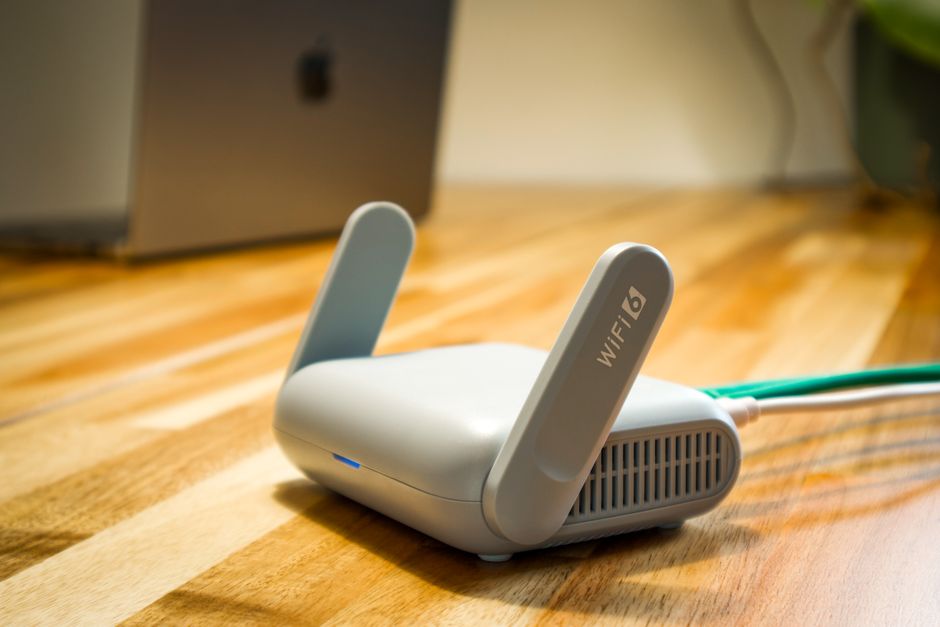
- Is Wi-Fi 6 necessary for high-definition streaming?
- How often should I check my broadband performance?
Your screen freezes right as the ball crosses the goal line. That frustrating stall usually traces back to your home broadband rather than your service provider. Getting reliable streaming performance with UK IPTV depends heavily on your raw connection speed, local Wi-Fi congestion, and how your network handles live data packets. Most households have plenty of download capacity on paper, but real-world delivery often tells a different story.

Testing your setup correctly takes a bit of method. You need to look beyond the headline figures your provider advertises and measure what actually reaches your streaming device. Let us walk through the exact steps required to diagnose your network, spot bottlenecks, and get your feeds running smoothly.
Why Raw Speed Alone Does Not Guarantee a Clean Stream
Advertised broadband speeds in the UK rarely match the throughput hitting your living room. Providers often market maximum possible rates rather than guaranteed peak-hour performance. When you stream live television, consistency matters far more than a high peak number. A connection dipping below the required threshold for just a few seconds triggers annoying drops or forces the player to lower resolution.
Three main metrics dictate how well your network handles live broadcasts. Download bandwidth determines whether your setup can pull high-definition video frames fast enough. Ping measures the reaction time between your device and the remote server. Jitter tracks how much that reaction time fluctuates from second to second. High jitter ruins live feeds even when raw download numbers look impressive on paper.
What the Numbers Mean for Live Broadcasts
Standard definition feeds require minimal bandwidth, usually under five megabits per second. High definition streams demand roughly ten to fifteen megabits per second for a stable picture. Ultra HD transmissions push past twenty-five megabits per second. If multiple devices share your router while you watch live TV, your available headroom shrinks instantly. Ofcom regularly publishes broadband performance reports showing how real-world speeds drop during peak evening hours when entire neighbourhoods jump online.
Step One: Running an Accurate Speed Test
Do not test your connection speed using a smartphone sitting right next to the router. You need data gathered from the exact spot and device where you watch television. Fire up your streaming hardware and open a dedicated testing tool.
Disconnect any heavy background downloads before you begin. Clear out active streams on other tablets or consoles in the house. Run the diagnostic tool three separate times across different hours of the day. Jot down the download speed, upload speed, and ping for each attempt. Compare those figures against what you need for your chosen streaming resolution. If your results match or exceed requirements, your issue lies elsewhere in the network.
Step Two: Diagnosing Wi-Fi Interference at Home
Wireless signals degrade quickly when physical obstacles block their path. Thick stone walls, large household appliances, and competing networks from nearby properties all cause packet loss. Many smart televisions and streaming sticks rely on older wireless chips that struggle with heavy data loads.
Check which frequency band your hardware uses. Older 2.4 GHz channels suffer from severe overcrowding because baby monitors, microwaves, and neighbour routers use the same airwaves. Switch your streaming box to the 5 GHz band if your router supports dual-band broadcasting. That higher frequency offers shorter range but delivers much faster throughput with fewer dropouts. If you want to dive deeper into hardware configuration, check out our guide on fixing IPTV buffering on your UK Smart TV for additional tips on network settings.
Step Three: Moving from Wireless to Wired Ethernet
Wireless convenience often comes at the cost of stability. Physical cables eliminate radio interference entirely. Plug an Ethernet cable directly from your broadband router into your streaming box if physical layout permits.
Hardwired connections deliver lower ping times and eliminate sudden speed drops caused by passing foot traffic or closing doors. If running a long cable across your living room floor looks messy, flat Ethernet cables tuck neatly beneath skirting boards or under carpets. Powerline adapters offer another useful alternative by transmitting network data through your home electrical wiring when direct cabling proves impossible.
Step Four: Checking for ISP Throttling
Sometimes your local network functions perfectly, yet your video feeds still stutter during popular broadcast events. Certain internet service providers manage traffic during peak periods by slowing down data streams associated with heavy video consumption.
Run a speed test while connected to a virtual private network if you suspect traffic shaping. Compare those encrypted results against your standard speeds. If the VPN results run significantly faster during busy evening hours, your broadband supplier might be throttling specific traffic types. Changing your default domain name system servers inside your router settings can also improve connection routing and bypass minor routing slowdowns.
Frequently Asked Questions
Why does my speed test look fine, but my streams still buffer?
Speed tests measure your maximum capacity to a nearby server for a few seconds. Live video requires a continuous, uninterrupted stream of data over a sustained period. Brief network micro-drops will cause a stream to stall even if your headline speed is high.
Is Wi-Fi 6 necessary for high-definition streaming?
Not strictly. Standard Wi-Fi 5 handles high definition and 4K feeds easily as long as your router sits close to the television and interference stays low. Newer wireless standards simply manage congested home networks more efficiently.
How often should I check my broadband performance?
Run a quick check once every few months or whenever you notice a sudden drop in video quality. Seasonal changes and neighborhood network upgrades can alter your actual throughput over time.
For more information, iptv.
Learn more on Wikipedia: UK Pitbulls.
Related reading
- Best IPTV Devices UK: Choosing the Right Streaming Hardware for Legal Services
- Legal Sports IPTV UK: Checking Channel Lineups Before You Buy
Update: Legal Sports IPTV UK: Evaluating Licensed Channel Packages
Update: Best IPTV Devices UK: Hardware Breakdown
- The Short Answer on UK Bandwidth Requirements
- Before You Start Checklist
- How Different Stream Qualities Affect Your Connection
- Step-by-Step Troubleshooting for Slow Streams
- Common Mistakes to Avoid
- When to Contact Your Internet Provider
- Safety and Legal Notes
- Frequently Asked Questions
- Does upload speed matter for IPTV?
- Why does my speed drop at 8 PM?
- Is Wi-Fi enough for 4K streaming?
You hit play on a live football match, but the screen freezes right as the ball heads toward the goal. Frustrating moments like this usually trace back to your connection. Finding the right internet speed for IPTV stops the endless buffering wheels on your Firestick or Smart TV. Standard definition needs very little bandwidth. High definition and 4K broadcasts demand a lot more data every second.
The Short Answer on UK Bandwidth Requirements
Most UK households need a steady download rate of at least 15 Mbps to stream standard HD channels reliably. If you watch Ultra HD or 4K content, aim for 30 Mbps or higher. Real-world performance depends heavily on Wi-Fi interference and how many devices share your broadband.
Before You Start Checklist
- Run a speed test using a device connected to the same network.
- Check your current broadband package details with your provider.
- Turn off large downloads or console updates running in the background.
- Restart both your router and your streaming player.
How Different Stream Qualities Affect Your Connection
SD streams require roughly 5 to 8 Mbps. That works fine on basic ADSL lines. Most UK streets now have fibre access, which easily clears that hurdle.
HD feeds need 10 to 15 Mbps. If multiple people stream video at once, your total household bandwidth drops fast. A 30 Mbps FTTC connection handles single HD feeds well, but peak evening hours can cause slowdowns.
4K broadcasts push past 25 Mbps. Fibre to the Premises (FTTP) handles these heavy data loads without breaking a sweat.
Step-by-Step Troubleshooting for Slow Streams
- Run a speed test on your TV or Firestick using a diagnostic app.
- Unplug your broadband router for thirty seconds, then plug it back in.
- Move your streaming device closer to the Wi-Fi router to cut down interference.
- Switch to an Ethernet cable if wireless signals keep dropping.
- Clear cached data inside your IPTV application storage.
Common Mistakes to Avoid
Many users rely on old copper wire broadband packages while trying to stream multiple HD channels simultaneously. Another common error involves placing wireless routers behind thick media units or near kitchen appliances, which weakens the signal instantly. Don’t assume your advertised broadband speed matches what actually reaches your living room socket.
When to Contact Your Internet Provider
If speed tests show numbers far below what you pay for, call your broadband supplier. Faulty external lines, degraded master sockets, or exchange congestion often require an engineer visit. Your IPTV provider cannot fix bad local line speeds.
Safety and Legal Notes
Always use official, licensed streaming applications and authorised broadband packages. This guide covers technical performance diagnostics for legitimate network setups only.
Frequently Asked Questions
Does upload speed matter for IPTV?
Not really. IPTV relies almost entirely on download bandwidth.
Why does my speed drop at 8 PM?
Neighbourhood network congestion causes slowdowns during peak evening hours.
Is Wi-Fi enough for 4K streaming?
Sometimes, but a wired Ethernet connection provides better stability.
For more information, iptv.
Related reading
Update: Best IPTV subscription for Smart TV users
Update: How to fix IPTV audio but no picture problems
Getting a stable video stream over the internet requires more than just a standard broadband package. When you set up IPTV UK services in your living room, your home network faces unique demands that standard web browsing or casual video viewing simply do not generate. Live television streams send a constant, uninterrupted stream of packets to your device. If your connection stutters, your screen freezes right during a crucial moment.

1. Fibre to the Premises Versus Part-Fibre Connections
Your physical line type dictates your baseline performance. Many UK properties still rely on copper wires for the final leg from the street cabinet to the house. This older technology limits your maximum download rates and increases jitter. Full fibre connections, known as FTTP, bring pure glass cables straight inside your walls. They deliver symmetrical or near-symmetrical speeds with virtually zero line degradation.
Ofcom data shows that availability of full fibre continues to expand across British towns and cities. If you have the option to upgrade your broadband infrastructure, it makes a massive difference for live broadcasting. Copper lines suffer from signal loss over distance. A house situated far from its local green cabinet will struggle to maintain the stable throughput required for high-definition video feeds. Knowing how internet television technology functions helps clarify why pure fibre lines outperform traditional copper setups every single time.
2. Real-World Speeds Versus Advertised Package Rates
Internet service providers love marketing headline numbers. They sell you a fifty megabit or five hundred megabit package based on ideal laboratory conditions. Your actual living room experience often tells a different story. Background updates, household devices sharing the router, and distance from your wireless access point all chip away at your available bandwidth.
Live streams need consistent bandwidth rather than massive bursts of speed. A steady twenty megabits per second beats a spiky connection that bounces between five and one hundred megabits. Check your line performance during peak evening hours. That test reveals what your connection actually handles when your entire neighbourhood logs on at the same time.
3. Wi-Fi Interference and Cable Reliability for IPTV UK
Wireless signals hate solid walls, thick floors, and electronic appliances. Microwaves and baby monitors operate on similar frequencies to your home router. These everyday household items cause packet loss and temporary freezes on live feeds. Hardwiring your viewing device with an ethernet cable eliminates most of these wireless headaches.
Ethernet connections offer a direct physical link to your router. You get lower latency and zero radio interference. Many people commit basic errors when placing their streaming hardware near thick obstacles. Fixing these placement errors prevents frustrating stuttering issues during matchdays. For practical advice on avoiding common setup mistakes, read up on typical errors UK households make when configuring their viewing environments.
4. Understanding Peak Traffic Hours on UK Networks
Internet traffic follows predictable daily rhythms. Millions of people finish work, stream films, or play online games between seven and ten in the evening. This massive surge puts heavy pressure on local exchange nodes and backbone servers.
Some budget internet providers struggle to buy enough backhaul capacity from larger network operators. When evening congestion hits, their customers experience throttled speeds and buffering screens. Premium providers invest heavily in their network capacity. They keep data flowing smoothly even when the entire street goes online simultaneously. If your stream degrades every evening at eight o’clock, your provider’s network congestion is usually the main culprit.
5. Router Quality and Buffer Management
The plastic box supplied by your internet provider does a basic job. However, standard free routers often feature underpowered processors and outdated Wi-Fi chips. They choke when multiple devices demand attention at once.
Modern routers include Quality of Service settings. These controls let you prioritise video traffic over background downloads like game updates or cloud backups. Enabling QoS ensures your television gets first dibs on available bandwidth. Upgrading to a third-party mesh system also spreads coverage evenly across larger properties, eliminating dead zones where wireless drops completely.
6. Data Caps and Fair Usage Policies
Unlimited broadband feels standard nowadays, but some cheap plans still hide fair usage limits in the small print. Streaming high-definition or ultra-high-definition video consumes gigabytes of data in a matter of hours.
Running a continuous live feed for several hours every day adds up fast across a typical month. If your contract includes a strict monthly cap, you risk extra charges or speed throttling just when you need your connection most. Always check your provider’s terms before signing long-term agreements. True unlimited plans give you peace of mind to watch as much content as you want without checking meters.
For more information, iptv.
Learn more on Wikipedia: ITV (TV network).
Related reading
- M3U URLs vs Xtream Codes API: Which IPTV Setup Method Suits UK Smart TVs?
- Firestick IPTV Remote Lag Fixes
Update: How to Fix Firestick IPTV Buffering During Live Matches