- Choosing the Right Hardware for Official Streaming
- Operating Systems and App Availability
- Device Comparison Table
- Performance, Storage, and Network Speed
- Remote Controls and Voice Assistants
- Understanding Audio and Visual Formats for Live Broadcasts
- Pros and Cons
- Amazon Fire TV Stick 4K Max
- Apple TV 4K
- Setup Guidance and Compatibility Notes
- Frequently Asked Questions
- Can I install any IPTV app on an Apple TV?
- Do I need a 4K TV to use these devices?
- Does the Fire TV Stick require a monthly fee?
- Which device offers better Wi-Fi stability?
- Are these devices legal to use in the UK?
- Can I control smart home devices with the Fire remote?
- How much storage do I need for IPTV apps?
- Will my remote control my TV's volume?
Choosing the Right Hardware for Official Streaming
Getting live television over the internet works differently depending on the hardware plugged into your telly. IPTV is simply a technology used to deliver broadcast signals through your broadband connection rather than a traditional aerial or dish. But whether those streams run smoothly comes down to the processor and operating system inside your box. Two popular routes for British viewers involve Amazon’s budget-friendly sticks and Apple’s premium media hubs. Both handle official broadcast apps, yet they approach user experience from opposite ends of the market.
Operating Systems and App Availability
Amazon runs Fire OS, which sits on top of Android. You’ll find most major UK catch-up and live apps in the Amazon Appstore, including BBC iPlayer, ITVX, Channel 4, and Sky Go. Apple TV uses tvOS. It offers a clean, ad-free interface with access to the same major broadcasters via the App Store. Neither platform guarantees every single IPTV service app will be listed. You must always check your provider’s official app requirements before buying hardware.
Device Comparison Table
Here is how the top tiers of both ecosystems stack up for legal UK IPTV usage:
- Operating System: Fire TV Stick 4K Max runs Fire OS; Apple TV 4K runs tvOS.
- App Availability: Both support major UK official broadcasters, but third-party app stores vary.
- 4K and HDR Support: Both offer Dolby Vision, HDR10+, and 4K resolution.
- Network Options: Fire sticks rely mostly on Wi-Fi 6; Apple TV 4K has an Ethernet port on the 128GB model.
- Storage: Amazon offers 16GB; Apple provides up to 128GB.
Performance, Storage, and Network Speed
Live streams demand stable bandwidth to avoid stuttering during peak football matches. Apple TV 4K packs the powerful A15 Bionic chip. It switches between menus instantly and handles high-bitrate feeds without breaking a sweat. The top-end Fire TV Stick 4K Max runs on a capable quad-core processor that handles everyday tasks well, though it occasionally stutters when multitasking heavily. If your Wi-Fi router sits far from your living room, you might want to look into getting the best streaming device for IPTV beginners which offers robust wireless connectivity.
Remote Controls and Voice Assistants
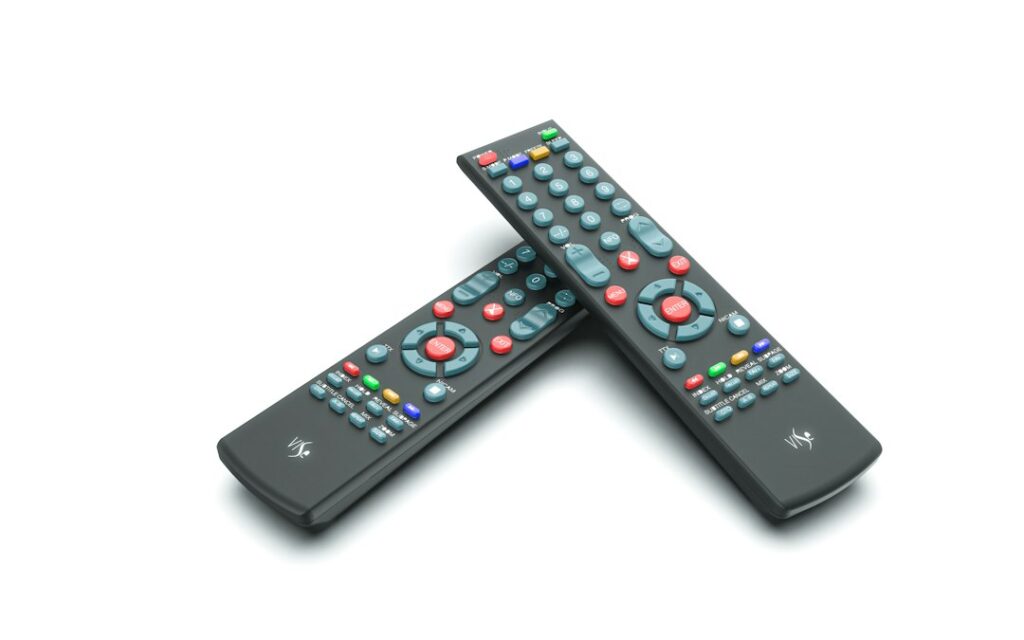
Amazon bundles an Alexa voice remote with dedicated buttons for streaming apps. It feels light in the hand and gets the job done. Apple’s Siri Remote uses a touch-sensitive clickpad and an aluminium build that feels much sturdier. Siri handles searches well across UK platforms, though Alexa integrates deeper into smart home setups if you use smart plugs or bulbs.
Understanding Audio and Visual Formats for Live Broadcasts
Modern live television is evolving beyond standard high definition, with major sports fixtures and special events increasingly broadcast in 4K resolution accompanied by advanced spatial audio formats. When evaluating hardware, it is vital to understand how well each device decodes these heavy data streams in real time. The Apple TV 4K excels in audio-visual synchronization, offering full support for Dolby Atmos soundtracks which are becoming standard for premium sports and cinematic events on platforms like Sky Go and TNT Sports. Meanwhile, the Fire TV Stick 4K Max also supports Dolby Atmos and HDR formats, but its lower memory bandwidth can occasionally lead to minor buffering hiccups when switching rapidly between high-framerate sports channels and standard definition menus. Ensuring your television and soundbar match the output capabilities of your chosen streaming box will dramatically improve your overall viewing immersion, turning your living room into a true home cinema setup without requiring a complicated separate cable box or satellite dish receiver.
Pros and Cons
Amazon Fire TV Stick 4K Max
Pros: Affordable price point, frequent sales, compact form factor, extensive app selection.
Cons: Interface features heavy promotional ads, less internal storage.
Apple TV 4K
Pros: Zero ads on the home screen, premium build quality, robust ethernet port option, fast processor.
Cons: Significantly higher upfront cost, remote takes time to master.
Setup Guidance and Compatibility Notes
Plug either device into a spare HDMI port and connect it to power. Follow the on-screen prompts to sign in with your Amazon or Apple account. Remember that the legality of any stream depends entirely on the service provider holding the correct broadcasting rights in the UK. For a deeper look at alternative hardware configurations, check out this guide on choosing official IPTV hardware in the UK to ensure compliance with local broadcasting standards.
Frequently Asked Questions
Can I install any IPTV app on an Apple TV?
No. You can only download apps that are officially approved and listed on the tvOS App Store.
Do I need a 4K TV to use these devices?
No. Both units work with standard 1080p high-definition televisions by scaling the output automatically.
Does the Fire TV Stick require a monthly fee?
The hardware itself requires no subscription, though individual content providers may charge for their services.
Which device offers better Wi-Fi stability?
Apple TV 4K includes Wi-Fi 6 and an Ethernet port on the higher-end model, making wired connections much easier.
Are these devices legal to use in the UK?
Yes. Both Fire TV devices and Apple TV are completely legal hardware products sold by major retailers.
Can I control smart home devices with the Fire remote?
Yes. Alexa integration lets you control compatible lights, heating, and smart plugs directly.
How much storage do I need for IPTV apps?
Official streaming apps take up very little space, so the base storage on either device is plenty.
Will my remote control my TV’s volume?
Both remotes include infrared emitters to control power and volume on most modern television sets.
For more information, iptv.
Related reading
- Choosing Legal Sports IPTV UK Packages for Match Days
- How to Fix IPTV Audio Out of Sync on UK Smart TVs and Firestick
Update: Best Official Streaming Hardware for Legal IPTV in the UK
Update: What to Expect from an IPTV Subscription UK: Setup, Requirements and Everyday Use
Finding the Right Hardware for Legal Streaming
Choosing the best IPTV devices UK households can buy isn’t about finding a magic box that streams everything for free. It’s about picking reliable hardware that runs official apps smoothly, handles high-definition feeds without stuttering, and fits your living room setup. IPTV is simply a technology delivering television over the internet instead of traditional aerials or cables. Whether it’s legal depends entirely on whether your service provider owns the proper distribution rights.

Hardware performance matters immensely when you’re watching live sports or high-bitrate broadcasts. A sluggish processor will ruin your Friday night football match. Let’s look at how the top streaming boxes and sticks stack up across the UK market.
Amazon Fire TV Stick and Fire TV Cube
Amazon’s lineup dominates UK living rooms because of aggressive pricing and wide availability. The standard Fire TV Stick 4K handles everyday streaming with ease, while the Fire TV Cube offers a faster processor and hands-free Alexa controls. Both run Fire OS, a heavily modified version of Android.
- Operating System: Fire OS (Android-based).
- App Availability: Excellent access to BBC iPlayer, ITVX, Channel 4, and major official subscription apps.
- 4K and HDR Support: Full support for Dolby Vision, HDR10+, and Dolby Atmos on 4K models.
- Connectivity: Wi-Fi 6 on newer variants, with Ethernet requiring a separate adapter for the sticks.
App availability is generally strong here. You won’t find every niche player on the official Amazon Appstore, so check your provider’s requirements first. Remote controls include handy voice buttons, though cheaper models feature basic button layouts. Storage sits around 8GB to 16GB, which fills up fast if you hoard apps.
Android TV and Google TV Boxes
Google TV offers a cleaner, less cluttered interface than Amazon’s ecosystem. Devices like the Chromecast with Google TV and various branded set-top boxes put your content front and centre. They pull recommendations from multiple licensed platforms without pushing commercial clutter into your face.
- Operating System: Google TV or Android TV.
- App Availability: Vast selection via the Google Play Store, including standard UK catch-up services.
- Performance: Quick navigation and solid processing power on mid-to-high tier boxes.
- Setup: Simple pairing with Android phones and Google Home apps.
If you prefer an open ecosystem with side-loading capabilities for custom media players, Android TV ticks the boxes. Privacy controls are standard, allowing you to limit ad tracking in the settings menu.
Apple TV 4K
Apple TV 4K is the luxury option for UK streamers who are already deep into the Apple ecosystem. It packs the A15 Bionic chip inside, making it arguably the snappiest streaming box you can buy today. Menus glide past instantly, and apps open without a second of hesitation.
- Operating System: tvOS.
- App Availability: All major UK TV catch-up platforms and global streaming services are fully supported.
- Networking: High-end Wi-Fi alongside a dedicated Gigabit Ethernet port on the more expensive storage tier.
- Privacy: Apple’s strict privacy framework means fewer targeted adverts compared to free streaming sticks.
The Siri Remote is milled from aluminum and feels premium, though some users find the touch-enabled clickpad frustratingly sensitive. It’s expensive compared to a Fire Stick, but you won’t suffer from random app crashes or laggy menus.
Roku Players
Roku devices keep things simple. The interface hasn’t changed much in years, but that’s a positive for people who hate messy menus. You get a neutral platform that doesn’t favour one specific streaming giant over another.
- Operating System: Roku OS.
- App Availability: Excellent for mainstream UK apps, though third-party app stores are non-existent.
- Remote: Simple, tactile buttons with direct shortcut keys for popular services.
- Security: Locked-down system architecture prevents unauthorized modifications.
Roku works brilliantly if you just want to open BBC iPlayer, Netflix, and NOW without fuss. Power users might find the closed system too restrictive, but families often love the straightforward parental controls and reliable Wi-Fi connections.
Smart TV Built-in Operating Systems
Samsung uses Tizen and LG relies on webOS for their modern smart televisions. These platforms eliminate the need for a separate set-top box cluttering your HDMI ports. You get a single remote and a streamlined setup right out of the box.
App support varies wildly between brands and release years. A Samsung TV from a few years ago might lack newer official streaming applications. Check the manufacturer app store before assuming your TV can run a specific service natively. Wi-Fi and Ethernet options are built-in, though budget smart TVs often feature sluggish processors that lag when loading complex channel guides.
Choosing the Right Device for Your Home
Your ideal hardware choice depends on your budget and existing tech habits. If you want a cheap solution for a spare bedroom, a basic Fire Stick does the job. If you want instant menu responses and premium build quality, spend more on an Apple TV. Always verify that your chosen hardware supports the specific licensed apps you plan to use before handing over your money.
For more information, iptv.
Related reading
- Legal Sports IPTV UK: Evaluating Licensed Channel Packages
- How to Fix Firestick Audio Delay on UK IPTV Channels
Update: Resolving IPTV Login Errors on UK Smart TVs and Firestick
Update: Evaluating Legal Sports IPTV UK Packages for Live Football
- Finding the Right Hardware for Your Living Room
- Operating System and Interface Comparison
- App Availability and Storefronts
- Performance, Storage, and 4K HDR Support
- Connectivity: Wi-Fi and Ethernet Options
- Remote Control Quality and Voice Commands
- Direct Comparison Table
- Setup Guidance and Parental Controls
- Legal Advice and Official Services
- Frequently Asked Questions
- Can I use the same subscription on both devices?
- Do these devices require a TV Licence in the UK?
- Which device lasts longer?
- Does Apple TV support side-loading?
- Which remote is better for older viewers?
- Is ethernet necessary for 4K streaming?
Finding the Right Hardware for Your Living Room
Choosing a proper UK IPTV device often comes down to balancing raw hardware muscle with straightforward software access. Amazon Fire TV sticks sit in millions of British homes because they cost little and fit neatly behind wall-mounted displays. Apple TV 4K boxes cost substantially more, but they bring desktop-grade silicon and a completely ad-free operating system into your lounge. Internet television delivery relies on steady broadband connections, yet the actual viewing experience depends heavily on how well your chosen box handles decoding, menus, and official app updates.
Operating System and Interface Comparison
Fire OS runs on all Amazon hardware. It puts Prime content front and centre. You’ll see sponsored banners every time you boot up the main dashboard. Apple tvOS takes the opposite approach. The interface stays remarkably clean. No pop-up adverts distract you from your downloaded apps and official subscription channels. Fire OS handles sideloading quite easily, though legal users stick entirely to official storefronts. Apple’s ecosystem locks things down tightly. That security pleases privacy advocates, but it means you play strictly by Cupertino rules.
App Availability and Storefronts
Never assume every streaming client works identically across both platforms. Amazon’s Appstore carries mainstream UK catch-up players like BBC iPlayer, ITVX, Channel 4, and My5 alongside major subscription hubs. Apple’s tvOS App Store hosts the exact same official broadcasters. However, niche legal streaming apps sometimes land on Fire OS months before developers code an Apple TV version. Always check the service provider’s official app compatibility list before purchasing hardware.
Performance, Storage, and 4K HDR Support
The Apple TV 4K runs on mobile chips that easily outperform budget streaming sticks. Navigation snaps along without a single stutter. Fire TV devices range from the basic Lite model to the powerful Fire TV Cube. The high-end Cube handles 4K HDR10+ and Dolby Vision smoothly. Budget sticks can occasionally lag when loading heavy guide grids or large channel lists. Storage capacity also differs vastly. Apple starts at 64GB, while basic Fire sticks offer only 8GB.
Connectivity: Wi-Fi and Ethernet Options
Wireless standards matter when you stream live high-definition feeds. Most Fire sticks rely on Wi-Fi, though you can buy an ethernet adapter separately for certain models. The top-tier Apple TV 4K includes a built-in Gigabit ethernet port as standard. If your living room broadband router sits far from the television, a wired connection prevents sudden drops in picture quality during peak evening viewing hours.
Remote Control Quality and Voice Commands
Amazon packs a compact remote with dedicated shortcut buttons for Netflix and Prime Video. Alexa responds quickly to voice requests for launching apps. The Siri Remote on Apple TV features a touch-enabled clickpad that feels genuinely premium in the hand. Aluminium construction beats cheap plastic any day. Both remotes control your television’s power and volume via infrared.
Direct Comparison Table
- Fire TV Stick 4K Max: Quad-core processor, 16GB storage, Wi-Fi 6E, Fire OS, approx £70
- Apple TV 4K (3rd Gen): A15 Bionic chip, 64GB storage, Wi-Fi 6 + Ethernet, tvOS, approx £149
- Fire TV Lite: Budget processor, 8GB storage, Wi-Fi 5, Fire OS, approx £35
Setup Guidance and Parental Controls
Unboxing either device takes minutes. Plug the HDMI cable into your television, connect the power plug, and follow the on-screen prompts. Amazon asks for your regular retail login details immediately. Apple prompts you to tap an iPhone against the box for instant Wi-Fi and account transfer. Parental controls on Apple TV block purchases and restrict content by age rating across all apps universally. Amazon lets you set PIN codes specifically for app downloads and adult content inside individual profiles.
Legal Advice and Official Services
Television delivered over internet protocols remains entirely lawful when broadcasters hold proper distribution rights. Ofcom regulates UK broadcasting standards, ensuring licensed providers meet strict statutory rules. Never install modified software or unverified streaming playlists obtained from social media ads. Stick strictly to officially licensed applications found in the official Amazon Appstore or Apple App Store to stay completely within the law.
Frequently Asked Questions
Can I use the same subscription on both devices?
Yes, most licensed streaming providers let you log into your active account on multiple compatible gadgets.
Do these devices require a TV Licence in the UK?
You need a valid UK TV Licence if you watch live broadcasts on any channel or use BBC iPlayer.
Which device lasts longer?
Apple hardware typically receives software updates for many more years than budget streaming sticks.
Does Apple TV support side-loading?
No, Apple restricts app installation strictly to its curated app store.
Which remote is better for older viewers?
The Fire TV remote offers clearly labelled buttons and straightforward voice search via Alexa.
Is ethernet necessary for 4K streaming?
Good Wi-Fi 6 routers handle 4K streams easily, but ethernet offers maximum stability.
For more information, iptv.
Related reading
- 5 Things to Check Before Buying Legal Sports IPTV UK Services
- How to Fix Buffering and Freezing on UK Smart TV IPTV Apps
Update: Firestick IPTV Connection Guide: Troubleshooting Network Errors in the UK
Update: Legal Sports IPTV UK: Checking Channel Lineups Before You Buy