- 1. Official Broadcaster Rights and Channel Availability
- 2. Hardware Compatibility and Official App Support
- 3. Stream Quality, HD, and 4K UHD Support
- 4. Broadcast Delay and Live Match Timing
- 5. Contract Flexibility and Billing Terms
- 6. Customer Support and Official Help Channels
- Comparison Table: Official Streaming Packages vs Alternative Options
- Pros and Cons of Legal Sports Streaming
- Legal and Licensing Note
- Buying Checklist for UK Sports Fans
- Frequently Asked Questions
- Can I watch every Premier League match with one subscription?
- What internet speed do I need for HD sports streaming?
- Why is my sports stream behind live television?
- Are streaming apps available on Amazon Fire TV sticks?
- Can I pause and rewind live football matches?
Watching live football and rugby matches over broadband connections has changed how households consume entertainment. Traditional satellite dishes and cable boxes face heavy competition from streaming apps running on smart televisions, media players, and mobile devices. Anyone searching for legal sports IPTV UK services needs to understand what separates authorized broadcast platforms from unauthorized alternatives. Official providers secure broadcasting rights directly from sports governing bodies, ensuring reliable streams and compliance with British broadcasting regulations.

Navigating the market requires careful attention to licensing, hardware compatibility, and subscription terms. Broadcasters like Sky Sports, TNT Sports, and the BBC hold specific packages of live match rights. Choosing the right setup depends on your favourite team, your existing broadband speed, and the devices plugged into your living room television. Let us examine six core factors that matter most when evaluating authorized sports streaming options.
1. Official Broadcaster Rights and Channel Availability
Football coverage in Britain remains heavily fragmented across multiple subscription networks. The Premier League splits its live matches between Sky Sports, TNT Sports, and Amazon Prime Video. Scottish Premiership games sit with Sky Sports and BBC Alba, while domestic cup competitions appear across ITV and BBC channels. When you evaluate legal sports IPTV UK packages, verify which exact fixtures appear on each platform.
No single provider holds the complete rights to every single match played across domestic and European leagues. Authorized services clearly list their channel lineups and exact match allocations on their official pricing pages. Check these schedules before committing to a monthly fee, especially if your priority is following a specific club through the entire season.
2. Hardware Compatibility and Official App Support
Your existing hardware dictates how well streaming applications run on your television screen. Popular devices include Amazon Fire TV sticks, Apple TV units, Google TV boxes, and built-in smart TV operating systems like Samsung Tizen or LG webOS. Official apps from major sports broadcasters run natively on these platforms, downloading directly from official app stores without manual side-loading.
Performance issues can occasionally disrupt matchday viewing if hardware lacks processing power. When technical hitlocks occur, consulting a UK IPTV troubleshooting guide helps resolve common app freezing and connection errors. Older streaming sticks might struggle with high-framerate sports broadcasts, making device upgrades a sensible investment for crisp, stutter-free motion during fast-moving football matches.
3. Stream Quality, HD, and 4K UHD Support
Picture quality defines modern sports broadcasting. Watching live football in standard definition looks blurry on large 4K living room panels. Most major official broadcasters now deliver standard HD streams at 50 frames per second, which keeps fast-moving ball trajectories smooth and readable. Select marquee fixtures on top-tier networks also broadcast in 4K Ultra HD with High Dynamic Range enabled.
Achieving stable 4K sports streaming requires robust broadband speeds. British telecommunications regulators note that superfast and ultrafast fibre connections handle high-bitrate video streams without drops in resolution. Check your home router placement and Wi-Fi band stability before paying extra for premium Ultra HD sports add-ons.
4. Broadcast Delay and Live Match Timing
Digital streaming introduces a slight delay compared to traditional terrestrial television signals. Internet streams must travel through packet encoding, content delivery networks, and app buffering processes. This latency usually measures between thirty seconds and a full minute behind live stadium action.
Matchday delays cause frustration if neighbours celebrate a goal before your screen shows the shot. Official streaming apps continuously optimize their delivery pipelines to reduce this lag as much as possible. Premium authorized platforms invest heavily in low-latency infrastructure specifically to keep sports fans synchronized with real-time events.
5. Contract Flexibility and Billing Terms
Sports broadcasting contracts vary wildly across the British market. Some providers lock customers into twelve-month or twenty-four-month agreements, while others offer flexible thirty-day rolling passes. Fans who only watch football during the winter months often prefer rolling monthly options that can be cancelled during the summer off-season.
Always read the cancellation terms and notice periods before entering any agreement. Promotional introductory pricing often jumps to standard rates after the first few months. Calculate the total annual cost rather than focusing solely on the initial monthly headline price.
6. Customer Support and Official Help Channels
Technical glitches happen during high-profile weekend fixtures when millions of concurrent users log into streaming servers. Authorized broadcasters provide dedicated customer support channels, including live web chat, telephone helplines, and comprehensive online help centers.
Independent third-party resellers often lack proper customer service infrastructure, leaving subscribers stranded during critical match moments. Official providers maintain redundant server capacity to handle peak traffic loads during major derbies and international tournaments.
Comparison Table: Official Streaming Packages vs Alternative Options
Here is a breakdown of how authorized sports streaming routes compare across key buying criteria for UK fans.
- Official Broadcaster Apps (Sky/TNT): Full legal compliance, high HD/4K quality, native app support, official customer service, fixed or rolling contracts.
- Broadband Provider Sports Bundles: Consolidated billing, integrated set-top boxes, potential multi-product discounts, dependent on ISP choice.
- Unlicensed IPTV Resellers: High legal risk, zero guarantee of uptime, no consumer rights protection, insecure payment methods.
Pros and Cons of Legal Sports Streaming
Weighing the advantages and drawbacks helps clarify your purchasing decision.
- Pros: Guaranteed stream reliability during major fixtures, crystal-clear HD and 4K picture quality, full consumer protection under UK law, support for official hardware ecosystems.
- Cons: Fragmented rights mean multiple subscriptions are needed for complete coverage, monthly costs add up quickly, broadcast delay compared to terrestrial TV.
Legal and Licensing Note
This article is for general informational purposes only and does not constitute legal or financial advice. All brand names, team names, and broadcaster trademarks mentioned belong to their respective owners, and no direct affiliation is implied. Facts and broadcaster rights were accurate at the time of writing and are subject to future change. This content strictly promotes authorized, licensed viewing methods and does not endorse or facilitate access to unauthorized, pirated, or illegal streaming services.
Buying Checklist for UK Sports Fans
Run through this quick checklist before purchasing your next sports streaming package:
- Confirm which broadcaster holds the rights to your specific team’s matches.
- Test your home broadband speed to ensure it meets HD or 4K streaming requirements.
- Check if your streaming device runs the official provider app natively.
- Review the contract length to decide between rolling monthly passes or annual savings.
Frequently Asked Questions
Can I watch every Premier League match with one subscription?
No single legal provider holds the rights to every Premier League match in the UK. Sky Sports, TNT Sports, and Amazon Prime Video divide the live matches between them.
What internet speed do I need for HD sports streaming?
Most official broadcasters recommend a minimum download speed of around 15 to 25 Mbps for stable high-definition sports streams running at 50 frames per second.
Why is my sports stream behind live television?
Internet streaming relies on data encoding and network routing, which naturally creates a short delay of up to one minute compared to traditional satellite or aerial signals.
Are streaming apps available on Amazon Fire TV sticks?
Yes, major official sports apps download directly from the official Amazon Appstore onto Fire TV sticks and compatible smart televisions.
Can I pause and rewind live football matches?
Most authorized sports streaming platforms allow viewers to pause live matches or restart fixtures from the beginning while the game is still underway.
For more information, iptv.
Related reading
- How to Fix Firestick IPTV Network Errors in the UK
- Clearing Up Common Misconceptions About Setting Up and Using IPTV UK Services
Update: Understanding How IPTV UK Services Deliver Television Over Broadband
Update: Firestick vs Samsung TV IPTV Apps: Fixing Buffering and Freezing
- The Shift from Traditional Broadcasting to Internet Delivery
- Official Broadcaster Apps: Pros and Cons
- Advantages of Official Apps
- Drawbacks of Official Apps
- Licensed IPTV Providers: What to Expect
- Comparison Table: Official Apps vs Licensed IPTV
- Hardware Compatibility and Setup Requirements
- Understanding UK Broadcasting Rights and Licensing
- Your Buying Checklist for Sports Streaming Services
- Frequently Asked Questions
- Can I watch 4K football matches through legal sports IPTV UK services?
- Why do live sports streams have a short delay?
- Do I need a TV licence for streaming live sports online in the UK?
- Are monthly rolling contracts better than annual subscriptions?
- What internet speed do I need for smooth HD sports streaming?
- Can I use my sports streaming subscription while travelling abroad?
- How do I fix minor audio sync issues during a match?
Finding a reliable way to watch every Saturday afternoon fixture without constantly buffering or running into licensing blocks is tough. Millions of fans rely on broadcasting apps, but a growing number are turning toward legal sports IPTV UK services delivered via modern set-top boxes and smart televisions. Official broadcasters hold the primary rights for Premier League, Champions League, and domestic cup matches. Yet, the ecosystem of how we consume television has shifted dramatically away from traditional satellite dishes and coaxial cables.

Internet Protocol Television changes the delivery mechanism entirely. Instead of radio waves hitting a rooftop aerial or a fixed dish, data packets stream straight through your broadband router. For sports enthusiasts, this means high-definition feeds, multi-view options, and seamless app switching. But you need to know what separates a genuine, fully licensed package from an unauthorized stream. Let us walk through how official apps and licensed aggregators stack up against each other.
The Shift from Traditional Broadcasting to Internet Delivery
Traditional terrestrial and satellite television formats are slowly giving way to pure broadband consumption. Sky and TNT Sports now offer app-based memberships that do not require a physical dish installation on your chimney. This transition benefits renters and apartment dwellers who cannot mount hardware outside. You simply download an application, log in with your credentials, and start streaming.
At the same time, independent licensed providers package various authorized feeds into a single interface. These companies negotiate proper retransmission rights with broadcasters. They pay licensing fees to ensure compliance with UK copyright laws. When you subscribe to a legitimate service, you support the sports industry financially. Piracy hurts clubs, grassroots funding, and production quality.
Broadband speeds across the UK have also improved. Superfast fibre connections are standard in most urban areas and increasingly common in rural villages. A stable connection running at thirty megabits per second handles high-definition video effortlessly. Some providers even push 4K ultra-high-definition feeds for marquee fixtures. You do need robust Wi-Fi or, ideally, an ethernet cable plugged straight into your streaming device to avoid packet loss during high-intensity moments.
Official Broadcaster Apps: Pros and Cons
Official apps from major rights holders offer unmatched reliability. They rarely suffer from sudden blackouts or unexpected shutdowns during high-profile derbies. You get official studio analysis, expert punditry, and post-match interviews included in the standard feed.
However, fragmentation remains a massive headache for supporters. Watching a full season of your favourite club often requires separate subscriptions to multiple platforms. One network might hold Saturday lunchtime rights, while another broadcasts midweek evening games. Costs add up quickly when you stack these monthly fees together.
Advantages of Official Apps
- Guaranteed legal compliance and zero risk of sudden service termination.
- Exceptional video quality, frequently supporting 50 frames per second for smooth motion.
- Official catch-up features, full match replays, and dedicated highlight packages.
- Reliable customer support channels and official billing mechanisms.
Drawbacks of Official Apps
- High cumulative cost if you want complete coverage across all competitions.
- Simultaneous stream limitations can frustrate households with multiple sports fans.
- Geoblocking restrictions apply when travelling outside the United Kingdom.
- Interface designs can sometimes feel clunky on third-party hardware.
Licensed IPTV Providers: What to Expect
Independent licensed aggregators operate differently. They bundle various permitted channels into one unified Electronic Programme Guide. Instead of juggling five different apps, you scroll through a traditional channel grid. This layout appeals heavily to older viewers or fans who prefer a familiar television experience.
Before committing any money, it helps to review essential checks before purchasing a licensed package. Legitimate providers will always display clear company registration details, transparent UK VAT pricing, and responsive help desks. If a deal looks too cheap to be true, it almost certainly relies on unauthorized content feeds.
Quality control varies more among independent providers than massive multinational broadcasters. Some smaller networks struggle during peak concurrent viewing windows, such as a busy Saturday at three in the afternoon. Choosing an established, fully compliant provider mitigates most of these performance risks.
Comparison Table: Official Apps vs Licensed IPTV
| Feature | Official Broadcaster Apps | Licensed IPTV Providers |
|---|---|---|
| Channel Layout | App-based on-demand menus | Traditional EPG channel grid |
| Monthly Cost | Varies per network (can be expensive combined) | Often bundled into a single subscription fee |
| Hardware Support | Smart TVs, mobile, selected streaming sticks | Firestick, Android TV, MAG boxes, custom apps |
| Live Match Delay | Standard streaming delay (30-60 seconds) | Depends on source feed, usually comparable |
| Legal Safety | 100% official and fully protected | Safe only if properly licensed and verified |
Hardware Compatibility and Setup Requirements
Your choice of viewing hardware dictates how smoothly your sports streams will run. Modern smart TVs running operating systems like webOS or Tizen handle official applications natively. You do not need any extra boxes cluttering your living room shelf.
External media players offer greater flexibility for dedicated sports enthusiasts. Devices like Amazon Fire TV sticks, Apple TV units, and Android-powered boxes process video streams efficiently. They also receive software updates more frequently than older television sets.
Audio-visual sync is another critical factor. Football requires precise synchronization between commentary and on-pitch action. A delayed audio track ruins the excitement of a last-minute goal. Wired ethernet connections generally eliminate the micro-stutters that plague congested Wi-Fi networks on match days.
Understanding UK Broadcasting Rights and Licensing
Copyright laws in the UK protect sports broadcasts fiercely. Premier League matches enjoy strict legal protection under intellectual property regulations. Broadcasters pay billions of pounds for exclusive transmission windows. This financial model funds the entire football pyramid from top to bottom.
Using unauthorized streams bypasses these commercial structures entirely. Enforcement agencies actively target illegal streaming operations, resulting in sudden server seizures and blocked IP addresses. Sticking strictly to authorized channels ensures uninterrupted viewing without legal anxiety.
Always verify that your chosen provider holds the proper commercial clearance to distribute channels in the UK. Legitimate businesses operate openly with transparent terms of service, registered office addresses, and clear cancellation policies. Transparency is your best defense against rogue operators.
Your Buying Checklist for Sports Streaming Services
Use this practical checklist before entering your payment details for any sports streaming subscription:
- Verify the provider’s official company registration and contact details.
- Check whether the service operates under valid UK broadcasting licenses.
- Test the customer support response time with a simple pre-sale enquiry.
- Confirm compatibility with your current television or streaming hardware.
- Review the cancellation policy and avoid long-term contracts if you prefer flexibility.
- Check simultaneous stream limits if multiple people in your household watch different matches.
Frequently Asked Questions
Can I watch 4K football matches through legal sports IPTV UK services?
Yes, many authorized broadcasters and licensed providers now offer select high-profile fixtures in 4K resolution, provided your internet connection exceeds twenty-five megabits per second and your TV supports the format.
Why do live sports streams have a short delay?
Encoding, digital compression, and network transport add a brief buffering delay of thirty to sixty seconds compared to traditional analogue transmissions.
Do I need a TV licence for streaming live sports online in the UK?
Any live television broadcast watched on any device in the UK requires a valid TV licence, regardless of whether you use a traditional aerial or an internet stream.
Are monthly rolling contracts better than annual subscriptions?
Monthly rolling options offer greater flexibility if you want to pause your subscription during the summer football off-season.
What internet speed do I need for smooth HD sports streaming?
A stable broadband connection of at least fifteen megabits per second is recommended for standard high-definition feeds.
Can I use my sports streaming subscription while travelling abroad?
Most UK subscriptions restrict playback outside the United Kingdom due to strict regional licensing agreements held by sports rights owners.
How do I fix minor audio sync issues during a match?
Restarting your streaming device or clearing the application cache usually resolves temporary audio delay problems.
For more information, iptv.
Related reading
- IPTV Buffering Fixes UK: Step-by-Step Troubleshooting for Smart TVs and Firestick
- Myth vs. Fact: What Actually Happens When You Switch to IPTV UK
Update: How to Test an IPTV Service Before Committing Long Term in the UK
Update: Why Does My Smart TV IPTV App Keep Crashing? (And How to Fix It)
- Decoding the Realities of IPTV UK Technology
- Myth 1: The Technology Itself Is Automatically Illegal
- Myth 2: You Do Not Need a TV Licence If You Only Stream
- Myth 3: Any Internet Speed Can Handle High-Definition Feeds
- Fact: Hardware Choice Drastically Impacts Your Daily Viewing Experience
- Fact: Home Network Architecture Shapes Streaming Stability
- Common Questions About UK IPTV
- Do I need special equipment to get started?
- Why does my picture quality fluctuate during peak times?
- Are free streaming applications safe to use?
Decoding the Realities of IPTV UK Technology
Switching on your television no longer means waiting for a traditional satellite dish or terrestrial aerial to catch your favourite evening programmes. Instead, internet protocol television has completely shifted how households across the country consume live broadcasts and on-demand media. Yet, plenty of confusion still surrounds IPTV UK setups, leaving many viewers unsure about how the underlying technology actually functions.

Regulators like Ofcom monitor modern broadcasting standards closely as digital adoption grows. Despite this oversight, persistent myths keep circulating online. Let’s separate fact from fiction regarding modern streaming methods.
Myth 1: The Technology Itself Is Automatically Illegal
People often assume that using an internet-based television protocol breaks the law. That is completely false. The delivery method is just a network medium, much like fibre broadband carrying your web browsing data or voice calls. Major mainstream broadcasters use this exact infrastructure to stream their output directly to smart devices every single day.
The core distinction lies in authorization and distribution rights rather than the underlying data packets. If a platform holds proper licensing agreements to broadcast specific content, the stream is fully authorized. Problems only arise when unauthorized distributors bypass copyright holders. Understanding how IPTV UK services handle live broadcasting rights helps clarify why legitimate providers operate under strict contractual frameworks.
Furthermore, major telecommunications giants and authorized streaming apps rely entirely on Content Delivery Networks (CDNs) to distribute legal digital signals across the country. These networks optimize traffic routing to ensure that authorized feeds reach millions of concurrent users without packet loss or structural bottlenecks. When consumers choose fully compliant services, they are simply utilizing the modern evolution of traditional cable and satellite distribution, adapted for an era defined by high-speed broadband infrastructure.
Myth 2: You Do Not Need a TV Licence If You Only Stream
Many viewers believe that cutting the cord on traditional aerials completely removes any obligation to hold a television licence. According to TV Licensing regulations, the rules depend entirely on what you watch rather than the gadget you use. If you view live broadcasts on any channel, or consume content on BBC iPlayer, a valid licence remains a legal requirement.
This rule applies equally whether your household receives signals via a rooftop antenna, a cable box, or a fibre broadband connection. Catching up on demand after broadcast transmission sometimes has different rules, but live streams always trigger the licensing requirement.
This legal mandate applies across an expansive array of modern consumer electronics, including smartphones, tablets, desktop computers, games consoles, and dedicated streaming boxes. The defining legal criterion is not the hardware specification or the transmission protocol, but rather the chronological nature of the viewing habit. If content is being watched or recorded live as it is being broadcasted anywhere in the UK, the household must be covered by a valid licence, ensuring that public service broadcasting remains funded regardless of how consumers choose to access their media.
Myth 3: Any Internet Speed Can Handle High-Definition Feeds
Bandwidth matters immensely when you move away from traditional broadcast frequencies. A sluggish ADSL connection from a decade ago will struggle to maintain a stable, high-definition stream during peak evening hours. Modern fibre optic packages provide the steady throughput needed for crisp picture quality.
Dropping frames or experiencing endless buffering usually points back to local network congestion or weak Wi-Fi signals in your living room. Tweaking your hardware setup or switching to an Ethernet cable often solves these performance hiccups instantly. For sports fans preparing for busy weekends, checking out how to configure audio and video settings for live football streaming in the UK can prevent frustrating delays during crucial match moments.
Fact: Hardware Choice Drastically Impacts Your Daily Viewing Experience
Not all connected screens process data with equal efficiency. Older television models running clunky proprietary software often lack the memory capacity required for smooth media playback. Plugging a dedicated media stick into an HDMI port breathes new life into an ageing display.
Processor speeds, RAM allocations, and operating system updates dictate how quickly menus load and streams initialize. Investing in capable hardware ensures your chosen IPTV subscription UK runs without stuttering or unexpected crashes.
Fact: Home Network Architecture Shapes Streaming Stability
Beyond raw internet speed, the way your home network distributes data plays a massive role in your daily viewing experience. Wireless interference from thick walls, neighbouring routers, and household appliances can severely degrade Wi-Fi packet delivery, causing micro-stutters even on fast broadband connections.
Implementing a wired Ethernet connection or upgrading to a modern mesh Wi-Fi system eliminates these local network vulnerabilities. By prioritizing video streaming packets through Quality of Service (QoS) settings on your home router, you can guarantee that live broadcasts receive the necessary bandwidth priority over background downloads or smart home device updates.
Common Questions About UK IPTV
Do I need special equipment to get started?
Usually, a standard broadband connection and a compatible display device are all you need. Most modern smart TVs download official applications directly from their built-in app stores.
Why does my picture quality fluctuate during peak times?
Local internet service provider throttling or congestion on your street cabinet can temporarily reduce available bandwidth. Upgrading your broadband tier often resolves this issue.
Are free streaming applications safe to use?
Official applications provided by licensed broadcasters maintain high security standards. Unverified third-party apps found on unregulated forums often carry security risks or malware.
Getting past the noise lets you enjoy modern television on your own terms. Focus on stable broadband, official apps, and reputable providers to keep your home entertainment setup running smoothly.
For more information, iptv.
Learn more on Wikipedia: ITV (TV network).
Related reading
- How to Set Up Legal IPTV Apps on UK Streaming Devices
- Legal Sports IPTV UK: Choosing Providers with the Best Football Coverage
Update: Choosing Legal Sports IPTV UK Packages for Match Days
Update: Fire TV Stick vs Apple TV: Choosing the Right Official Streaming Hardware for UK IPTV
- Can You Watch Every Premier League Match Live in the UK?
- What Makes Up a Good Legal Sports IPTV UK Package?
- How Can You Compare Legal Sports IPTV UK Providers?
- What Are the Pros and Cons of Official Streaming Apps?
- What Should Your Buying Checklist Include?
- Legal and Licensing Note
- Frequently Asked Questions
- Can I watch football in 4K HDR in the UK?
- Why does my live stream lag behind live radio?
- Can I use one subscription across multiple rooms?
- What internet speed do I need for smooth sports streaming?
- Do I need a TV licence to watch live sports apps?
- How do I stop my stream from buffering on match day?
- Are monthly rolling contracts better than annual plans?
Finding the right way to watch weekend fixtures can feel confusing. You want crystal clear pictures, reliable streams, and zero risk of sudden blackouts. Navigating official broadcasting rights requires a bit of patience because matches are split across multiple networks. Choosing a proper legal sports IPTV UK setup keeps your viewing stable and fully licensed.

Can You Watch Every Premier League Match Live in the UK?
The short answer is no. Domestic broadcasting rules protect stadium attendances through the Saturday afternoon blackout. No broadcaster shows 3 PM kick-offs live inside the UK. Any service promising every single match is likely operating outside official regulations. Official rights holders like Sky Sports, TNT Sports, and Amazon Prime Video split the available televised games between them.
You need multiple subscriptions if you want to catch every televised fixture. That setup gets expensive quickly. Many fans pick the specific channel package covering their favourite team. Knowing who holds the rights for your club helps you save money.
What Makes Up a Good Legal Sports IPTV UK Package?
A solid package offers high-definition streams, reliable uptime during derby days, and proper app support for your smart TV or streaming stick. You should look for services providing stable bitrates rather than empty promises of 4K quality that buffer constantly.
Sound quality matters just as much as picture sharpness. Crowd noise and commentary need to sync properly with the action on screen. If you experience audio drift, you can check guides on how to fix Firestick audio delay on UK IPTV channels to clear up the problem quickly.
Simultaneous streams are another vital factor. Families often want different matches playing in different rooms. Check the device limit before buying a subscription so you don’t run into annoying lockout messages when kick-off arrives.
How Can You Compare Legal Sports IPTV UK Providers?
Comparing providers means looking past flashy marketing slogans. Check the official channel lists carefully. Make sure the provider holds direct distribution partnerships with major broadcasters.
| Provider Type | Typical Cost (PCM) | Key Sports Content | Device Support |
|---|---|---|---|
| Direct Broadcaster App (e.g., Sky Sports) | £20 – £35 | Premier League, EFL, Formula 1 | Smart TVs, Firestick, Mobile |
| Telecom Bundled TV (e.g., EE TV, Virgin) | £40 – £80+ | All major sports channels included | Dedicated set-top box |
| Independent Aggregator App | Varies | Mixed channel offerings | App stores |
What Are the Pros and Cons of Official Streaming Apps?
Weighing up your options helps you avoid buyer’s remorse. Let’s look at the advantages and drawbacks.
Pros
- Guaranteed legal compliance and secure payments.
- Consistent stream stability during high-traffic matches.
- Access to catch-up highlights and full match replays.
- Official customer support channels if things break.
Cons
- High cumulative cost if you buy multiple channel packs.
- Regional blackout restrictions still apply.
- Occasional device compatibility quirks on older hardware.
What Should Your Buying Checklist Include?
Run through this quick checklist before handing over your credit card details:
- Verify the provider is an authorized reseller or direct broadcaster.
- Check your broadband download speed meets minimum HD requirements (around 15 Mbps to 25 Mbps).
- Confirm your streaming hardware runs the official app natively.
- Read the cancellation terms and contract length carefully.
- Test the support response time with a simple pre-sale query.
Legal and Licensing Note
Streaming football in the United Kingdom requires strict adherence to copyright law. Unauthorized services redistribute copyrighted broadcasts illegally. Using official providers protects you from security risks, malware, and sudden service shutdowns. Always verify that your chosen platform pays proper licensing fees to rights holders like the Premier League, EFL, and UEFA.
Frequently Asked Questions
Can I watch football in 4K HDR in the UK?
Yes, selected matches broadcast in Ultra HD on supported devices. You need a 4K television, a compatible streaming box, and a high-tier broadband connection to handle the extra data.
Why does my live stream lag behind live radio?
Digital video encoding takes time. IPTV streams usually sit around 30 to 50 seconds behind traditional terrestrial broadcasts or live stadium sound.
Can I use one subscription across multiple rooms?
It depends on the plan. Standard tiers usually permit one active stream. Premium tiers allow multi-room viewing on separate devices simultaneously.
What internet speed do I need for smooth sports streaming?
A stable connection of 25 Mbps handles standard HD streams comfortably. If you watch 4K content regularly, aim for 50 Mbps or higher.
Do I need a TV licence to watch live sports apps?
Yes. Any live television broadcast viewed online or via an app in the UK requires a valid TV licence.
How do I stop my stream from buffering on match day?
Restart your router, switch from Wi-Fi to an Ethernet cable if possible, and close background apps running on your streaming stick.
Are monthly rolling contracts better than annual plans?
Monthly plans offer flexibility if your team gets relegated or you want to cancel during the summer off-season. Annual plans usually save you money long term.
For more information, iptv.
Related reading
- Comparing Firestick and Smart TV Apps for Legal IPTV Setup and Troubleshooting
- How to Check Your Connection Speed for Smooth UK IPTV Streaming
Update: Understanding How UK IPTV Broadcasters Deliver High-Definition Streams
Update: How to Fix Firestick Buffering During Live UK IPTV Streams
- Navigating Licensed Broadcasters
- Comparing Licensed Channel Packages
- Pros and Cons of Authorised Streaming Passes
- Important Buying Factors
- Legal and Licensing Note
- Your Buying Checklist
- Frequently Asked Questions
- Can I get every Premier League match with one legal subscription?
- What internet speed do I need for HD sports streaming?
- Are contract-free sports passes available?
- Do legal sports IPTV UK services work abroad?
- Why is my official stream lagging behind live radio?
- Can I watch matches on multiple devices at once?
Navigating Licensed Broadcasters
Finding a reliable way to watch weekend fixtures online can feel exhausting. Every season brings new subscription tiers and shifting broadcasting rights across various networks. If you want legal sports IPTV UK packages, you must look directly at officially licensed telecommunications providers and streaming apps. Unlicensed providers often promise everything for a tiny monthly fee, but they disappear overnight and carry severe security risks. Sticking to properly authorised services guarantees stable streams and supports the leagues you love.

Broadcasting rights in the UK are split strictly between major players like Sky Sports, TNT Sports, and the BBC. Amazon Prime Video also holds packages for specific fixture blocks throughout the calendar. Legitimate app-based TV subscriptions from providers such as EE TV or Virgin Media integrate these channels into digital interfaces. You aren’t just paying for a video stream; you’re paying for official access backed by consumer rights and reliable customer support.
Comparing Licensed Channel Packages
Different providers bundle sports channels in distinct ways. Sky Sports offers dedicated channels for Premier League, football, cricket, and F1. TNT Sports covers the Champions League and Premiership rugby. You need to check if your chosen internet television package includes these specific networks before signing a contract. Some providers let you add sports boosts on a monthly rolling basis, which helps during heavy football months.
Price points vary based on whether you bundle broadband with your television service or buy a standalone streaming pass. If you want to understand how different setups compare for daily viewing, check out our guide on understanding IPTV UK frequently asked questions for more background. Standalone passes offer flexibility, while bundled contracts usually lower your overall monthly outgoings if you already need high-speed fibre broadband.
Pros and Cons of Authorised Streaming Passes
Weighing up the advantages and drawbacks of official digital sports packages helps you avoid expensive mistakes.
- Pros: Guaranteed high-definition picture quality, official broadcast stability, legal protection, reliable customer service, and access on verified living room hardware like smart TVs and streaming sticks.
- Cons: High monthly subscription costs, rigid contract lengths for bundled packages, regional blackouts on certain 3 PM Saturday matches, and the need to juggle multiple apps if you want every competition.
Important Buying Factors
Never buy a sports streaming package without examining the fine print. Check the maximum resolution available, as true 4K HDR coverage usually requires specific compatible hardware and higher broadband speeds. Also, look at the simultaneous stream limit if you live in a busy household where someone else might want to watch a different match in another room.
Delay is another technical factor that catches fans out. Official internet feeds often lag behind traditional satellite broadcasts by thirty seconds or more. If your neighbours cheer before your screen shows the goal, that’s normal for web-based streams. You can read more about minimising this lag in our guide covering how to reduce delay when watching live football online.
Legal and Licensing Note
All content distributed by official UK telecommunications providers operates under strict broadcasting regulations set by Ofcom and copyright holders. Using unauthorised M3U playlists or pirated streams violates UK law and can lead to prosecution. Always verify that your chosen television provider holds the correct commercial agreements with rights holders.
Your Buying Checklist
- Confirm the provider holds official broadcast licences for your required sports leagues.
- Check device compatibility with your existing smart TV, tablet, or streaming stick.
- Review contract terms, cancellation fees, and monthly rolling options.
- Test your internet download speed to ensure it meets the minimum requirements for HD or 4K streams.
- Verify simultaneous stream limits for multi-room viewing.
Frequently Asked Questions
Can I get every Premier League match with one legal subscription?
No single legal provider in the UK broadcasts every Premier League match due to rights splitting between Sky Sports, TNT Sports, and Amazon.
What internet speed do I need for HD sports streaming?
You typically need a stable download speed of at least 15 Mbps for reliable HD streaming, and 30 Mbps or higher for 4K.
Are contract-free sports passes available?
Yes, several major streaming services offer monthly rolling passes that you can cancel at any time.
Do legal sports IPTV UK services work abroad?
Most licensed UK streaming apps restrict playback to UK IP addresses due to strict geographic broadcasting rights agreements.
Why is my official stream lagging behind live radio?
Internet streaming protocols require buffering time, causing a slight delay compared to analogue radio or traditional satellite transmissions.
Can I watch matches on multiple devices at once?
This depends entirely on your subscription tier; check your provider’s specific rules on simultaneous screen limits.
For more information, iptv.
Related reading
- How to Fix Firestick Audio Delay on UK IPTV Channels
- Step-by-Step Guide to Testing Internet Speed for UK IPTV
Update: Choosing Between Direct-to-Consumer Apps and IPTV Services in the UK
Update: Resolving IPTV Login Errors on UK Smart TVs and Firestick
- Checking legal sports IPTV UK options before you buy
- 1. Exact channel rights and match coverage
- 2. Device compatibility and app performance
- 3. Stream quality and frame rates
- 4. Contract flexibility and cancellation terms
- 5. Simultaneous streams and multi-room rules
- Comparing major legal streaming options
- Pros and cons of internet sports TV
- Licensing and legal notes
Checking legal sports IPTV UK options before you buy
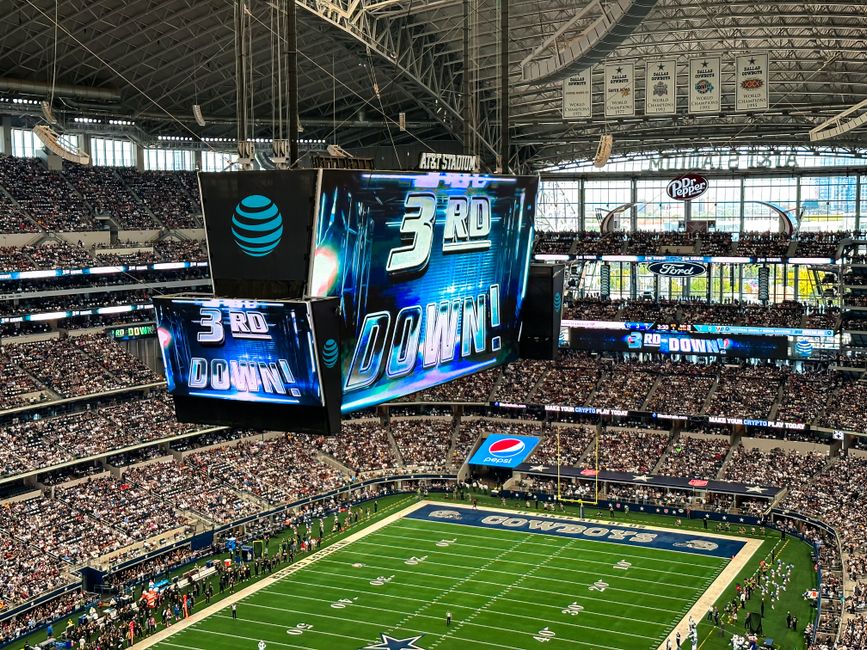
Finding the right broadcast package for weekend matches shouldn’t feel like hard work. Official streaming apps and internet-delivered TV packages give football fans flexible ways to watch live games. But you shouldn’t just grab the first plan you see. A few simple checks will save you money and stop endless frustration on match day. Let’s look at what matters most when picking a provider.
1. Exact channel rights and match coverage
Never assume a provider shows every single fixture. Broadcast rights split games across multiple broadcasters in the UK. Sky Sports, TNT Sports, and the BBC all hold distinct packages. Check the schedule page carefully before you sign up. If you only care about Saturday afternoon 3pm kick-offs, remember that domestic broadcast rules block those entirely anyway. Make sure the service actually carries the specific tournaments you want to follow.
2. Device compatibility and app performance
Your hardware dictates your viewing experience. Some official apps run smoothly on Apple TV and Amazon Fire Stick. Others struggle with older smart TV operating systems. Look at our guide on best low-cost streaming devices for IPTV in the UK to see what hardware handles high-framerate sports best. Check if your current television supports the required app directly. You don’t want to buy extra kit just to watch a derby.
3. Stream quality and frame rates
Watching football requires high frame rates to keep the ball crisp on screen. Low-tier streams often stutter when the camera pans quickly across the pitch. Look for providers offering steady high-definition broadcasts at 50 frames per second. True 4K coverage remains limited to specific marquee fixtures on select platforms. Don’t pay extra for 4K promises unless your broadband speed easily handles heavy data loads.
4. Contract flexibility and cancellation terms
Football seasons run for nine months. Many fans prefer rolling monthly passes over rigid twelve-month commitments. Check the small print for auto-renewal clauses. Some providers lock you into yearly deals with heavy cancellation fees. A monthly rolling subscription gives you freedom to pause your payments during the summer break.
5. Simultaneous streams and multi-room rules
Households rarely agree on what to watch on a Saturday afternoon. One person might want the early kick-off in the living room. Someone else might stream a different match upstairs on a tablet. Check how many simultaneous connections the provider allows on a single account. Exceeding the limit usually blocks your stream right when the whistle blows.
Comparing major legal streaming options
Here is a quick look at how standard licensed options compare for sports fans:
- NOW Sports: Flexible monthly passes, excellent app support, no long-term contracts.
- TNT Sports App: Great for European competitions, integrates with major broadband packages.
- Amazon Prime Video: Seasonal fixture bundles, solid HD quality, tied to standard retail accounts.
Pros and cons of internet sports TV
Weighing up these packages helps you avoid buyer’s remorse:
- Pros: Instant setup without satellite dishes, flexible monthly terms, multi-device viewing.
- Cons: Broadcast delays compared to traditional radio, broadband dependency, fragmented rights across apps.
Licensing and legal notes
Always verify that your chosen provider holds valid commercial agreements with rights holders. Using authorised platforms protects you from sudden service shutdowns and ensures reliable customer support. This article focuses strictly on legitimate, licensed services available to UK residents.
For more information, iptv.
Related reading
- How to Fix Buffering and Freezing on UK Smart TV IPTV Apps
- Questions to ask before buying an IPTV subscription
Update: Choosing Between Dedicated Streaming Apps and IPTV Services for Live Football in the UK
Update: Firestick IPTV Connection Guide: Troubleshooting Network Errors in the UK
- Myth 1: Every Monthly IPTV Package Available in the UK Operates Within the Law
- Fact 1: Legitimate Streaming Comes From Authorized App Providers
- Myth 2: Monthly Rolling Contracts Mean You Can Never Get Locked Into Hidden Fees
- Fact 2: Legitimate Monthly Plans Offer Consumer Protection and Clear Terms
- Myth 3: You Don't Need a TV Licence If You Only Stream via Internet Apps
- Problem and Solution: Navigating the Maze of UK Streaming Options
- What to Look for in a Monthly Plan That Won't Break Broadcasting Rules
- Testing Before You Commit: Evaluating Service Quality Legally
- Frequently Asked Questions
- Are monthly streaming apps legal to use in the UK?
- Why are unofficial monthly packages so much cheaper than legal providers?
- Can I use a VPN to make an illegal streaming service legal?
- How do I know if a streaming provider is authorized in the UK?
Best Legal IPTV Subscription UK Monthly Plans
Finding a reliable legal IPTV subscription isn’t always straightforward. The internet is full of cheap monthly offers promising thousands of channels for pocket change. Most of those deals break copyright laws. If you want to stream television over your broadband connection without risking fines or sudden blackouts, you need to know what separates legitimate broadcasters from unauthorised grey-market resellers.

Broadcasting rights in the UK are strictly controlled. When you pay for a monthly television plan, your money should support the creators, sports leagues, and network operators holding the actual transmission licences. Let’s break down the common myths surrounding internet television packages and look at how legitimate monthly streaming options actually work in the UK today.
Myth 1: Every Monthly IPTV Package Available in the UK Operates Within the Law
Many viewers assume that if an app installs easily on a Firestick, the underlying service must be legal. That assumption causes trouble. Thousands of third-party sellers market cheap monthly playlists containing premium sports, cinema, and international channels.
These operators rarely hold the commercial broadcasting agreements required by UK media authorities. Ofcom regulates broadcast licensing, and legitimate content distribution requires formal authorization from copyright holders. Unauthorised services simply scrape feeds from legitimate platforms and rebroadcast them without permission. When you buy one of these packages, you are paying an unlicensed middleman who could disappear tomorrow.
Fact 1: Legitimate Streaming Comes From Authorized App Providers
A genuine internet television plan comes directly from licensed media companies. Think of services like BBC iPlayer, ITVX, Channel 4, Sky’s Now, or TNT Sports delivered through digital apps. These platforms use internet Protocol Television technology to stream live and on-demand content straight to your Smart TV, tablet, or streaming stick.
They offer transparent monthly rolling contracts. You pay the network, you use their official app, and you receive stable feeds backed by proper customer support. There’s no hidden Telegram group chat for customer service and no sudden server shutdowns on a Saturday afternoon.
Myth 2: Monthly Rolling Contracts Mean You Can Never Get Locked Into Hidden Fees
Flexibility attracts many buyers to short-term streaming packages. Advertisers love to shout about zero-commitment monthly billing. Unfortunately, unlicensed providers often use month-to-month terms to mask unstable infrastructure.
When a shady streaming panel gets shut down by law enforcement or upstream copyright actions, your paid month ends instantly. You lose your money, and you have no consumer rights protection under UK law. You cannot call a customer helpline or claim a refund from your bank easily when you knowingly paid an unregulated overseas crypto-merchant.
Fact 2: Legitimate Monthly Plans Offer Consumer Protection and Clear Terms
Authorized providers operate under Consumer Rights legislation enforced by the Competition and Markets Authority. If you sign up for a monthly streaming pass with a licensed UK provider, your payment is protected. You get clear cancellation terms, transparent billing dates, and reliable uptime guarantees.
Legitimate services invest heavily in their server architecture. They maintain Content Delivery Networks that prevent buffering during major live events. You pay for infrastructure, not just a scraped link copied from a satellite feed.
Myth 3: You Don’t Need a TV Licence If You Only Stream via Internet Apps
A persistent internet myth claims that internet television exempts you from standard UK broadcasting fees. People think that cutting the aerial cord means cutting ties with the television licensing authority entirely.
The rules are quite specific. According to TV Licensing, you need a valid UK television licence if you watch or record programmes as they are being broadcast on any channel, or if you use BBC iPlayer. This applies whether you receive those programmes via traditional rooftop aerials, cable, satellite, or an internet stream.
Problem and Solution: Navigating the Maze of UK Streaming Options
The biggest problem facing modern viewers is choice fatigue mixed with financial pressure. Subscription costs add up fast when you want sports, movies, and entertainment bundles across multiple separate apps.
Consumers often look for all-in-one unofficial packages because buying every legal channel individually costs a small fortune. But solving your entertainment budget by using pirate resellers creates bigger security risks. Stolen payment details, malware-infected app downloads, and sudden service loss outweigh any temporary financial saving.
The practical solution involves curating your monthly subscriptions based on what you actually watch. Instead of paying for a bloated, illegal mega-playlist, mix and match a couple of authorized monthly passes. Cancel them during months when your favourite sports leagues are on summer break. Rotate your streaming services dynamically to keep costs manageable while staying completely on the right side of the law.
What to Look for in a Monthly Plan That Won’t Break Broadcasting Rules
When evaluating legal streaming options for your home setup, check for specific trust signals. Legitimate companies always display clear company registration details, UK contact addresses, and straightforward privacy policies.
Avoid any service that asks for payment exclusively via cryptocurrency, bank wire transfer to an unknown personal account, or obscure gift card codes. Licensed providers accept standard debit and credit cards, PayPal, or direct debit mandates.
Check the app availability. Genuine providers maintain official listings on major app stores like Amazon Appstore, Google Play Store, or Apple App Store. If an app requires sideloading via obscure developer tools just to bypass security warnings, it is rarely a legitimate commercial broadcaster.
Testing Before You Commit: Evaluating Service Quality Legally
Many authorized streaming platforms offer short introductory periods or flexible monthly tiers without cancellation penalties. Before you commit to a long-term habit with any provider, make sure your home broadband can handle the data load.
Live streaming requires consistent download speeds, especially during peak evening hours when neighbourhood network traffic spikes. If you want to test an IPTV provider safely, always use official free trials or short-term monthly passes offered directly through verified app stores.
Never download cracked APK files or trust random links shared on social media forums. Stick to official application marketplaces where app security has been verified by platform operators.
Frequently Asked Questions
Are monthly streaming apps legal to use in the UK?
Yes, as long as the provider holds the correct broadcasting rights for the content they distribute. Official apps from established media networks operate fully within UK law.
Why are unofficial monthly packages so much cheaper than legal providers?
Unauthorised resellers don’t pay billions for sports broadcast rights, licensing fees, or server maintenance. They simply steal existing streams and sell access illegally, which is why they can afford low prices until authorities shut them down.
Can I use a VPN to make an illegal streaming service legal?
No. Using a Virtual Private Network hides your internet traffic from your internet service provider, but it does not change the copyright status of the content you are viewing. Copyright infringement remains illegal regardless of encryption tools used.
How do I know if a streaming provider is authorized in the UK?
Look for official corporate ownership, transparent terms of service, secure payment methods, and presence on official app marketplaces like Google Play or Amazon.
For more information, iptv.
Related reading
Update: IPTV vs Sky Sports for UK football fans
Update: Amazon Fire TV Stick vs Google TV for IPTV
How Premier League Broadcasting Rights Work in the UK
Saturday afternoon blackouts baffle international fans. Yet, this rule remains a staple of domestic football culture. Broadcasters buy specific packages to show matches live across television and digital platforms. The current cycle features matches split between Sky Sports, TNT Sports, and Amazon Prime Video. Each company bids massive sums for exclusive windows. Fans often need multiple subscriptions to catch every game their team plays.

The system protects lower-league attendances. When no top-flight matches air at three o’clock on Saturday, supporters head down to local grounds. Football governance bodies designed this blackout decades ago. It still shapes every broadcast schedule today. Premier League IPTV: What UK Viewers Need to Know covers how fans manage these multi-platform demands using modern media players.
The Current Media Partners and Package Splits
Sky Sports holds the lion’s share of matches. They broadcast Friday night slots, weekend afternoon fixtures, and Monday night football. Their studio pundits dominate Monday night discussions.
TNT Sports steps in with early Saturday kick-offs. They inherited the old BT Sport schedule. Their coverage often pairs with European competition broadcasts.
Amazon Prime Video takes select midweek rounds and festive fixture blocks. These matches stream exclusively through their online platform rather than traditional cable channels. Managing these shifts requires stable broadband speeds and compatible hardware. How Does IPTV Work? Everything UK Viewers Need to Know explains the underlying tech moving these high-definition feeds to living room displays.
The Upcoming Rights Cycle and What Changes for Viewers
New cycles bring fresh competition. Recent auctions secured agreements extending coverage further into the decade. More matches will air live than ever before. Every single weekend fixture outside the Saturday blackout window will find a home on television screens.
Production quality climbs with every new deal. Ultra-high-definition cameras line every stadium roof. Spider cams swoop above the penalty box. Audio engineers capture boot leather striking leather with crystal clarity.
Why Broadcasters Pay Billions for Football Content
Subscribers drive the business model. Live football keeps traditional pay-TV relevant in an era dominated by on-demand movie apps. Advertisers pay top pound for commercial breaks during high-stakes derbies. The financial trickle-down funds youth academies and lower-tier clubs across England.
Even so, rising costs frustrate ordinary supporters. Splitting games across three distinct providers creates heavy monthly bills. Households must weigh the price of multiple sports packages against their entertainment budgets.
For more information, iptv.
Related reading
- M3U Playlist Links vs. XC API Portals: Which Connection Method is Better for IPTV UK?
- How to Set Up IPTV Smarters on Samsung and LG Smart TVs
Update: How to Organise Custom Channel Groups in Smart TV IPTV Apps
Update: Understanding IPTV UK: A Complete Guide to Internet Television Technology