- Myth vs. Fact: Sorting Out Hardware for Legal IPTV Devices UK
- Amazon Fire TV Stick and Cube
- Apple TV 4K
- Android TV and Google TV Boxes
- Hardware Feature Breakdown
- Pros and Cons of Popular UK Streaming Hardware
- Audio and Visual Standards to Consider
- Setup and Compatibility Realities
- Frequently Asked Questions
- What is IPTV?
- Are IPTV devices legal in the UK?
- Do I need a TV licence for IPTV?
- Can I use Ethernet with a Fire Stick?
- Does Apple TV support all UK catch-up apps?
- Why is my stream buffering?
- Are free IPTV apps safe to download?
Myth vs. Fact: Sorting Out Hardware for Legal IPTV Devices UK
People often think any streaming box runs every television app on the market without a hitch. That simply isn’t true. Choosing legal IPTV devices UK shoppers actually rely on means looking closely at what each operating system can handle. You cannot assume an app found on a mobile phone will work smoothly on a living room set-top box.
Another common mix-up involves internet television technology itself. IPTV just means television delivered over the web rather than through traditional aerials or satellite dishes. Whether that stream is legal depends entirely on the broadcaster holding the proper distribution rights. The hardware you plug into your wall has nothing to do with copyright compliance on its own.
Understanding the distinction between open ecosystems and closed platforms is also crucial when evaluating hardware. Open platforms allow side-loading and third-party app installation, which gives advanced users immense flexibility. However, this openness can occasionally expose less tech-savvy users to poorly optimized software or security vulnerabilities. Closed ecosystems, conversely, curate every application rigorously, offering peace of mind and stable performance at the cost of customization freedom.
Amazon Fire TV Stick and Cube
Amazon’s hardware runs Fire OS, which is built on Android. It gives you direct access to the Amazon Appstore. You’ll find mainstream UK catch-up apps like BBC iPlayer, ITVX, and Channel 4 here quite easily. Most models handle 4K streaming and HDR10+ without breaking a sweat. If you want wired internet, you’ll need an ethernet adapter for the standard stick, though the Fire TV Cube includes a port out of the box.
Beyond basic streaming, Amazon devices integrate deeply with Alexa voice controls, allowing you to launch apps, search for specific programmes, and manage smart home devices hands-free. The user interface places a heavy emphasis on Amazon’s own Prime Video content and sponsored banners, which some users find cluttered. Despite this, the sheer affordability and frequent promotional discounts make Amazon hardware one of the most accessible entry points into internet television for UK households.
Apple TV 4K
Apple uses tvOS, offering a clean interface free from heavy sponsored ads. App availability through the App Store is extensive for official services. It boasts top-tier processing power and robust privacy controls. You get rapid performance, crisp 4K Dolby Vision, and a sturdy remote. Ethernet comes standard on the higher-end storage model. It’s an expensive piece of kit, but it lasts.
For households already embedded in the Apple ecosystem, the Apple TV 4K acts as a seamless extension of your iPhone, iPad, or Mac. You can easily AirPlay personal media, share your screen, or route audio directly to AirPods for private late-night viewing without disturbing others. The powerful A-series chips inside these boxes ensure that interface navigation remains lightning-fast, with zero stutter or lag, even years after purchase.
Android TV and Google TV Boxes
Google TV runs on certified hardware like Chromecast or dedicated boxes. The Google Play Store hosts thousands of officially licensed TV apps. You get built-in Chromecast features, voice search via Google Assistant, and solid 4K HDR support. Storage varies wildly by brand, so check the specifications before buying. Many affordable boxes rely on Wi-Fi, leaving ethernet ports off cheaper designs.
Google TV excels at content aggregation, pulling recommendations across multiple subscription services and live TV providers into a single, unified home screen. This means you spend less time jumping between individual apps to find what you want to watch. Certified Google TV devices also benefit from regular security patches and operating system upgrades, ensuring long-term compatibility with evolving streaming standards and security protocols.
Hardware Feature Breakdown
Let’s look at how these major platforms stack up side by side. Specifications can shift when manufacturers release refreshed models, so always verify details before purchasing.
| Device Platform | Operating System | 4K / HDR Support | Ethernet Option |
|---|---|---|---|
| Amazon Fire TV | Fire OS | Yes (select models) | Adapter required (Cube has built-in) |
| Apple TV 4K | tvOS | Yes (Dolby Vision) | Built-in (128GB model) |
| Google TV / Android TV | Google TV | Yes | Varies by manufacturer |
Pros and Cons of Popular UK Streaming Hardware
Every platform comes with distinct trade-offs. Knowing what frustrates users helps you pick the right tool for your lounge.
- Amazon Fire Stick: Cheap and widely available, but the home screen features heavy advertising.
- Apple TV 4K: Premium build and privacy-focused, but carries a steep price tag in GBP.
- Google TV: Highly flexible app choice, but budget boxes often feature sluggish processors and low storage.
Before you commit to a purchase, check out our guide on the best streaming device for IPTV beginners to see which setup matches your technical confidence level.
Audio and Visual Standards to Consider
When selecting your legal streaming hardware, matching your device capabilities to your television and sound system setup is vital. Modern legal streaming platforms support advanced audio formats like Dolby Atmos and DTS, which deliver immersive, cinema-quality soundscapes when paired with compatible soundbars or multi-channel surround sound receivers.
Similarly, visual standards have evolved rapidly. While standard high definition (1080p) remains common, true 4K Ultra HD combined with dynamic metadata formats such as Dolby Vision or HDR10+ ensures stunning contrast, vibrant color accuracy, and deep black levels. Ensuring your chosen hardware supports these standards guarantees you get the absolute best visual fidelity from your modern smart television.
Setup and Compatibility Realities
Getting your hardware running shouldn’t require an engineering degree. Plug your device into an HDMI port, connect power, and follow the on-screen prompts. You will need a stable broadband connection. Wi-Fi works fine for basic HD, but 4K streams benefit massively from a wired ethernet connection where possible.
Never assume a specific third-party media player app will appear in every app store. Licensing rules change frequently. Always check the official app store on the device itself before buying hardware for a specific service.
Frequently Asked Questions
What is IPTV?
IPTV delivers television signals via internet protocols rather than traditional broadcast methods.
Are IPTV devices legal in the UK?
Yes. The hardware itself is completely legal. Legality depends entirely on the content source you use.
Do I need a TV licence for IPTV?
You need a valid UK TV licence if you watch live broadcasts on any channel or use BBC iPlayer.
Can I use Ethernet with a Fire Stick?
Only if you buy an official Ethernet adapter separately, as the base stick lacks a wired port.
Does Apple TV support all UK catch-up apps?
Most major UK broadcasters provide official tvOS apps in the UK App Store.
Why is my stream buffering?
Buffering usually stems from slow broadband speeds or Wi-Fi interference near your television.
Are free IPTV apps safe to download?
Stick to officially verified apps from recognized app stores to protect your device from security risks.
For more information, iptv.
Related reading
- 6 Essential Factors When Buying Legal Sports IPTV UK Subscriptions
- How to Fix Firestick IPTV Network Errors in the UK
Update: Firestick vs Samsung TV IPTV Apps: Fixing Buffering and Freezing
- Which legal IPTV devices UK viewers actually need
- Hardware comparison table for UK streaming boxes
- How do operating systems affect your viewing?
- Pros and cons of popular UK streaming hardware
- Broadband requirements and network optimization
- Setting up your legal streaming device
- Frequently Asked Questions
- Are these streaming devices legal to own in the UK?
- Do I need a TV Licence to watch legal IPTV apps?
- Can I use Ethernet with a Fire TV Stick?
- Why won't my Smart TV download certain apps?
- Does 4K streaming require fast broadband?
- Are parental controls available on all devices?
- How often should I update my streaming hardware?
- What is the easiest device for older family members?
Which legal IPTV devices UK viewers actually need
Finding hardware to stream television over the internet isn’t hard. Picking the right box for legal IPTV devices UK setups takes a bit more thought. You need something reliable, quick, and fully compatible with licensed UK broadcasters.
Internet Protocol Television simply means your TV signal travels through broadband instead of a dish or aerial. Legality depends entirely on who provides the stream. Choosing official apps from the BBC, ITV, Sky, or EE keeps you on the right side of the law.
Let’s look at how the top hardware choices stack up, evaluating not just raw processing power, but also long-term software support, user interface design, and integration with the wider UK smart home ecosystem.
Hardware comparison table for UK streaming boxes
Different operating systems change how you find and install official apps. Here is how the main contenders compare:
- Amazon Fire TV Stick 4K: Fire OS, excellent app availability, 4K HDR support, Wi-Fi 6, good voice control via Alexa, and budget-friendly pricing.
- Apple TV 4K: tvOS, premium app ecosystem, top-tier 4K HDR and Dolby Vision, optional Ethernet port on the high-end model, Siri remote, and powerful performance.
- Google TV Streamer / Chromecast: Android TV, massive app store, 4K support, Ethernet built into the newer dock, Google Assistant, and simple setup.
- Roku Streaming Stick 4K: Roku OS, straightforward interface, 4K HDR, Wi-Fi only, basic remote, and very easy for beginners.
- Smart TVs (Samsung / LG): Tizen or webOS, built-in apps, variable storage, Wi-Fi and Ethernet, limited app sideloading, and convenient all-in-one setup.
How do operating systems affect your viewing?
Your operating system decides what you can download. Android TV and Google TV offer huge flexibility, allowing users to access a massive repository of media players, catch-up services, and international streaming portals. Fire OS uses a heavily customised version of Android with Amazon’s own storefront, which heavily promotes Prime Video and integrated shopping features right alongside your live TV apps.
Apple TV runs tvOS. It locks down the system more tightly for privacy and security, completely eliminating intrusive banner advertisements from the home screen. Samsung and LG use proprietary platforms (Tizen and webOS respectively). They work brilliantly for major catch-up apps like BBC iPlayer, ITVX, and Channel 4, but you won’t find niche third-party players there.
Never assume a device supports every IPTV app. Always check the provider’s official app, the device app store, and current compatibility information before buying hardware. Furthermore, consider how updates are handled; Apple and Google generally roll out system updates and security patches much longer than budget television manufacturers do.
Pros and cons of popular UK streaming hardware
Every box has good points and bad ones. Fire sticks are cheap and portable, making them ideal for traveling or secondary bedroom televisions. However, they can run hot during extended 4K viewing sessions and pack limited internal storage, which means you may need to clear cache data frequently if you install numerous applications.
Apple TV units cost significantly more upfront, often double or triple the price of a basic streaming stick. In return, they reward you with snappy menus, zero advert clutter on the home screen, powerful A-series processors that handle fast-moving sports broadcasts without stutter, and superb privacy settings that prevent aggressive data tracking. Google TV sits comfortably in the middle, offering great voice search integration and a user-friendly recommendation engine that aggregates content across multiple subscription services.
If you want to read more about optimizing your setup, check our guide on how to configure Smart TV IPTV apps for UK broadcasting for practical configuration tips.
Broadband requirements and network optimization
Streaming high-definition and ultra-high-definition television places unique demands on your home network. While a standard definition stream might require only 3 to 5 Mbps, modern 4K HDR broadcasts from UK broadcasters demand a stable, high-speed connection. If multiple family members are gaming, video calling, or downloading large files simultaneously, your IPTV stream can suffer from buffering or sudden drops in resolution.
To avoid these frustrations, ensure your router is placed centrally or consider investing in a mesh Wi-Fi system if you live in a larger property with thick walls. Whenever possible, hardware solutions that support physical Ethernet connections—such as the Apple TV 4K (Wi-Fi + Ethernet model) or the Google TV Streamer—will always provide a more stable, jitter-free transmission pipeline for live sports and rolling news channels compared to wireless alternatives.
Setting up your legal streaming device
Plug your chosen box into an available HDMI port on your television or AV receiver. Connect it to a reliable power source using the provided adapter rather than a low-powered USB port on the TV itself. Follow the on-screen prompts to hook up your home Wi-Fi network and sign in with your user account (such as an Amazon, Apple, or Google ID).
Once logged in, download official broadcaster apps directly from the integrated store. Arrange your favourite channels and streaming portals on the home screen for quick access. Finally, dive into the system settings to configure parental controls, adjust audio output to match your soundbar or surround sound system, and ensure that your display resolution matches the maximum capability of your television screen.
Frequently Asked Questions
Are these streaming devices legal to own in the UK?
Yes. Buying hardware like a Fire Stick or Apple TV is completely legal. Legality relates purely to the software and services you choose to access.
Do I need a TV Licence to watch legal IPTV apps?
Yes. If you watch live television broadcasts or use BBC iPlayer in the UK, a valid TV Licence is required by law.
Can I use Ethernet with a Fire TV Stick?
Standard models use Wi-Fi only. You can buy a separate Ethernet adapter from Amazon to hardwire the connection.
Why won’t my Smart TV download certain apps?
Manufacturer app stores vary. Samsung and LG run different systems from Android TV, meaning some smaller services might not build apps for them.
Does 4K streaming require fast broadband?
Yes. Stable speeds above 25 Mbps are generally recommended for reliable ultra-high-definition streaming without constant quality drops.
Are parental controls available on all devices?
Most modern boxes include built-in PIN locks and content restrictions within their system settings.
How often should I update my streaming hardware?
Manufacturers usually support devices with security patches for several years. Replace them when official software updates stop arriving.
What is the easiest device for older family members?
Roku devices and simplified smart TV interfaces offer straightforward menus with minimal clutter.
For more information, iptv.
Related reading
- Choosing Legal Sports IPTV UK Packages for Saturday 3PM Kick-Offs
- UK IPTV Subtitles Guide: Fixing Language and Text Errors on Firestick and Smart TVs
Update: How to Fix Firestick IPTV Network Errors in the UK
Update: 6 Essential Factors When Buying Legal Sports IPTV UK Subscriptions
- Navigating Legal IPTV Streaming Hardware
- Hardware Comparison: Operating Systems and App Stores
- Performance, Resolution, and Connectivity
- Direct Device Comparison Table
- Pros and Cons of Popular UK Streaming Hardware
- Setup, Voice Control, and Parental Controls
- UK Availability and Warranty Support
- Optimizing Home Network Infrastructure for IPTV
Navigating Legal IPTV Streaming Hardware
Choosing legal IPTV devices UK households can rely on isn’t just about picking the cheapest stick on Amazon. Internet protocol television delivers broadcasts through your broadband connection rather than an aerial or dish. Legality depends entirely on the broadcaster and app you use, not the box sitting under your telly. Official services like BBC iPlayer, ITVX, and Sky Go run smoothly on specific hardware, but performance varies wildly across platforms. You need a setup that handles official streaming apps without crashing.

In the modern British living room, the shift away from traditional linear television toward app-based streaming is virtually complete. Households increasingly rely on fibre broadband connections to stream live news, Premier League football, and on-demand box sets. However, the hardware you plug into your HDMI port acts as the critical bridge between your router and your television screen. A substandard processor or insufficient memory can turn a relaxing evening of entertainment into a frustrating cycle of buffering wheels, audio sync errors, and frozen menus. Investing in capable, certified hardware ensures that licensed content is delivered at its highest possible bitrate, preserving the visual fidelity and audio immersion intended by the broadcasters.
Hardware Comparison: Operating Systems and App Stores
Your streaming experience hinges on the underlying software. Amazon Fire TV devices use Fire OS, a fork of Android. They offer deep integration with Prime Video and host most legal broadcaster apps. Google TV and Android TV boxes provide a cleaner interface with the full Google Play Store. Apple TV relies on tvOS, delivering a snappy, ad-free environment that syncs nicely with iPhones. Smart TV platforms from Samsung and LG run Tizen and webOS respectively. They save you from needing a separate box, but their app stores lack the flexibility of dedicated media players.
App availability is a major stumbling block. Never assume every device supports every service. Always check the provider’s official app requirements before buying hardware. You can learn more about official app ecosystems by comparing official UK sports streaming apps and licensed IPTV providers to see how platforms differ in daily use.
Furthermore, the philosophy behind each operating system dictates how you interact with your media daily. Android-based systems prioritize versatility, allowing side-loading of specialized tools and a high degree of home screen customization. Apple’s tvOS focuses heavily on a curated, streamlined user journey, completely omitting the sponsored banner ads that plague cheaper alternatives. Understanding these software ecosystems helps you avoid frustration, ensuring that your preferred catch-up services, subscription video-on-demand platforms, and niche streaming apps are natively supported without requiring messy workaround solutions like casting from a smartphone or tablet.
Performance, Resolution, and Connectivity
Streaming live 50fps sports or crisp 4K films demands proper horsepower. Apple TV 4K and Nvidia Shield TV lead the pack for sheer speed, loading menus instantly and handling heavy streams effortlessly. Cheaper sticks like the standard Fire TV Stick or Roku Express get the job done for basic HD viewing, but they stutter when pushed hard.
Wi-Fi congestion ruins live broadcasts. Look for devices featuring Ethernet ports or strong Wi-Fi 6 compatibility. If your router sits far from your living room, a wired connection keeps streams stable. HDR10+ and Dolby Vision support also matter if you own a modern telly, making colours pop during evening dramas.
When dealing with high-frame-rate content—crucial for fast-moving sports like football, rugby, and Formula 1—hardware decoding capabilities become paramount. A device must possess a robust graphics processing unit (GPU) capable of rendering 50 frames per second smoothly without introducing motion judder or frame drops. Additionally, audio pass-through support for formats like Dolby Atmos ensures that if you have a connected soundbar or multi-channel surround sound system, you get theater-quality spatial audio accompanying your high-definition broadcasts.
Direct Device Comparison Table
| Device | Operating System | 4K / HDR | Ethernet Option |
|---|---|---|---|
| Amazon Fire TV Cube | Fire OS | Yes (Dolby Vision) | Built-in port |
| Apple TV 4K | tvOS | Yes (Dolby Vision) | Top tier model only |
| Google TV Streamer | Android TV | Yes (HDR10+) | Built-in port |
| Roku Streaming Stick 4K | Roku OS | Yes (HDR10+) | No (Wi-Fi only) |
Pros and Cons of Popular UK Streaming Hardware
Every option comes with trade-offs. Amazon devices are cheap and widely available on the British high street, but their interfaces are packed with sponsored adverts. Apple hardware runs brilliantly and respects user privacy, but the initial purchase price stings. Android TV boxes give you endless customisation, yet menus occasionally feel cluttered.
Smart TVs are convenient because you only need one remote. Their processors often degrade over time, leading to sluggish menus after a couple of years of software updates. Dedicated boxes are easier to replace when technology moves on.
Evaluating the long-term value of these platforms also requires looking at manufacturer update lifecycles. Premium streaming boxes tend to receive critical security patches and operating system upgrades for many years, preserving app compatibility long after purchase. Budget dongles, conversely, may be abandoned by manufacturers much sooner, eventually rendering them incapable of running updated versions of essential UK catch-up apps due to underlying web-engine or security certificate requirements.
Setup, Voice Control, and Parental Controls
Getting started usually takes five minutes. Plug the device into an HDMI port, connect to your home Wi-Fi, and sign into your accounts. Alexa, Google Assistant, and Siri handle voice searches across different platforms, letting you jump straight into live channels without typing. Parental controls let you lock adult content behind a PIN, keeping younger viewers safe.
Modern remote controls have evolved significantly beyond simple infrared clickers, often featuring dedicated shortcut buttons for popular British services like Netflix, Prime Video, or Disney+. Voice integration has also transformed accessibility; instead of navigating complex on-screen keyboards with directional pads, users can simply speak a show title or channel name to initiate immediate playback. Furthermore, robust household management tools ensure that content ratings can be locked down globally across all installed applications, giving parents absolute peace of mind regarding what content is accessible in shared family spaces.
UK Availability and Warranty Support
Buying from established UK retailers guarantees proper consumer rights under the Consumer Rights Act. Currys, Argos, and John Lewis stock certified hardware with standard one-year or two-year warranties. Avoid grey imports from overseas auction sites that lack UK power plugs or local support channels.
Purchasing through authorized domestic distribution channels ensures complete compliance with UK safety standards, including proper CE or UKCA marking on power supplies and plugs. Furthermore, dealing with local customer service desks simplifies returns, repairs, or replacements should a hardware fault develop during the warranty period. Localized plug configurations eliminate the safety hazards and inconvenience associated with travel adapters or unverified third-party power bricks often bundled with grey-market imports sourced from international third-party marketplace sellers.
Optimizing Home Network Infrastructure for IPTV
Even the most advanced streaming hardware will falter if your home network infrastructure cannot sustain consistent data throughput. Live IPTV streams require an uninterrupted, steady stream of packets; unlike downloading a file where temporary speed drops go unnoticed, a momentary dip in your broadband speed during a live broadcast results in annoying buffering spinners or automatic resolution downscaling. Ensuring your broadband package comfortably exceeds the minimum recommendations—typically 25 Mbps for stable 4K streaming—is only the first step. Positioning your Wi-Fi router in an open, central location away from thick interior brick walls, large metallic appliances, and competing wireless networks heavily mitigates packet loss. For ultimate reliability, investing in a mesh Wi-Fi system or running a physical Ethernet cable directly from your router to your streaming box eliminates wireless interference entirely, guaranteeing zero-latency live television delivery throughout your home.
For more information, iptv.
Related reading
- Understanding UK Legal IPTV Service Costs and Contract Options for Sports Fans
- Firestick IPTV Connection Guide: Troubleshooting Network Errors in the UK
Update: Fixing UK Smart TV IPTV App Freezing and Buffering Issues
Update: EE TV vs Sky Stream: Choosing Legal Sports IPTV UK Packages
- Choosing Your UK IPTV Hardware
- Amazon Fire TV Stick and Fire TV Cube
- Pros and Cons of Amazon Fire TV
- Apple TV 4K
- Pros and Cons of Apple TV
- Google TV and Android TV Boxes
- Pros and Cons of Google TV
- Device Comparison Matrix
- Smart TV Platforms: Samsung and LG
- Audio and Visual Standards: Dolby Vision and Atmos
- Setup and Network Considerations
- Frequently Asked Questions
- Do I need a special subscription for UK IPTV hardware?
- Can I watch live BBC channels through these devices?
- Will a cheap Android box work just as well as an Apple TV?
- Do these devices come with built-in VPN support?
- How do I update my streaming apps?
- Are IPTV services legal in the UK?
- Can I use my mobile phone as a remote control?
Choosing Your UK IPTV Hardware
Getting your living room ready for internet television means picking the right box or stick. You don’t just plug anything into a modern UK broadband router and expect flawless playback. Performance hinges on the processor, the operating system, and how well the hardware handles official apps from broadcasters like BBC iPlayer, ITVX, and Channel 4. Furthermore, factors like RAM allocation, video decoding codecs (such as AV1 and HEVC), and thermal throttling play massive roles in determining whether your Friday night movie marathon streams smoothly in 4K HDR or stutters constantly during high-motion sports broadcasts like the Premier League.
We tested various boxes across standard UK fibre connections—ranging from BT and Virgin Media to smaller alt-net providers like CityFibre partners—to see what holds up under peak evening traffic. Let’s look at what works.
Amazon Fire TV Stick and Fire TV Cube
Amazon devices dominate UK living rooms due to low pricing and frequent sales like Prime Day. The Fire TV Stick 4K sits comfortably behind most wall-mounted tellies without drawing attention. Fire OS runs smoothly for most official streaming apps. Side-loading unknown APK files brings security risks and potential software crashes, so stick to the official Amazon Appstore. Under the hood, the newer iterations pack upgraded quad-core processors and Wi-Fi 6 support, which significantly cuts down buffering times when pulling heavy data streams across a busy household network.
Pros and Cons of Amazon Fire TV
- Pros: Affordable entry price, excellent Alexa voice integration, regular software updates, and wide accessory support.
- Cons: The user interface pushes Amazon Prime content heavily, limited internal storage on base models requiring careful app management.
Apple TV 4K
If you live inside the Apple ecosystem, the Apple TV 4K is hard to beat for raw performance. tvOS is entirely ad-free, which makes finding your installed apps a breeze without wading through sponsored banner recommendations. Ethernet ports come on the higher-tier storage model, giving you rock-solid stability for live streams. It also packs the A15 Bionic chip—the same silicon found in iPhones—ensuring that navigating menus, switching between heavy apps, and processing Dolby Vision content happens instantaneously without a hint of lag.
Pros and Cons of Apple TV
- Pros: Incredibly fast processor, no forced banner ads on the home screen, great privacy controls, and seamless integration with AirPods and HomeKit.
- Cons: High upfront cost compared to basic streaming sticks, proprietary remote takes time to master and can be easily lost down the sofa cushions.
Google TV and Android TV Boxes
Chromecast with Google TV brings a clean interface that aggregates content across dozens of UK streaming platforms, saving you from jumping between individual apps. Android TV gives you granular control over app permissions, sideloading trusted utilities, and connecting local network storage via VLC or Kodi. Compatibility depends heavily on the specific manufacturer, as boxes from Google, Nvidia, and various TV brands handle system updates differently, with premium devices seeing much longer support lifecycles.
Pros and Cons of Google TV
- Pros: Huge selection of legal applications in the Play Store, excellent voice search via Google Assistant, and highly customizable home screens.
- Cons: Budget Android boxes can suffer from sluggish menus, poor thermal management, and a lack of official Widevine L1 DRM certifications required for HD/4K playback on major services.
Device Comparison Matrix
| Device | OS | 4K / HDR | Ethernet Option |
|---|---|---|---|
| Amazon Fire TV 4K | Fire OS | Yes | Via Adapter |
| Apple TV 4K | tvOS | Yes | Yes (128GB model) |
| Google TV Streamer | Android TV | Yes | Built-in |
Smart TV Platforms: Samsung and LG
Built-in smart platforms mean one less remote on your coffee table. Samsung uses Tizen, while LG relies on webOS. Both operating systems host all major UK catch-up and live streaming apps. However, processor speeds inside televisions rarely match a dedicated streaming box, so menu navigation can feel slightly less responsive after a few years of software updates and new app feature rollouts. Furthermore, smart TV manufacturers tend to drop support for older panel models much faster than dedicated hardware manufacturers update their standalone set-top boxes.
Audio and Visual Standards: Dolby Vision and Atmos
When evaluating hardware for a modern UK home entertainment setup, visual and audio codecs deserve careful scrutiny. High Dynamic Range (HDR) formats like HDR10+ and Dolby Vision drastically enhance contrast and color grading, making dark scenes in gritty British dramas far more legible. Similarly, spatial audio formats such as Dolby Atmos transform standard living room speaker bars into immersive soundscapes. Premium streaming boxes like the Apple TV 4K handle these passthrough signals effortlessly, whereas cheaper generic sticks often default to basic stereo output, limiting the cinematic potential of your sound system.
Setup and Network Considerations
A reliable Wi-Fi connection matters for high-definition video feeds, especially if other members of your household are simultaneously gaming or working from home. If your router sits far from your television, consider powerline adapters or running a direct Ethernet cable to bypass wireless interference caused by thick walls and competing neighborhood networks. Always check your chosen provider’s official compatibility pages before purchasing new UK IPTV hardware to ensure your specific setup is supported and that your broadband package offers sufficient download speeds—ideally 25 Mbps or higher for uninterrupted 4K streaming.
Frequently Asked Questions
Do I need a special subscription for UK IPTV hardware?
No. The hardware is just a computer that runs apps. You subscribe separately to legal streaming services or use free ad-supported broadcasters.
Can I watch live BBC channels through these devices?
Yes, official apps like BBC iPlayer let you stream live broadcasts, provided you hold a valid UK TV Licence.
Will a cheap Android box work just as well as an Apple TV?
Cheaper boxes often lack proper security certifications, which means popular apps might stream in standard definition rather than crisp 4K.
Do these devices come with built-in VPN support?
Some Android and Fire OS devices allow certified VPN applications from their respective app stores for privacy purposes.
How do I update my streaming apps?
Most devices update apps automatically in the background, but you can check manually through the device’s app store menu.
Are IPTV services legal in the UK?
Internet television technology itself is completely legal. Legality depends entirely on whether the service provider holds the proper broadcasting rights for the content they distribute.
Can I use my mobile phone as a remote control?
Most platforms offer companion mobile apps for iOS and Android that let you type and navigate using your smartphone.
For more information, iptv.
Related reading
- What UK Football Fans Need to Know About Legal Sports IPTV UK Packages
- Why Does My Smart TV IPTV App Keep Crashing? (And How to Fix It)
Update: Firestick IPTV Connection Guide: Troubleshooting Network Errors in the UK
Update: Understanding UK Legal IPTV Service Costs and Contract Options for Sports Fans
- Choosing Legal IPTV Hardware in the UK
- Official Device Comparison
- Hardware Breakdown and Operating Systems
- Step-by-Step Setup Guide
- Pros and Cons of Popular Streaming Platforms
- Compatibility and Legal Realities
- Frequently Asked Questions
- Do I need a TV licence to watch live IPTV in the UK?
- Can I use any IPTV app on an Amazon Fire Stick?
- Does 4K streaming require a fast internet connection?
- Are smart TV built-in apps better than a streaming box?
- How do parental controls work on these devices?
- Can I connect an Ethernet cable to a Roku stick?
- Why is my streaming device running out of storage?
Choosing Legal IPTV Hardware in the UK
Internet Protocol Television delivers live broadcasts and on-demand video straight through your broadband router. When you buy legal IPTV devices UK hardware, you are investing in certified streaming boxes or sticks that run legitimate, licensed apps from broadcasters like BBC iPlayer, ITVX, and Sky’s NOW service. Performance depends heavily on the operating system, the processor speed, and your home Wi-Fi setup.
Many people struggle to pick the right gadget because specifications vary wildly across brands. You need a device that handles 4K resolution smoothly, connects easily to your television via HDMI, and supports official application stores without needing risky modifications or unknown APK downloads.
Official Device Comparison
| Device | Operating System | 4K/HDR Support | Ethernet Option |
|---|---|---|---|
| Amazon Fire TV Cube | Fire OS | Yes (Dolby Vision) | Built-in port |
| Apple TV 4K | tvOS | Yes (HDR10+) | Gigabit port (top model) |
| Google TV Streamer | Android TV | Yes (Dolby Vision) | Built-in port |
| Roku Streaming Stick 4K | Roku OS | Yes (HDR10+) | Wi-Fi only |
| Samsung Smart TV | Tizen | Yes (Model dependent) | Built-in port |
Every listed brand provides reliable access to major British television networks through their respective app stores. Let’s look closer at how these platforms handle daily streaming demands, storage limits, and voice controls.
Hardware Breakdown and Operating Systems
The software running your chosen hardware dictates how easily you can install official television applications. Apple TV relies on tvOS, offering a clean, ad-free interface with robust privacy controls. Amazon Fire TV devices use Fire OS, an Android derivative heavily integrated with Prime Video recommendations. Google TV powers modern Chromecast replacements and Sony televisions, featuring a very flexible app store.
Storage capacity matters when you download multiple catch-up apps. Budget sticks often feature 8GB of internal storage, which fills up fast if you cache large video files. Premium boxes like the Apple TV 4K or Fire TV Cube usually offer 32GB to 64GB of space, leaving plenty of room for utilities and games. Wi-Fi performance also varies. If your router sits far from the living room, look for hardware that includes an Ethernet port or supports Wi-Fi 6 for stable high-definition streams.
Remote controls range from simple clickers with five buttons to backlit handsets with built-in microphones for Alexa or Google Assistant. If you frequently watch live sports, a responsive remote with dedicated channel guides or quick-launch buttons makes navigation much faster.
Step-by-Step Setup Guide
Getting your new streaming hardware up and running takes just a few minutes if you follow a clear sequence.
- Unbox your streaming device and plug the included HDMI cable directly into an available port on your television.
- Connect the power adapter to a wall socket and plug the power cable into the back of your streaming box or stick.
- Switch your television input to the correct HDMI channel using your TV remote.
- Follow the on-screen prompts to connect to your home Wi-Fi network or plug in an Ethernet cable for a wired connection.
- Sign in with your user account (such as an Apple ID or Amazon account) to access the official app store.
- Download the licensed streaming applications you need, such as BBC iPlayer, Channel 4, or ITVX, and log in with your valid subscription details.
Once configured, check your display settings to ensure the output matches your television’s maximum resolution. You can learn more about finding the right hardware features by reading our guide on legal IPTV devices UK official hardware buying guide for additional purchasing tips.
Pros and Cons of Popular Streaming Platforms
Every hardware ecosystem comes with distinct advantages and drawbacks. Apple TV delivers top-tier processing speeds and excellent privacy protection, but it carries a higher upfront cost than standard USB sticks. Amazon Fire devices offer frequent discounts and deep Alexa integration, though the user interface displays prominent sponsored advertisements.
Google TV provides incredible flexibility and a massive library of official apps, but cheaper budget dongles can sometimes feel sluggish when switching between heavy applications. Samsung and LG smart television platforms save you from buying an external box, but built-in operating systems rarely receive software updates for as many years as dedicated streaming hardware.
Compatibility and Legal Realities
Legitimate broadcasting technology relies on proper content distribution rights. When you use legal IPTV devices, you are simply viewing television streams delivered over your internet connection by authorised providers who hold valid broadcasting licences. Ofcom regulates UK television services, and using official apps ensures you stay within UK copyright laws.
Never assume that every application works identically across all hardware. App availability changes frequently as broadcasters update their software agreements. Always check the provider’s official website and your device’s app store before purchasing a new subscription.
Frequently Asked Questions
Do I need a TV licence to watch live IPTV in the UK?
Yes. If you watch live television broadcasts on any online service, including BBC iPlayer or live streams via official apps, UK law requires you to hold a valid TV licence.
Can I use any IPTV app on an Amazon Fire Stick?
You can only download applications that are officially approved and hosted on the Amazon Appstore. Avoid sideloading unknown files or modified software.
Does 4K streaming require a fast internet connection?
Yes. Streaming ultra-high-definition video typically requires a reliable broadband speed of at least 25 Mbps to prevent stuttering or resolution drops.
Are smart TV built-in apps better than a streaming box?
Dedicated boxes usually feature faster processors and receive software updates for longer periods than most integrated smart television operating systems.
How do parental controls work on these devices?
Most platforms allow you to set PIN codes and restrict app downloads based on age ratings through the main system settings menu.
Can I connect an Ethernet cable to a Roku stick?
Standard Roku sticks rely entirely on Wi-Fi, though some advanced Roku set-top boxes include physical Ethernet ports for wired networking.
Why is my streaming device running out of storage?
Cached video data, unused applications, and system updates gradually fill internal storage. Uninstalling apps you no longer use frees up space quickly.
For more information, iptv.
Related reading
- Comparing Official UK Sports Streaming Apps and Licensed IPTV Providers
- IPTV Buffering Fixes UK: Step-by-Step Troubleshooting for Smart TVs and Firestick
Update: Why Does My Smart TV IPTV App Keep Crashing? (And How to Fix It)
Update: What UK Football Fans Need to Know About Legal Sports IPTV UK Packages
- Choosing the Right Hardware for Legal IPTV Streaming
- Amazon Fire TV Stick and Fire TV Cube
- Apple TV 4K
- Android TV and Google TV Players
- Smart TV Built-in Platforms: Samsung and LG
- Evaluating Your Home Network Capabilities
- Hardware Comparison Breakdown
- Parental Controls, Security, and Privacy
- Frequently Asked Questions
- Do I need a TV licence for IPTV in the UK?
- Can I use any IPTV app on a Fire TV Stick?
- Why does my stream lag during peak match times?
- Are Android TV boxes legal to buy?
- Does Apple TV support 4K streaming?
- How do I update my streaming apps?
- Is an ethernet connection better than Wi-Fi?
Choosing the Right Hardware for Legal IPTV Streaming
Finding reliable legal IPTV devices UK shoppers can trust starts with looking beyond flashy marketing. IPTV delivers television signals over broadband internet rather than traditional satellite dishes or aerials. Ofcom notes that internet-based viewing continues to grow across British households. However, the hardware you pick dictates your daily streaming experience.

You need a box or stick that handles official apps smoothly. Not all hardware supports every service. Let’s break down the main contenders on the market right now.
Amazon Fire TV Stick and Fire TV Cube
Amazon’s hardware dominates living rooms across the UK. The Fire TV Stick 4K and Fire TV Cube run on Fire OS, an offshoot of Android. You’ll find most major UK catch-up apps alongside official provider software in the Amazon Appstore. They support Dolby Vision and Dolby Atmos where available.
Storage is tight on the cheaper sticks. You might run out of space if you install too many large apps. Ethernet adapters are sold separately for basic models, but the Cube includes an ethernet port out of the box. Alexa integration works well for hands-free voice commands.
Apple TV 4K
If you live inside the Apple ecosystem, the Apple TV 4K offers unmatched processing muscle. tvOS lacks the clutter found on other platforms. Official apps launch instantly because of the A15 Bionic chip inside. It handles high bitrate streams without breaking a sweat.
You get both Wi-Fi 6 and a gigabit ethernet port on the higher-end version. The Siri Remote feels premium, though its touch surface frustratingly divides some users. Price remains the main hurdle. Apple hardware costs significantly more than a standard streaming stick, making it an investment reserved for enthusiasts who prioritize seamless performance and zero interface lag above all else.
Android TV and Google TV Players
Devices powered by Google TV, including Chromecast and various set-top boxes, offer massive app flexibility. The Google Play Store hosts a wide variety of official media players. You won’t struggle to find compatible software for legitimate subscription services.
Performance varies wildly depending on what you buy. Cheap generic boxes often cut corners on processors and Wi-Fi chips. Stick to established brands like Google or Nvidia for reliable updates and security patches.
Smart TV Built-in Platforms: Samsung and LG
Many viewers skip external hardware entirely. Samsung uses Tizen OS, while LG relies on webOS. Both operating systems feature built-in app stores loaded with mainstream UK broadcasting apps. Setup involves plugging in your aerial and connecting to your router.
Remote controls are functional, though pointer remotes on LG sets divide opinion. Processor speeds inside televisions rarely match dedicated media players. Older smart TVs often stop receiving app updates after a few years.
Evaluating Your Home Network Capabilities
Even the most powerful streaming hardware will struggle if your home network cannot sustain consistent data delivery. When streaming live high-definition or 4K content, packet loss and jitter can introduce stuttering or sudden drops in resolution. British broadband providers offer various fiber packages, but actual throughput often depends on peak evening usage in your neighborhood. To ensure an optimal viewing environment, run speed tests directly from your streaming device’s diagnostic menu. If your router sits far from your television, investing in a mesh Wi-Fi system or running a physical Cat6 ethernet cable can dramatically improve stream stability. Addressing these foundational network variables prevents frustrating buffering screens right in the middle of crucial live broadcasts.
Hardware Comparison Breakdown
Comparing legal IPTV devices UK buyers look at reveals distinct trade-offs. Here is how the major categories stack up based on hardware specifications and everyday performance.
- Amazon Fire TV: Affordable, great voice control, but limited internal storage on entry-level models.
- Apple TV 4K: Premium build, exceptionally fast, but carries a high retail price tag.
- Google TV / Android TV: Huge app selection, flexible interface, variable quality on budget hardware.
- Smart TV Apps: No extra box needed, clutter-free setup, but prone to slower software lifespans.
When you’re setting up your chosen hardware, make sure your broadband connection meets high-definition demands. Match your device capabilities with our guide on how to set up IPTV on your smart tv in the uk for step-by-step instructions. Check the provider’s official compatibility page before committing your cash.
Parental Controls, Security, and Privacy
Official hardware includes robust parental control settings. You can lock mature content behind a PIN code. Regular security updates protect your home network from vulnerabilities. Avoid unverified devices that lack proper certification from major tech firms.
Frequently Asked Questions
Do I need a TV licence for IPTV in the UK?
Yes. If you watch live television broadcasts or use BBC iPlayer on any device, UK law requires a valid TV licence.
Can I use any IPTV app on a Fire TV Stick?
No. You must download applications officially supported by your provider and available through certified app stores.
Why does my stream lag during peak match times?
Network congestion often causes drops. Using an ethernet cable instead of Wi-Fi usually fixes local connection bottlenecks.
Are Android TV boxes legal to buy?
Yes. Hardware like the Google Chromecast or Nvidia Shield is entirely legal. Legality depends strictly on the content service you access.
Does Apple TV support 4K streaming?
Yes. The Apple TV 4K model supports ultra-high-definition playback alongside HDR10+ and Dolby Vision formats.
How do I update my streaming apps?
Most devices update applications automatically in the background. You can also trigger manual updates through the device app store.
Is an ethernet connection better than Wi-Fi?
Ethernet provides a stable wired connection that eliminates wireless interference during high-bandwidth live broadcasts.
For more information, iptv.
Related reading
- How to Check Legal Sports IPTV UK Packages Before Buying
- Smart TV IPTV Playlist Loading Issues and How: A Practical UK Fix Guide
Update: IPTV Buffering Fixes UK: Step-by-Step Troubleshooting for Smart TVs and Firestick
Update: Comparing Official UK Sports Streaming Apps and Licensed IPTV Providers
- Direct Answer
- Understanding IPTV Technology in the UK
- Evaluating Operating Systems and App Availability
- Hardware Performance: 4K, Storage, and Ethernet
- UK Streaming Device Comparison
- Pros and Cons of Popular UK Options
- Setup Guidance and Compatibility Notes
- Legal Advice and Official Broadcasting Rights
- Frequently Asked Questions
- Can I use my smartphone as an IPTV remote?
- Do I need a 4K television to use these streaming devices?
- Why does my streaming stick run out of storage?
- Are wired Ethernet connections better than Wi-Fi?
- Can I watch UK catch-up TV on imported streaming boxes?
- Do streaming devices require a TV licence in the UK?
- How often should I update my streaming hardware?
Direct Answer
Choosing legal IPTV hardware in the UK depends on your television setup, preferred operating system, and the official app store availability of your licensed streaming provider. Devices like the Amazon Fire TV Stick, Apple TV 4K, and Google TV streamers offer robust performance for running authorised television apps over broadband connections.

Television has shifted away from aerials and dishes toward internet delivery. Millions of households across the UK now stream their favourite channels via broadband. This technology is known as IPTV, which stands for Internet Protocol Television. It simply means your television signal arrives through your internet router instead of a traditional broadcast cable.
Yet, buying the right equipment can feel confusing. Do you need a dedicated box or just a small stick plugged into the back of your screen? Will your current television remote work with it? Finding the right gear requires looking past the marketing jargon and examining the technical specs that actually matter for daily viewing.
Understanding IPTV Technology in the UK
Internet television isn’t entirely new. Catch-up players like BBC iPlayer and ITVX use internet streaming daily. Commercial subscription services also rely on this method to deliver live sports, news, and entertainment straight to your living room.
Your internet service provider supplies the bandwidth. A standard fibre connection easily handles high-definition streams. If you want ultra-high-definition broadcasts, your broadband speed becomes even more crucial. Wired Ethernet connections often provide a steadier stream than Wi-Fi. If your router sits far from your television, fixing IPTV buffering issues usually starts with checking your local network layout rather than replacing your hardware.
Hardware acts as the translator. It decodes the data packets coming through your router and turns them into smooth video and audio. Cheap hardware often stutters under heavy processing loads. Investing in a capable processor keeps your menus snappy and your live feeds stable.
Evaluating Operating Systems and App Availability
Software dictates your entire user experience. Android TV and Google TV dominate the market because they offer immense flexibility. You can install thousands of official applications directly from the Google Play Store.
Amazon uses a modified version of Android called Fire OS. While most major broadcasting apps appear on the Amazon Appstore, some regional or niche services might take longer to arrive. Apple TV runs tvOS. It delivers a clean, ad-free interface and integrates tightly with Apple services, though hardware costs sit significantly higher than typical streaming sticks.
Smart television manufacturers build their own operating systems. Samsung uses Tizen, while LG relies on webOS. These platforms work brilliantly for mainstream apps like Netflix and Disney+. However, their app stores are closed ecosystems. If a specific provider doesn’t write an app for Tizen or webOS, you cannot install it without plugging in an external media player.
Hardware Performance: 4K, Storage, and Ethernet
Resolution matters. Most modern streams support 1080p Full HD, but major sports broadcasters increasingly push 4K HDR feeds. Ensure your chosen device supports HDR10, HDR10+, and Dolby Vision if your television does.
Storage space frequently gets overlooked. Cheap streaming sticks often ship with 8GB of internal storage. Operating system updates and cached app data quickly fill that space. Look for devices offering 16GB or more if you plan to install numerous applications.
Ethernet ports are rare on entry-level sticks. You usually need to buy a separate adapter if you prefer a wired cable connection over Wi-Fi. Premium boxes like the Apple TV 4K or Fire TV Cube include built-in Ethernet ports right out of the box.
UK Streaming Device Comparison
| Device | Operating System | 4K Support | Ethernet | Approx. UK Price (2026) |
|---|---|---|---|---|
| Amazon Fire TV Stick 4K | Fire OS | Yes | Via Adapter | £60 |
| Google TV Streamer | Google TV | Yes | Built-in | £100 |
| Apple TV 4K | tvOS | Yes | Built-in (Top Model) | £149 |
| Roku Streaming Stick 4K | Roku OS | Yes | No | £50 |
| Nvidia Shield TV Pro | Android TV | Yes | Built-in | £199 |
Pros and Cons of Popular UK Options
Amazon devices represent fantastic value for money. They frequently go on sale during major shopping events. The remote controls include handy voice search buttons. On the downside, the user interface features prominent promotional banners for Amazon Prime content.
Apple hardware delivers unmatched processing speed and privacy features. There are no intrusive advertisements on the home screen. Still, the remote design attracts criticism for being slippery, and the initial purchase price is tough to swallow for casual viewers.
Google TV bridges the gap nicely. The interface aggregates content recommendations from multiple subscriptions into one tidy screen. Hardware performance on newer Google devices matches high-end competitors without demanding premium prices.
Setup Guidance and Compatibility Notes
Plug your chosen media player into an available HDMI port on your television. Connect the power cable to a wall socket rather than a television USB port. Wall power provides a stable electrical current, preventing random crashes.
Connect to your home Wi-Fi network or plug in your Ethernet cable. Sign in with your account credentials. Navigate to the device app store and search for your provider’s official application.
Never assume a device runs every app under the sun. Always verify compatibility on the official service provider website before buying new hardware. App availability changes as companies update their software agreements.
Legal Advice and Official Broadcasting Rights
Internet television technology itself is completely legal. Broadcasters use it to deliver content globally. Legality depends entirely on the source of the broadcast.
Always use officially licensed applications distributed through official app stores. Avoid third-party APK files found on random forums. Unauthorised streams violate copyright laws and expose your network to security risks. Stick to legitimate subscriptions backed by proper broadcast rights in the UK.
Frequently Asked Questions
Can I use my smartphone as an IPTV remote?
Yes. Most major streaming platforms offer companion apps for iOS and Android. These apps let you type passwords easily and control playback without traditional clickers.
Do I need a 4K television to use these streaming devices?
No. 4K devices automatically downscale video streams to match 1080p or 720p screens. You can upgrade your hardware now and buy a new television later.
Why does my streaming stick run out of storage?
Operating systems and automatic cache updates consume internal space quickly. Clearing app data in the device settings recovers valuable gigabytes.
Are wired Ethernet connections better than Wi-Fi?
Ethernet cables eliminate wireless interference and signal dropouts. They provide a reliable data flow, which helps prevent video stutter during live broadcasts.
Can I watch UK catch-up TV on imported streaming boxes?
Some imported devices lack region-specific licensing for UK catch-up players. Buy hardware intended for the British market to ensure full app availability.
Do streaming devices require a TV licence in the UK?
Watching live television broadcasts or BBC iPlayer on any device requires a valid UK TV licence. On-demand services like Netflix operate under different rules.
How often should I update my streaming hardware?
Manufacturers typically support devices with security updates for four to five years. Once software updates stop, performance may degrade.
For more information, iptv.
Related reading
- How to Choose Legal Sports IPTV UK Packages for Saturday Kickoffs
- How to Fix IPTV Sound Delays on Firestick and Smart TVs
Update: Smart TV IPTV Playlist Loading Issues and How: A Practical UK Fix Guide
Update: How to Check Legal Sports IPTV UK Packages Before Buying
- Choosing Legal IPTV Devices UK Buyers Actually Need
- Amazon Fire TV Stick 4K Max and Fire TV Cube
- Apple TV 4K
- Google TV Streamer and Chromecast
- Roku Streaming Stick 4K
- Smart TV Platforms: Samsung Tizen and LG webOS
- Device Comparison Table
- Pros and Cons of Dedicated Streaming Hardware
- Setup Guidance and Compatibility Notes
Choosing Legal IPTV Devices UK Buyers Actually Need
Streaming television over the internet has changed how we watch live channels across the country. But finding the right hardware for legal IPTV devices UK households can rely on isn’t always straightforward. You need a streaming box or stick that handles official applications smoothly, connects to your home broadband without dropping packets, and outputs crisp 4K pictures to your television. Legality depends entirely on the service provider holding proper broadcast rights, while the hardware itself is just a tool to run licensed apps.

We will break down the top streaming hardware available in the UK right now. We will look at operating systems, app availability, and everyday performance so you can make an informed choice.
Amazon Fire TV Stick 4K Max and Fire TV Cube
Amazon’s Fire TV lineup dominates living rooms across the UK. The Fire TV Stick 4K Max runs Fire OS, which is built on Android. App availability is massive, covering every major UK broadcaster and licensed streaming service. Performance is snappy, and Wi-Fi 6E support keeps live streams stable if your router is in another room. If you want a more robust setup, the Fire TV Cube adds an Ethernet port directly into the box, skipping Wi-Fi dropouts entirely.
Remote control quality is solid, featuring dedicated buttons for popular apps and reliable Alexa voice control. Storage is modest at 16GB on newer models, but it’s plenty for official apps. If an app freezes, you can easily clear your app cache on Android TV or Fire OS devices to get things running smoothly again.
Apple TV 4K
If you live inside the Apple ecosystem, the Apple TV 4K is hard to beat. tvOS offers a clean, ad-free interface that puts your content front and centre. It supports Dolby Vision, HDR10+, and Dolby Atmos audio. Performance is powered by high-end mobile silicon, meaning apps open instantly and live feeds never stutter.
The Siri Remote is a premium aluminium design with a touch-enabled clickpad. You get a choice of 64GB or 128GB of storage. The top-tier model also includes a Gigabit Ethernet port alongside Wi-Fi 6. Setup is wonderfully simple if you own an iPhone, as your Wi-Fi credentials transfer over automatically. Parental controls are robust, and privacy standards are among the strictest in the industry.
Google TV Streamer and Chromecast
Google TV replaced traditional Chromecast dongles with a dedicated set-top box approach. The interface aggregates content from multiple licensed apps neatly on your home screen. Android TV forms the backbone here, meaning you have access to the Google Play Store for all official streaming applications.
Voice control via Google Assistant works well through the included remote. The box includes an Ethernet port, which helps avoid local network congestion during peak viewing hours. 4K HDR support is standard, and setup takes just a few minutes using the Google Home app on your phone. For more details on how network speed impacts your viewing, check out our guide on evaluating internet speeds for legal sports IPTV UK.
Roku Streaming Stick 4K
Roku remains a favourite for simplicity. Roku OS avoids pushing any specific ecosystem, giving you a neutral grid of tiles for your apps. The remote is lightweight and straightforward, though it lacks advanced backlighting. App availability for UK catch-up services and licensed IPTV apps is comprehensive.
Wi-Fi performance is reliable thanks to a long-range receiver built into the power cable. However, Roku devices do not offer a built-in Ethernet port, so you rely entirely on your wireless network. Storage management happens automatically in the background, requiring zero user intervention. Parental controls let you lock content by ratings easily.
Smart TV Platforms: Samsung Tizen and LG webOS
Buying a standalone box isn’t always necessary if your television runs a modern smart platform. Samsung uses Tizen, while LG relies on webOS. Both operating systems feature built-in app stores loaded with official UK TV apps and licensed streaming services.
Performance varies based on your TV’s internal processor. Budget models can feel sluggish when switching between heavy live streams, while flagship OLEDs handle everything effortlessly. Wi-Fi and Ethernet options depend on the specific television model. If your smart TV starts lagging during live playback, you might need a UK smart TV IPTV app freezing troubleshooting guide to clear out temporary bugs.
Device Comparison Table
| Device | OS | 4K Support | Ethernet | Approx. Price (UK) |
|---|---|---|---|---|
| Amazon Fire TV Stick 4K Max | Fire OS | Yes (Dolby Vision) | No (Adapter required) | £70 |
| Apple TV 4K (Wi-Fi + Ethernet) | tvOS | Yes (Dolby Vision) | Yes (Gigabit) | £149 |
| Google TV Streamer | Android TV | Yes (HDR10+) | Yes | £99 |
| Roku Streaming Stick 4K | Roku OS | Yes (Dolby Vision) | No | £50 |
Pros and Cons of Dedicated Streaming Hardware
Dedicated media players like the Apple TV or Fire Cube generally outperform built-in smart TV software. They receive software updates for longer periods, and replacing a £70 streaming stick is much cheaper than buying a brand-new television when apps stop updating.
On the downside, adding another box to your TV cabinet means extra power cables and remote clutter. Smart TVs keep things tidy, but their operating systems often slow down after a few years of heavy updates.
Setup Guidance and Compatibility Notes
Getting started usually involves plugging the device into an HDMI port, connecting power, and following the on-screen prompts. Never assume that every streaming app works on every piece of hardware. Always check the provider’s official website and your device’s app store to confirm compatibility before purchasing a subscription.
Additionally, ensure your television’s HDMI ports support HDCP 2.2 encryption standards, which are mandatory for streaming protected 4K Ultra HD live broadcasts and premium on-demand content smoothly without triggering unexpected resolution downgrades.
For more information, iptv.
Related reading
- 5 Key Things to Consider When Buying Legal Sports IPTV UK Packages
- Fixing IPTV Freezing and Buffering on Firestick and Smart TVs
Update: How to Choose Legal Sports IPTV UK Packages for Saturday Kickoffs
Update: Choosing Legal IPTV Hardware: A Comprehensive UK Streaming Device Comparison
Choosing the Right Hardware for UK IPTV Streaming
Finding a reliable UK IPTV streaming device means looking beyond flashy marketing and checking what hardware actually sits inside the box. Television over the internet relies heavily on processing speed, memory, and your home network setup to deliver live broadcasts smoothly. Whether you use an Amazon Fire TV Stick, an Apple TV 4K, or a modern Samsung Smart TV, the device dictates how well official apps run your subscription channels. Without adequate processing power, users often experience frustrating latency, audio-video sync issues, and frequent buffering during high-demand live events.

IPTV itself is just a delivery method for television signals, meaning the legality depends entirely on the broadcaster holding the proper distribution rights. When you use authorised applications from providers like BBC iPlayer, Sky Go, or official platform apps, your hardware processes licensed feeds. Let us look at how different pieces of hardware stack up across key performance metrics for UK viewers, keeping in mind that investing in future-proof technology ensures longevity as broadcast standards continue to evolve toward higher frame rates and advanced audio codecs.
Operating Systems and App Availability
Fire TV devices run Fire OS, which builds on Android to give you wide access to official streaming tools. Google TV and Android TV power boxes like the Chromecast with Google TV, offering a clean layout and deep app integration. Meanwhile, Apple TV relies on tvOS, delivering a fast experience with strict developer standards, though it occasionally lacks niche regional players. Roku boxes use a proprietary OS that runs smoothly, but their walled garden makes sideloading impossible and limits certain third-party services. LG and Samsung smart TVs use webOS and Tizen respectively, meaning you rely entirely on their built-in app stores rather than plugging in external gear.
App availability is often the deciding factor for UK consumers. While mainstream platforms like ITVX, Channel 4, and My5 are universally supported across major ecosystems, smaller regional catch-up services or specialized international apps may only be available on Android-based environments. Understanding the limitations of your chosen operating system prevents compatibility headaches down the road and ensures you can access your preferred licensed content providers seamlessly.
Performance, Storage, and 4K Support
Watching live sports or high-definition broadcasts demands solid hardware specs. Premium boxes like the Apple TV 4K pack beefy processors and generous RAM, ensuring rapid menu switching and zero stutter during fast-moving football matches. Budget sticks like the standard Fire TV Lite make do with less memory, which can lead to sluggish performance when loading heavy channel guides. Most modern devices support 4K and HDR formats like HDR10+ and Dolby Vision, but you need a compatible television and a robust broadband connection to actually see the difference. Storage matters too if you cache live streams or install numerous utility apps, as basic models with 8GB of flash storage fill up quickly once system bloatware takes its share.
Furthermore, hardware decoding capabilities play a massive role in playback quality. Modern chipsets feature dedicated hardware decoders for HEVC (H.265) and AV1 codecs, which are increasingly used by UK broadcasters to deliver high-definition video efficiently without consuming excessive bandwidth. Devices lacking efficient hardware decoders will lean heavily on software processing, resulting in elevated device temperatures, higher power consumption, and potential thermal throttling during extended viewing sessions.
Connectivity: Wi-Fi Versus Ethernet
Live television demands a steady data stream, making network stability crucial. While Wi-Fi 6 routers handle wireless feeds brilliantly in the same room, thick walls or interference from neighbours can cause annoying pixelation during peak evening hours. Most streaming sticks rely exclusively on wireless connections unless you buy an external Ethernet adapter. Premium hardware like the Apple TV 4K (Wi-Fi + Ethernet model) or the Fire TV Cube include built-in Ethernet ports for a rock-solid wired connection. If you want to check what a legitimate subscription should include before buying hardware, read our guide on what a legitimate IPTV subscription should include to ensure your setup meets all official requirements.
For households with multiple devices streaming simultaneously—such as someone playing online games while another watches a 4K broadcast—transitioning to a wired Ethernet connection eliminates packet loss and jitter. Even powerline adapters can serve as an effective compromise if running a direct Ethernet cable from your router to the television setup is physically impractical in your living space.
Remotes, Voice Control, and Parental Settings
Daily usability comes down to the remote control in your hand. Voice assistants like Alexa on Fire devices, Google Assistant on Android boxes, and Siri on Apple remotes let you jump straight to specific channels or search for programmes using spoken commands. Parental controls vary wildly between platforms; Apple TV and Google TV offer robust PIN protection and content filtering, while some budget smart TV interfaces make restricting mature live feeds unnecessarily complicated. Warranty support also differs, with major brands offering a standard one-year UK warranty, though buying through authorised high street retailers gives you better consumer protection under the Consumer Rights Act.
Quick Comparison of Popular UK Streaming Hardware
- Amazon Fire TV Stick 4K Max: Excellent app support, Wi-Fi 6, Alexa voice control, affordable price point.
- Apple TV 4K: Premium build, exceptionally fast tvOS, Ethernet port on top model, higher initial cost.
- Google TV Streamer: Clean interface, strong app ecosystem, smart home integration, reliable performance.
- Samsung / LG Smart TVs: No extra hardware clutter, but restricted to webOS or Tizen app stores.
Setup Guidance and Compatibility Notes
Setting up a new streaming box usually takes just a few minutes. Plug the device into an available HDMI port, connect the power cable, and follow the on-screen prompts to sign in with your account. Always verify that your chosen device supports your provider’s official application before making a purchase. Remember that no single piece of hardware supports every application out there, so checking current compatibility lists on official app stores saves you from buying incompatible gear.
For more information, iptv.
Related reading
- Buying Legal Sports IPTV UK Packages: A Fan’s Checklist
- What to Expect from an IPTV Subscription UK: Setup, Requirements and Everyday Use
Update: Fixing IPTV Freezing and Buffering on Firestick and Smart TVs
Update: 5 Key Things to Consider When Buying Legal Sports IPTV UK Packages
- Choosing the Right Hardware for Official Streaming
- Operating Systems and App Availability
- Device Comparison Table
- Performance, Storage, and Network Speed
- Remote Controls and Voice Assistants
- Understanding Audio and Visual Formats for Live Broadcasts
- Pros and Cons
- Amazon Fire TV Stick 4K Max
- Apple TV 4K
- Setup Guidance and Compatibility Notes
- Frequently Asked Questions
- Can I install any IPTV app on an Apple TV?
- Do I need a 4K TV to use these devices?
- Does the Fire TV Stick require a monthly fee?
- Which device offers better Wi-Fi stability?
- Are these devices legal to use in the UK?
- Can I control smart home devices with the Fire remote?
- How much storage do I need for IPTV apps?
- Will my remote control my TV's volume?
Choosing the Right Hardware for Official Streaming
Getting live television over the internet works differently depending on the hardware plugged into your telly. IPTV is simply a technology used to deliver broadcast signals through your broadband connection rather than a traditional aerial or dish. But whether those streams run smoothly comes down to the processor and operating system inside your box. Two popular routes for British viewers involve Amazon’s budget-friendly sticks and Apple’s premium media hubs. Both handle official broadcast apps, yet they approach user experience from opposite ends of the market.
Operating Systems and App Availability
Amazon runs Fire OS, which sits on top of Android. You’ll find most major UK catch-up and live apps in the Amazon Appstore, including BBC iPlayer, ITVX, Channel 4, and Sky Go. Apple TV uses tvOS. It offers a clean, ad-free interface with access to the same major broadcasters via the App Store. Neither platform guarantees every single IPTV service app will be listed. You must always check your provider’s official app requirements before buying hardware.
Device Comparison Table
Here is how the top tiers of both ecosystems stack up for legal UK IPTV usage:
- Operating System: Fire TV Stick 4K Max runs Fire OS; Apple TV 4K runs tvOS.
- App Availability: Both support major UK official broadcasters, but third-party app stores vary.
- 4K and HDR Support: Both offer Dolby Vision, HDR10+, and 4K resolution.
- Network Options: Fire sticks rely mostly on Wi-Fi 6; Apple TV 4K has an Ethernet port on the 128GB model.
- Storage: Amazon offers 16GB; Apple provides up to 128GB.
Performance, Storage, and Network Speed
Live streams demand stable bandwidth to avoid stuttering during peak football matches. Apple TV 4K packs the powerful A15 Bionic chip. It switches between menus instantly and handles high-bitrate feeds without breaking a sweat. The top-end Fire TV Stick 4K Max runs on a capable quad-core processor that handles everyday tasks well, though it occasionally stutters when multitasking heavily. If your Wi-Fi router sits far from your living room, you might want to look into getting the best streaming device for IPTV beginners which offers robust wireless connectivity.
Remote Controls and Voice Assistants
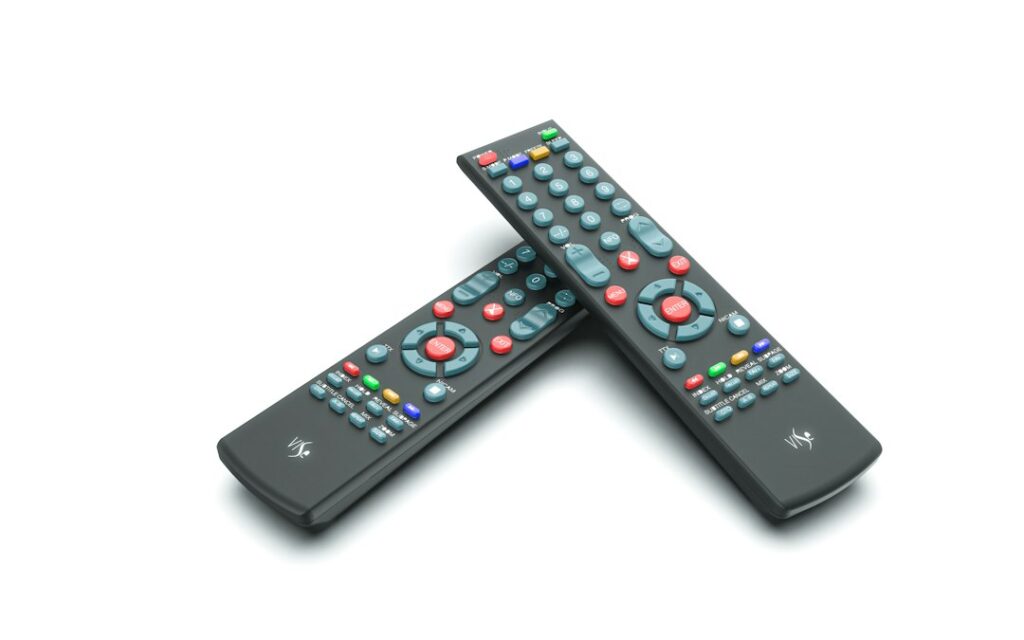
Amazon bundles an Alexa voice remote with dedicated buttons for streaming apps. It feels light in the hand and gets the job done. Apple’s Siri Remote uses a touch-sensitive clickpad and an aluminium build that feels much sturdier. Siri handles searches well across UK platforms, though Alexa integrates deeper into smart home setups if you use smart plugs or bulbs.
Understanding Audio and Visual Formats for Live Broadcasts
Modern live television is evolving beyond standard high definition, with major sports fixtures and special events increasingly broadcast in 4K resolution accompanied by advanced spatial audio formats. When evaluating hardware, it is vital to understand how well each device decodes these heavy data streams in real time. The Apple TV 4K excels in audio-visual synchronization, offering full support for Dolby Atmos soundtracks which are becoming standard for premium sports and cinematic events on platforms like Sky Go and TNT Sports. Meanwhile, the Fire TV Stick 4K Max also supports Dolby Atmos and HDR formats, but its lower memory bandwidth can occasionally lead to minor buffering hiccups when switching rapidly between high-framerate sports channels and standard definition menus. Ensuring your television and soundbar match the output capabilities of your chosen streaming box will dramatically improve your overall viewing immersion, turning your living room into a true home cinema setup without requiring a complicated separate cable box or satellite dish receiver.
Pros and Cons
Amazon Fire TV Stick 4K Max
Pros: Affordable price point, frequent sales, compact form factor, extensive app selection.
Cons: Interface features heavy promotional ads, less internal storage.
Apple TV 4K
Pros: Zero ads on the home screen, premium build quality, robust ethernet port option, fast processor.
Cons: Significantly higher upfront cost, remote takes time to master.
Setup Guidance and Compatibility Notes
Plug either device into a spare HDMI port and connect it to power. Follow the on-screen prompts to sign in with your Amazon or Apple account. Remember that the legality of any stream depends entirely on the service provider holding the correct broadcasting rights in the UK. For a deeper look at alternative hardware configurations, check out this guide on choosing official IPTV hardware in the UK to ensure compliance with local broadcasting standards.
Frequently Asked Questions
Can I install any IPTV app on an Apple TV?
No. You can only download apps that are officially approved and listed on the tvOS App Store.
Do I need a 4K TV to use these devices?
No. Both units work with standard 1080p high-definition televisions by scaling the output automatically.
Does the Fire TV Stick require a monthly fee?
The hardware itself requires no subscription, though individual content providers may charge for their services.
Which device offers better Wi-Fi stability?
Apple TV 4K includes Wi-Fi 6 and an Ethernet port on the higher-end model, making wired connections much easier.
Are these devices legal to use in the UK?
Yes. Both Fire TV devices and Apple TV are completely legal hardware products sold by major retailers.
Can I control smart home devices with the Fire remote?
Yes. Alexa integration lets you control compatible lights, heating, and smart plugs directly.
How much storage do I need for IPTV apps?
Official streaming apps take up very little space, so the base storage on either device is plenty.
Will my remote control my TV’s volume?
Both remotes include infrared emitters to control power and volume on most modern television sets.
For more information, iptv.
Related reading
- Choosing Legal Sports IPTV UK Packages for Match Days
- How to Fix IPTV Audio Out of Sync on UK Smart TVs and Firestick
Update: Best Official Streaming Hardware for Legal IPTV in the UK
Update: What to Expect from an IPTV Subscription UK: Setup, Requirements and Everyday Use