Dealing with IPTV Buffering on Firestick
Few things frustrate a viewer faster than a frozen screen right during a crucial match. If you experience IPTV buffering on Firestick devices across the UK, you know how annoying it gets. Your broadband might test at high speeds, yet your streams still stutter. Hardware limitations and network congestion usually cause these playback issues.

Fixing these annoying pauses requires a systematic approach. You won’t need any technical magic. Just follow these concrete steps to clear up your connection.
Restart and Clear Cache on Your Fire Stick
Amazon devices run background processes that consume precious system memory. Over time, apps accumulate cached data that slows down performance. Start by restarting your Fire TV Stick completely. Unplug the power cable from the wall socket. Wait about ten seconds. Plug it back in to give the operating system a clean slate.
Next, head into your device settings. Select applications, manage installed applications, and find your preferred media player. Clear the cache from this menu. Do not clear the data unless you want to log back in and re-enter all your playlist details. Clearing cache removes temporary files clogging up your player.
Switch to a Wired Ethernet Connection
Wi-Fi interference ruins many streaming setups in British homes. Thick walls, microwave ovens, and neighbour’s routers clog up the 2.4GHz and 5GHz bands. A wired connection beats wireless stability every single time. Grab an Ethernet adapter for your Fire TV Stick. Plug an Ethernet cable straight from your internet router into the adapter.
You will notice an instant drop in packet loss. Ping times improve significantly. If running a physical cable across your living room proves impossible, try moving your router closer. Alternatively, switch your Firestick to the 5GHz Wi-Fi band instead of 2.4GHz if your router supports dual-band broadcasting.
Adjust Buffer Settings Within Your Media Player
Most advanced streaming apps let you manually tweak buffer sizes. Default settings often play it too safe. They download very little data ahead of time. Open your player’s settings menu. Look for playback or advanced settings. Increase the cache size if your device has enough internal storage left. A larger buffer gives your app room to breathe when internet speeds dip briefly.
Some players offer hardware acceleration toggles. Turning this feature on forces your Firestick’s graphics chip to share the decoding workload. If videos stutter heavily with hardware acceleration enabled, switch it off. Different apps handle video codecs differently depending on the specific Firestick model you own.
Change Your DNS Provider
Internet service providers in the UK sometimes route video traffic inefficiently. Your default DNS translates web addresses slowly. Changing to a public DNS provider speeds up connection handshakes. You can configure DNS settings directly in your home router. This change benefits every connected device in your household instantly.
Popular alternatives include Cloudflare or Google DNS. Enter their primary and secondary addresses into your router’s network settings page. Save your changes and reboot your network gear. This simple tweak often reduces latency when connecting to streaming servers.
Monitor Your Broadband Speed During Peak Hours
Network throttling happens across various British networks during peak evening hours. Run a speed test on your Firestick when buffering spikes. If your download speed drops dramatically between 7 PM and 10 PM, your internet provider might be managing traffic. Using a wired connection helps bypass local wireless congestion, but ISP-level throttling requires different workarounds.
Keep your streaming apps updated to the latest versions. Developers regularly patch memory leaks that cause performance degradation over hours of continuous playback. Taking these maintenance steps keeps your streams smooth all evening long.
For more information, iptv.
Related reading
Catching every match means dealing with a massive choice of software. If you want to watch football without staring at a blank loading screen, picking the right tools matters. Choosing reliable Premier League streaming apps shapes your entire weekend viewing experience. Let us break down how these applications and media players actually handle live UK broadcasts.
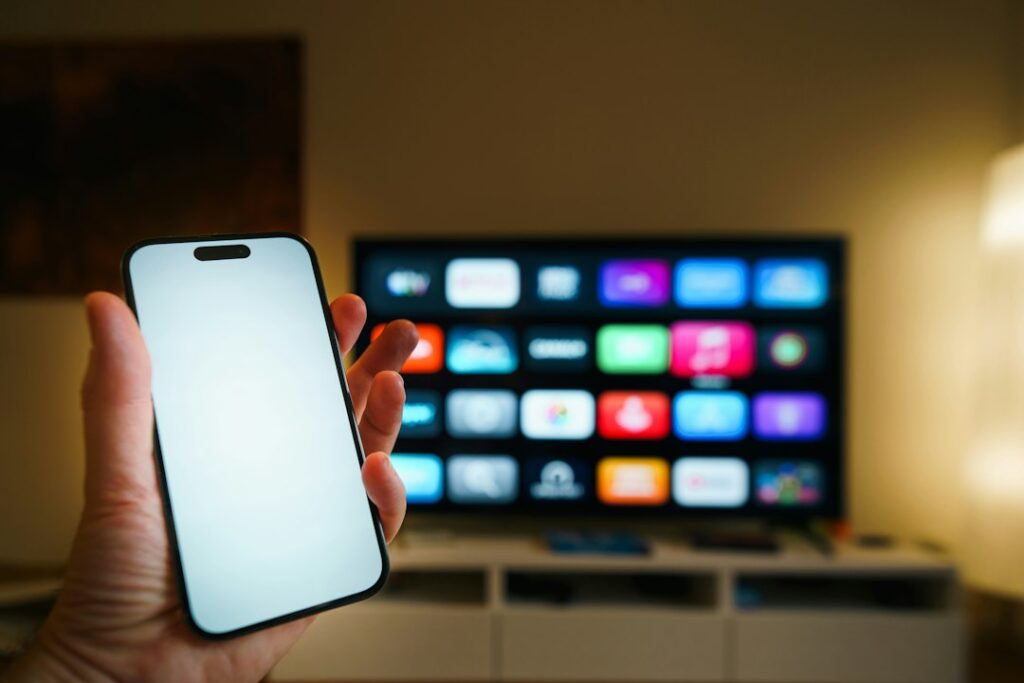
Which Premier League streaming apps dominate the UK market?
Rights for UK matches are split across several official broadcasters. Sky Sports uses its dedicated mobile and smart TV application. TNT Sports broadcasts through the Discovery Plus platform. Amazon Prime Video holds rights for specific fixture blocks each season. BBC Sport shows highlights rather than live games, but their iPlayer app sets the technical standard for smooth video delivery.
Official apps handle heavy traffic differently. Sky scales up server capacity during high-profile derbies like Arsenal versus Tottenham. TNT handles heavy loads through established infrastructure inherited from BT. Each app compresses feeds to save bandwidth while keeping the ball visible against green grass.
Third-party media players operate on a different logic. Software like VLC, TiviMate, or IPTV Smarters doesn’t host content. They act as windows. You plug a playlist link or portal address into the player, and it decodes the video stream. Official apps keep everything inside a closed garden. Third-party players give you total control over aspect ratios, audio tracks, and buffer sizes.
How do media players process live video feeds?
Live video requires intense decoding power. Your device receives compressed data packets over your broadband connection. The player software unpacks these packets instantly. If your processor lags behind, frames drop. That creates the dreaded stuttering effect during a fast counter-attack.
Hardware acceleration plays a huge role here. Modern Fire Sticks and Apple TV boxes have dedicated chips for video decoding. Software players delegate the heavy lifting to these chips. When you use an older phone or a cheap generic Android box, the processor struggles. It attempts software decoding instead. That generates heat and ruins your picture quality.
Adaptive bitrate streaming is another crucial technology. Official apps drop your resolution automatically if your Wi-Fi dips. You might go from 1080p to 720p for a few seconds. Custom IPTV players often let you lock the resolution manually. Locking the stream stops annoying quality shifts, but it causes freezing if your internet speed drops too low.
What hardware pairs best with Premier League streaming apps?
Not all gadgets run football apps equally well. Amazon Fire TV sticks dominate UK living rooms because they are cheap and support almost every app. Apple TV offers a much faster interface and handles high framerates smoothly. Google Chromecast brings the flexibility of Android TV to standard sets.
Smart TV operating systems vary wildly in performance. Samsung uses Tizen. LG relies on WebOS. Sony and Philips build their sets on Google TV. Google-powered televisions usually handle third-party media players best because the Google Play Store allows direct sideloading of APK files. Proprietary systems like Samsung’s Tizen limit you strictly to their official app store.
If you prefer watching on mobile devices, iOS and Android handle official broadcaster streams without breaking a sweat. Tablets offer a great second-screen experience. Just remember that mobile networks handle data throttling during peak evening kick-offs. A solid fibre broadband connection beats 5G mobile data every time for stability.
Why do streams buffer during big matches?
Millions of fans logging on simultaneously creates immense strain. Content Delivery Networks (CDNs) distribute this traffic across regional servers. If a regional server gets overwhelmed, your stream stalls.
Your home network causes issues too. Wi-Fi interference from neighbours ruins data packets. Microwaves and thick brick walls block signals easily. Connecting an Ethernet cable directly to your streaming box solves most home network hiccups.
Internet Service Providers in the UK also manage traffic during busy periods. Some broadband packages throttle heavy data users. Checking your line speed with a wired connection reveals if your ISP is the bottleneck. For a deeper dive into hardware configuration, check out this Smart TV setup guide for UK viewers.
Are third-party media players legal to use?
Media players themselves are completely legal software tools. VLC is a standard media tool used worldwide for playing personal video files. IPTV Smarters is simply a video player interface available on official app stores.
Legality depends entirely on what you feed into those players. Using an authorized service provider via their dedicated app keeps you on the right side of the law. Copyright holders and regulatory bodies like Ofcom monitor unauthorized broadcasting closely.
Stick to official subscriptions for peace of mind. They guarantee stable feeds, expert punditry, and high-definition video without sudden takedowns mid-match. Understanding how these apps function helps you build a reliable home setup for the entire football season.
For more information, iptv.
Related reading
Switching from a traditional satellite box to streaming changes how you browse television schedules. If you use IPTV UK setups, you might notice that channels appear as plain text links until an Electronic Programme Guide steps in to organise everything.

What actually is an EPG on IPTV UK services?
An EPG acts as a digital TV listings magazine. It takes raw data and turns it into a grid on your screen. You see current shows, upcoming movies, and broadcasting times without guessing what is on.
Old-school television networks broadcast this schedule data directly over the airwaves or cables. Modern streaming relies on internet-delivered XMLTV or JTV files instead. These files map out every single channel ID so your media player knows what label matches which stream.
How does an EPG work behind the scenes?
Your streaming player does not magically know what is airing on BBC One right now. It relies on a separate link provided by your supplier. This URL points to a text file that updates constantly.
When you open your app, the software downloads this schedule file in the background. It matches the channel numbers in your playlist with the station IDs listed in the guide data. Time zones matter here. If your server runs on Eastern European Time, your UK schedule might look two hours off until you adjust the time offset in your player settings.
Most popular apps update this information every few hours. Some update automatically upon startup. If your guide looks empty, the software simply has not fetched the latest file yet.
Why does my IPTV UK program guide fail to load?
Broken guides frustrate many viewers. Usually, a missing guide stems from a dead XMLTV link. Providers change their URLs often. When they do, your app loses its connection to the schedule data.
Another common culprit is a mismatch in channel IDs. If your provider changes a station name from ‘BBC One HD’ to ‘BBC One FHD’, the old guide link will not recognise the new ID. You have to manually re-sync or update your playlist.
Internet blocks can also interfere. Major broadband providers regulated by Ofcom sometimes block specific domain addresses associated with streaming lists and guide servers. If your ISP restricts the guide URL, your screen stays blank.
If you run into trouble on Amazon devices, our Firestick EPG setup guide walks through fixing common loading errors step by step.
Can you use a custom EPG source?
Yes. Many advanced streaming applications let you paste your own guide links. You are not forced to use the default one supplied with your package.
Some enthusiasts pull free open-source XMLTV files from independent databases. This workaround helps when a provider has poor internal scheduling data or missing channel logos. You just copy the custom URL, paste it into your player settings alongside your main subscription link, and force a manual refresh.
How to fix lagging or slow guide loading times
A massive guide file slows down cheap streaming hardware. Some lists contain thousands of international channels with seven days of detailed descriptions.
Older TV boxes run out of memory trying to cache all that text. To speed things up, hide unwanted international channels. Limiting your active playlist to UK-only stations shrinks the guide file size drastically. Your app will open faster, and the grid will populate without freezing your device.
For more information, iptv.
Learn more on Wikipedia: ITV (TV network).
Related reading
Getting Started with IPTV Smart TV Apps
Setting up your IPTV Smart TV configuration doesn’t have to ruin your weekend. Modern flat-screen displays running webOS or Tizen make downloading media players simple. You just open the built-in app store on your remote. Search for a reliable application. Install it directly onto your internal memory. No extra hardware boxes cluttering your TV stand.

You’ll need a working internet connection first. Fibre broadband in the UK easily handles high-definition streams. Plug an Ethernet cable straight into the back of your panel if Wi-Fi drops packets. Wired connections stop buffering mid-match.
Choosing Your Media Player
Picking the right software matters. Samsung and LG app stores hold a few solid choices. IPTV Smarters Pro remains popular because the layout stays clean. IBO Player and Net IPTV also work well on newer hardware. Each app asks for your M3U playlist link or Xtream Codes API login. Type those details in carefully. One missed character breaks the feed.
Some free apps display annoying ads across the screen. Premium players charge a small one-time activation fee per device. Pay the few pounds directly on their official website. Your viewing experience improves instantly without random pop-ups.
Loading Playlists and EPG Data
Once your app opens, you add your provider details. Grab your M3U URL from your service dashboard. Paste it into the playlist section of the app. Give the playlist a recognisable name. Hit save and let the system load your channels.
TV guides need a separate Electronic Programme Guide link. Paste the XMLTV URL into the EPG slot. Channels populate with names and schedules. If your guide stays blank, clear the app cache and restart the TV. For more tips on this process, check out our guide on how to set up EPG on Firestick IPTV player for compatible layout methods.
Fixing Common Streaming Glitches
Streams freeze sometimes. Network congestion causes most playback failures during peak evening hours in the UK. Restart your home router first. Unplug it for thirty seconds. Plug it back in and wait for the lights to stabilise.
Changing the stream format inside your player settings helps too. Switch from HLS to MPEG-TS if channels drop out constantly. Keep your TV firmware updated. Manufacturers patch memory leaks regularly.
For more information, iptv.
Related reading
- 1. Football Broadcasting Rights Are Split Across Multiple Networks
- 2. Official Premier League IPTV Streaming in the UK Works Differently Than Cable
- 3. The 3pm Saturday Blackout Is Still Strictly Enforced
- 4. Internet Speeds and Stability Dictate Picture Quality
- 5. Hardware Selection Shapes the Viewing Experience
- 6. Unofficial Premier League IPTV Streams Carry Significant Risks
- 7. Stream Latency Means Your Phone Might Spoil Goals
- Selecting the Right Setup for Your Home
Watching top-flight football in Britain has changed dramatically over the last few years. Satellite dishes and traditional cable boxes are no longer the default choice for domestic supporters. Instead, modern internet protocol television delivers high-definition matches directly over your fibre broadband. If you are exploring Premier League IPTV options in the UK, navigating the rights landscape, tech requirements, and legal rules can feel confusing. Here are seven crucial facts every UK viewer needs to understand before tuning in.

1. Football Broadcasting Rights Are Split Across Multiple Networks
No single provider holds the rights to show all 380 Premier League matches live in the United Kingdom. That reality surprises many foreign fans, but domestic rights are explicitly divided by regulator Ofcom and the league itself to encourage market competition.
Sky Sports holds the largest package of matches, usually broadcasting Friday night, Saturday evening, Sunday afternoon, and Monday night games. TNT Sports (formerly BT Sport) typically covers the Saturday early kickoff slot alongside selected midweek rounds. Amazon Prime Video secures specific holiday packages, including the Boxing Day fixtures. Because rights are split this way, official streaming options require separate subscriptions or a combined package from a major platform like NOW or Virgin Media.
2. Official Premier League IPTV Streaming in the UK Works Differently Than Cable
Traditional television broadcasts signals over coaxial cables or satellite signals pointed at distant orbiters. IPTV delivers video data packets across your home internet connection using standard web protocols. If you want to understand the underlying tech, read our guide on what is IPTV in the UK for a clear breakdown.
When you watch live football via Sky Go, NOW, or TNT Sports on a Smart TV, you are using legitimate IPTV infrastructure. The feed is converted into digital chunks, routed through secure content delivery networks, and reconstructed on your screen within milliseconds. This setup gives you flexibility. You can start watching a match on your living room television, pause it, and continue on a tablet in another room without missing a tackle.
3. The 3pm Saturday Blackout Is Still Strictly Enforced
If you expect to stream every single match live on a Saturday afternoon, you will run into a long-standing British tradition. Article 48 of the UEFA statutes permits national associations to block live televised football during a specific window to protect stadium attendance at lower-league grounds.
In England, no channel or legitimate streaming app can broadcast live football between 2:45 pm and 5:15 pm on Saturdays. That applies regardless of whether the service runs over cable, satellite, or internet streaming. Matches played during this window are covered via audio commentary or live goal updates on services like the BBC, but the full televised picture is withheld until highlights air later that evening.
4. Internet Speeds and Stability Dictate Picture Quality
Streaming live sports puts higher demands on your home broadband connection than playing static movie files on Netflix. Football involves fast movement, panning camera angles, and bright green pitches that showcase compression flaws quickly if bandwidth drops.
- Standard HD (1080p at 50fps): Requires a stable minimum download speed of 12 Mbps.
- Ultra HD / 4K (2160p with HDR): Demands at least 25 Mbps to 35 Mbps of sustained bandwidth.
- Ethernet Connection: Plugging an Ethernet cable directly into your streaming stick or TV prevents Wi-Fi interference.
Frame rate matters immensely for sports. Standard video runs at 25 or 30 frames per second, which causes noticeable motion blur when a goalkeeper kicks the ball downfield. High-quality Premier League IPTV broadcasts output at 50 frames per second, ensuring smooth motion during rapid counter-attacks.
5. Hardware Selection Shapes the Viewing Experience
Not all streaming hardware handles live sports equally well. Modern Smart TVs from brands like LG, Samsung, and Sony come with built-in app stores that support official channels out of the box. However, onboard TV processors can slow down over time as app updates demand more memory.
Dedicated streaming hardware like the Amazon Fire TV Stick 4K, Apple TV 4K, or Roku Streaming Stick often delivers snappier navigation and faster channel switching. Apple TV 4K, in particular, handles high frame rate video processing exceptionally well, making match graphics look crisp. If you are using a new television, take a look at our walkthrough on how to watch Premier League matches in the UK to configure your hardware correctly.
6. Unofficial Premier League IPTV Streams Carry Significant Risks
Search online and you will inevitably encounter unauthorized sellers offering thousands of global channels for a fraction of official subscription prices. While low prices look tempting, using these unofficial platforms comes with steep drawbacks for consumers.
Law enforcement agencies, including the Police Intellectual Property Crime Unit (PIPCU), actively target illegal operations across the UK. Copyright owners regularly obtain court orders forcing major UK internet service providers (ISPs) like BT, Virgin, EE, and Sky to block unauthorized video servers mid-match. That means streams frequently drop out right as a penalty is taken. Furthermore, illicit platforms often expose users to malware, data harvesting, and financial fraud through insecure payment portals.
7. Stream Latency Means Your Phone Might Spoil Goals
Have you ever heard your neighbours cheer a goal five seconds before it happened on your television screen? That delay is called latency, and it is an inherent characteristic of internet streaming.
Satellite and digital terrestrial broadcasts (Freeview) have very low latency, usually around 3 to 5 seconds behind real time. Streaming platforms must buffer data to ensure smooth playback, creating a delay ranging from 15 to 45 seconds depending on your connection and app setup. If you keep phone alerts enabled from betting or sports news apps during a match, turn off push notifications to avoid learning about a goal before you actually see it land in the net.
Selecting the Right Setup for Your Home
Getting the best matchday experience comes down to honest evaluation of your household internet setup. Check your line speed using an online test during peak evening hours rather than quiet mornings. If your router sits far from your main television, invest in a powerline adapter or mesh Wi-Fi node to maintain a reliable stream. Sticking to accredited platforms ensures reliable 50fps video quality without unexpected blackouts or safety concerns when kick-off arrives.
For more information, iptv.
Learn more on Wikipedia: Premier League International Cup.
Related reading
- What Is IPTV UK? A Complete Beginner’s Guide
- 8 Key Considerations When Selecting a Legal IPTV UK Provider
Traditional broadcast television in Britain is undergoing its biggest structural shift since the digital switchover completed in 2012. Millions of households across England, Scotland, Wales, and Northern Ireland are quietly replacing coaxial cables and satellite dishes with high-speed full-fibre broadband. If you watch live television through an internet connection rather than an aerial, you are already using an IPTV UK service, even if you just call it streaming.

Understanding this transition helps you make better decisions about your home entertainment setup, your monthly subscription bills, and your internet package. Here is a practical, straightforward look at what this technology actually is, how it operates across British homes, and what you need to know before tuning in.
How IPTV UK Technology Delivers Your TV
IPTV (Internet Protocol Television) simply means broadcasting television content using internet protocol networks instead of legacy formats like terrestrial signals (Freeview), satellite transmissions (Freesat or legacy Sky), or traditional cable (Virgin Media). Traditional broadcasting sends every single channel down the cable or airwaves simultaneously. Your set-top box filters out everything except the channel you select.
Internet television flips this model entirely. When you click on a channel, the platform sends a specific digital stream directly to your device over your broadband line. It acts more like a web request than a radio tower. Because data travels in digital packets over standard internet infrastructure, service operators can offer dynamic features like instant restart, catch-up programming, and extensive video-on-demand libraries without needing dedicated satellite bandwidth.
Most platforms deliver content in three primary formats:
- Live television: Real-time broadcasts of linear channels, such as BBC One, ITV1, or Sky Atlantic, transmitted as the event happens.
- Time-shifted media: Catch-up services like BBC iPlayer or ITVX that allow you to replay broadcasts that aired hours or days ago.
- Video on Demand (VOD): Dedicated libraries of films, box sets, and documentaries that you can browse and play whenever you like.
To learn more about packet delivery and streaming protocols, read our detailed guide to IPTV technology and streaming mechanics.
Is IPTV Legal in Great Britain?
A common misconception is that the technology itself is illegal. It is not. The technology is simply a method of data delivery. Licensed, perfectly legitimate services operate in Britain every day. Platforms like Sky Stream, Virgin Media Stream, EE TV, BBC iPlayer, and NOW all use internet protocol technology to deliver live broadcasts to viewers.
The legal boundary comes down strictly to copyright ownership and distribution rights. Legitimate platforms pay substantial licensing fees to broadcast content, whether that is original drama, Hollywood films, or live sports events. Illegal operators, by contrast, capture these signals and retransmit them over the internet without paying rights holders or purchasing commercial distribution permissions.
The regulatory authority for communications in the UK, Ofcom, oversees licensed broadcasting services to ensure standard compliance, consumer safety, and regulatory adherence. Meanwhile, agencies like the Police Intellectual Property Crime Unit (PIPCU) actively target unauthorised providers who market illegal channel packages. If you are watching live sports without standard subscription fees through a third-party app seller, you are almost certainly using an illicit stream.
If you watch live broadcast television on any platform—or use BBC iPlayer—you still require a valid licence from TV Licensing, regardless of whether you stream over full-fibre broadband or receive signals via a traditional rooftop aerial.
Before purchasing any service, check our guide on selecting a legal IPTV UK provider to ensure you stay protected from scam operators and unreliable platforms. If live sports are your main priority, review our specific breakdown of watching Premier League football via IPTV UK services legally.
Getting Started: Hardware and Apps for IPTV UK Users
You do not need specialized technical gear to watch internet television. Most modern British living rooms already have compatible hardware connected to their main screen.
Smart TVs running Android TV, Google TV, Samsung Tizen, or LG webOS support native apps for major broadcast networks directly from their official app stores. External media streaming players are equally popular, offering faster processors and more frequent software updates. Devices like the Amazon Fire TV Stick, Apple TV 4K, and Google Chromecast easily transform older HD displays into smart receivers.
Setting up standard hardware takes only a few minutes. You connect your media player to a spare HDMI port, hook it up to your home Wi-Fi network, download the desired platform’s official application, and enter your account login credentials. For a step-by-step walk-through, read our article on how to set up IPTV on your Smart TV in the UK.
Bandwidth and Network Requirements for IPTV UK Streams
Stream stability depends heavily on your home internet connection. Because your router downloads data continuously while you watch, network bottlenecks or inadequate bandwidth lead to buffering wheel delays, low resolution, or unexpected dropouts.
| Video Quality | Minimum Bandwidth Required | Recommended Speed (Per Device) |
|---|---|---|
| Standard Definition (SD) | 3 Mbps | 5 Mbps |
| High Definition (HD – 1080p) | 5 Mbps | 10 Mbps to 15 Mbps |
| Ultra HD (4K / HDR) | 25 Mbps | 50 Mbps+ |
If multiple household members stream simultaneously, play online games, or work from home, your total household broadband speed must account for everyone at once. An ethernet cable connection between your streaming player and your router always provides a far more stable signal than Wi-Fi, especially when watching live 4K broadcasts.
If you experience buffering despite having fast fibre broadband, your home Wi-Fi signal might be weakened by thick interior brick walls or interference from neighbouring routers. Switching to a 5 GHz network frequency or using home plug powerline adapters often fixes these playback glitches instantly.
For more information, iptv.
Learn more on Wikipedia: ITV (TV network).
Related reading
- 1. Licensing and Copyright Compliance for IPTV UK Viewers
- 2. Bandwidth Standards and Network Stability for IPTV Service UK Content
- 3. Delivery Protocols and Video Compression Standards
- 4. Device Compatibility for UK IPTV Subscription Setup
- 5. Regulatory Standards and Ofcom Guidelines
- 6. Content Distribution Rights and Blackout Regulations
- 7. TV Licensing Obligations for Live IPTV UK Streaming
- 8. Hardware and Home Network Optimisation
British television consumption has shifted dramatically toward internet protocol delivery over the past decade. Traditional terrestrial aerials and satellite dishes are rapidly giving way to direct internet streaming. If you are exploring how to watch live channels over your broadband connection, understanding how an IPTV UK framework operates is essential for both picture quality and peace of mind.

Internet Protocol Television refers strictly to the method of broadcasting television programming over telecommunication networks using internet protocol suites. Major UK broadcasters like the BBC, ITV, and Sky rely heavily on internet distribution to reach millions of households. However, navigating the modern television marketplace requires a clear grasp of delivery standards, legal compliance, and network requirements.
1. Licensing and Copyright Compliance for IPTV UK Viewers
Legality remains the single most important factor when evaluating any streaming subscription. In the United Kingdom, broadcasting rights are strictly controlled through territorial licenses. Genuine legal IPTV service providers purchase distribution rights from rights holders, sports leagues, and film studios. These permissions allow them to broadcast linear channels and video-on-demand content legally to UK residents.
Unauthorised providers operate without these licensing agreements. Using illicit services exposes consumers to significant security risks, abrupt service shutdowns, and legal liabilities. The UK Intellectual Property Office works closely with law enforcement and internet service providers to block illegal streaming networks at the server level. According to the UK Intellectual Property Office, protecting digital copyright ensures that creative industries remain funded and secure.
To verify if an internet television package is legitimate, examine the provider’s corporate details and pricing. If a provider offers thousands of premium pay-TV channels and international sports packages for a fraction of standard market rates, it is almost certainly operating without permission. Legitimate providers clearly state their licensing terms, display registered UK company numbers, and provide clear terms of service.
2. Bandwidth Standards and Network Stability for IPTV Service UK Content
High-definition and 4K ultra-high-definition video streams require substantial, steady internet speeds. Unlike standard web browsing, live streaming cannot tolerate intermittent drops in connection speed without showing visible artifacts or spinning load icons.
For standard definition content, a stable connection of 5 Mbps is usually adequate. High-definition (1080p) streams require at least 15 Mbps, while 4K UHD streaming demands a minimum sustained download speed of 25 Mbps to 50 Mbps. If multiple devices in your home share the same connection, your total broadband capacity must account for that cumulative traffic.
| Video Resolution | Minimum Recommended Speed | Ideal Broadband Line Rate |
|---|---|---|
| Standard Definition (SD) | 5 Mbps | 10 Mbps |
| High Definition (HD 1080p) | 15 Mbps | 30 Mbps |
| Ultra High Definition (4K UHD) | 30 Mbps | 60+ Mbps |
Network latency and jitter also impact stream playback. High latency creates long delays between the live broadcast and what appears on your screen. Jitter causes micro-stutters during high-action sporting events. Connecting your streaming device via a physical Ethernet cable rather than Wi-Fi dramatically reduces packet loss and eliminates local signal interference.
3. Delivery Protocols and Video Compression Standards
Modern internet television relies on complex compression algorithms and delivery mechanisms to transport live signals across public internet infrastructure. Understanding these backend technologies helps explain why picture quality varies significantly between platforms.
Most commercial providers use HTTP Live Streaming or Dynamic Adaptive Streaming over HTTP. These protocols break video files into small sequential chunks, typically two to six seconds long. Your device downloads these chunks continuously while playing the video. If your network speed drops, adaptive streaming automatically lowers the video resolution slightly to prevent the stream from stopping entirely.
Video compression formats have evolved rapidly. Advanced codecs allow providers to deliver higher resolution imagery using lower data rates:
- H.264 (AVC): The legacy standard widely supported on older smart TVs and legacy streaming boxes.
- H.265 (HEVC): Compresses data roughly 50% more efficiently than H.264, enabling 4K HDR streaming without consuming excessive bandwidth.
- AV1: An open-source, highly efficient codec increasingly adopted by major platforms for smooth playback on lower-speed mobile connections.
Proper integration of these codecs allows licensed providers to maintain crisp visual fidelity even during peak internet usage hours across the UK.
4. Device Compatibility for UK IPTV Subscription Setup
A major advantage of internet protocol television is flexibility across hardware platforms. Unlike traditional satellite or cable packages that locked consumers into proprietary set-top boxes, modern internet delivery supports a wide spectrum of connected equipment.
If you prefer a direct setup on a modern display, learning how to set up IPTV on your Smart TV in the UK allows you to install official broadcast applications directly from integrated app stores. Modern smart operating systems like Google TV, webOS, and Tizen handle media decoding easily.
Dedicated media streaming sticks and boxes often offer faster processors and frequent software updates. Devices running Android TV, Fire OS, or tvOS handle high-bitrate video feeds efficiently. Furthermore, software updates on dedicated hardware tend to continue long after smart television manufacturers stop updating older display models.
5. Regulatory Standards and Ofcom Guidelines
Broadcasting within the UK must comply with rigorous regulatory standards. Media regulator Ofcom oversees communications, television standards, and online safety across England, Scotland, Wales, and Northern Ireland.
Legitimate internet television platforms must adhere to strict guidelines concerning content classification, watershed rules, and advertising frequency. These rules protect consumers from harmful content and ensure accurate, balanced news reporting. Regulated platforms also offer robust parental control settings, allowing account holders to set PIN codes or restrict access to specific age ratings.
Unlicensed services ignore these standards entirely. They carry no watershed restrictions, offer zero consumer support, and lack access safety tools for families.
6. Content Distribution Rights and Blackout Regulations
Sports rights represent one of the most complex areas of broadcast licensing in the UK. Sports organizations sell broadcast permissions on a territory-by-territory basis to maximize revenue and preserve match attendances.
A clear example is the traditional Saturday 3:00 PM blackout rule. Under UEFA Article 48, live football matches cannot be broadcast in the UK between 2:45 PM and 5:15 PM on Saturdays. This long-standing policy encourages physical attendance at stadium matches across lower leagues. To understand more about match rights and broadcast laws, review our guide covering factors for watching Premier League football via IPTV UK services legally.
Legitimate platforms respect these territorial restrictions using geo-blocking mechanisms. They match user IP addresses against geographical databases to ensure streams are delivered only to eligible viewers inside licensed regions.
7. TV Licensing Obligations for Live IPTV UK Streaming
A common misconception among UK households is that switching from traditional aerial television to internet streaming eliminates the need for a TV Licence. This is incorrect under UK law.
Under the Communications Act 2003, you must hold a valid TV Licence if you watch or record live TV programmes on any channel, regardless of the transmission method. This applies equally to terrestrial aerials, satellite dishes, cable connections, and internet streams. Furthermore, a licence is mandatory if you download or watch any programmes on BBC iPlayer.
According to official guidance from TV Licensing, the law covers live broadcasts across all digital platforms, including laptop screens, smart TVs, mobile phones, and set-top boxes. If you only watch on-demand movies or non-BBC catch-up programmes after they have finished airing, a licence is not required. However, the moment you tap into a live stream broadcast on an IPTV UK feed, legal licensing requirements apply.
8. Hardware and Home Network Optimisation
Even the best official streaming package will struggle if your local home network is misconfigured. Wireless networks in typical homes face multiple physical obstacles, including brick walls, electrical interference, and congested Wi-Fi channels.
To ensure steady streaming performance, consider these practical network improvements:
- Use Ethernet connections: Run a direct Cat6 cable from your router to your primary streaming device to guarantee maximum throughput and zero wireless dropouts.
- Upgrade to Powerline adapters: If running long network cables is impractical, Powerline adapters route internet signals through your home’s existing electrical wiring.
- Utilise 5 GHz or Wi-Fi 6 bands: Standard 2.4 GHz wireless networks suffer heavy congestion from household appliances. Switch your streaming box to the less crowded 5 GHz band.
- Enable Quality of Service (QoS): Configure your broadband router’s QoS settings to prioritize video traffic over background file downloads or software updates.
For more detailed technical insights on streaming equipment and protocol configurations, read our detailed guide on things to know about IPTV UK services and streaming technology.
By assessing infrastructure requirements, verifying licensing credentials, and maintaining proper TV Licensing compliance, you can build a reliable digital entertainment setup that delivers consistent picture quality across all your connected home screens.
For more information, iptv.
Learn more on Wikipedia: ITV (TV network).