- Quick Answer: Fixing Firestick IPTV Network Errors
- Before You Start Checklist
- Step-by-Step Firestick IPTV Network Troubleshooting
- 1. Restart Your Firestick Properly
- 2. Check Your Wi-Fi Frequency Band
- 3. Clear App Cache and Data
- 4. Update Your Fire OS Software
- Understanding Local Network Congestion and Bandwidth Management
- Common Mistakes to Avoid
- When to Contact Your Provider
- Safety and Legal Notes
- Frequently Asked Questions
- Why does my Firestick keep dropping my Wi-Fi connection?
- Will a VPN fix my network errors?
- How do I know if my internet speed is fast enough?
Quick Answer: Fixing Firestick IPTV Network Errors
Network errors on your Amazon streaming stick usually happen because of a temporary drop in your Wi-Fi signal, an overloaded router, or a temporary server glitch from your legal broadcast provider. Restarting both your Firestick and your broadband router solves most connection issues within a couple of minutes.
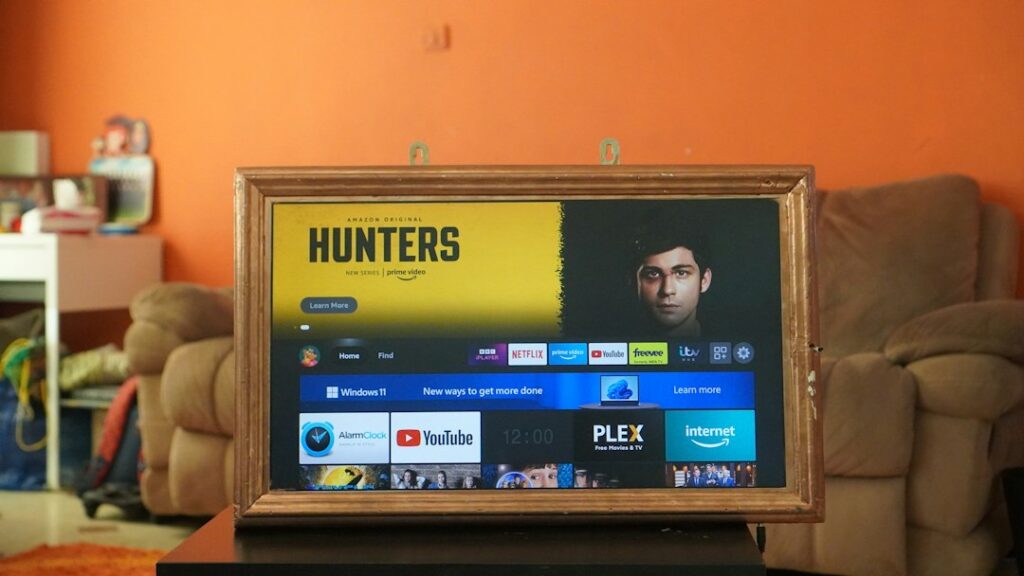
When these frustrating interruptions occur right in the middle of a live broadcast or your favorite television program, it can completely ruin your viewing experience. Understanding the root causes—ranging from local wireless congestion to temporary bottlenecks in your internet service provider’s routing—allows you to apply targeted fixes rather than guessing blindly. By systematically evaluating your hardware, local network environment, and application settings, you can restore a stable, buffer-free connection and ensure your legal streaming setup performs at its absolute best.
Before You Start Checklist
Before you dive into complex troubleshooting, check these basics first:
- Your Amazon Firestick is plugged directly into a wall socket rather than a USB port on the back of your television.
- Other devices in your house load websites quickly over the same Wi-Fi network.
- Your subscription is active and you aren’t missing any official account renewals.
- You are using an approved, legal IPTV app downloaded directly from the official Amazon Appstore.
Taking a moment to verify these foundational elements saves considerable time and prevents unnecessary frustration. For instance, many users overlook their power supply; powering a Firestick via a television USB port often delivers insufficient electrical current, leading to unstable Wi-Fi chips, sudden reboots, and persistent network drops. Ensuring a stable wall power connection eliminates this hidden hardware bottleneck instantly.
Step-by-Step Firestick IPTV Network Troubleshooting
Work through these numbered steps in order when your device refuses to load your legal channels.
1. Restart Your Firestick Properly
Don’t just turn your TV off. Go to your Firestick Settings, select My Fire TV, and choose Restart. This clears temporary memory glitches that block your streaming apps from reaching the internet.
Furthermore, taking your broadband router offline for roughly sixty seconds alongside your Firestick can clear corrupted local IP address leases and force a fresh handshake with your Internet Service Provider. This simple hardware power cycle resolves a vast majority of stubborn connection loops without requiring any advanced technical configuration.
2. Check Your Wi-Fi Frequency Band
Most modern UK routers broadcast on both 2.4GHz and 5GHz bands. If your Firestick sits on the crowded 2.4GHz band, thick walls or household appliances can ruin your connection. Switch your Firestick to the 5GHz Wi-Fi network for faster speeds and less interference.
The 2.4GHz frequency band is notoriously crowded, sharing airspace with Bluetooth devices, microwave ovens, baby monitors, and neighboring wireless networks. The 5GHz band, while offering a shorter physical range and less penetration through solid masonry, provides significantly higher data throughput and experiences vastly less interference, making it the superior choice for high-definition and live media streaming.
3. Clear App Cache and Data
Go to Settings, then Applications, and Manage Installed Applications. Find your official streaming app and clear its cache. If errors persist, clear the app data, but remember you’ll need to log back in with your official account details.
Over time, accumulated temporary files, broken stream manifests, and fragmented data packets can clog an application’s internal storage directory. Routine maintenance, such as purging unnecessary cache files, keeps the app running lean and responsive, directly reducing the likelihood of unexpected network timeouts or freezing during playback.
4. Update Your Fire OS Software
Outdated system software causes endless connection loops. Go to Settings > My Fire TV > About > Check for Updates. Install any pending updates and let your device reboot.
Amazon frequently rolls out critical security patches, network stack optimizations, and driver updates for the internal Wi-Fi components of its streaming hardware. Running an outdated operating system version can lead to compatibility issues with modern content delivery networks and official streaming application protocols.
Understanding Local Network Congestion and Bandwidth Management
Even if your broadband package boasts impressive headline speeds, heavy concurrent usage by other devices in your household can starve your Firestick of the consistent bandwidth required for smooth live streaming. If someone else in the house is downloading large video game files, backing up massive photo libraries to cloud storage, or streaming 4K video on another screen, your streaming application may experience sudden packet loss and trigger network error messages.
To mitigate this, consider connecting your router closer to your television setup, or if your specific Firestick model permits, invest in an official Amazon Ethernet adapter to establish a rock-solid wired connection. A physical Ethernet cable entirely bypasses wireless interference, walls, and local radio frequency congestion, delivering maximum possible stability for uninterrupted live television viewing.
Common Mistakes to Avoid
Don’t factory reset your entire Firestick straight away. That wipes all your downloaded apps and wastes unnecessary time. Avoid using unofficial side-loaded apps or modified APK files that break every time Amazon updates its operating system. Stick to official software available in the UK app store. For more tips on managing your apps, take a look at our guide on how to clean firestick cache for better IPTV streaming.
Another frequent error is ignoring router firmware updates. Just as your Firestick requires operating system patches, your home broadband router benefits immensely from periodic software maintenance managed through its administrative web portal. Keeping your entire local digital ecosystem updated ensures seamless communication between your streaming stick, home network hardware, and external broadcast servers.
When to Contact Your Provider
If your broadband speed test shows over 30 Mbps, your Wi-Fi signal is strong, and other apps like BBC iPlayer work fine, but your legal IPTV app still throws connection errors, the issue is likely on the broadcaster’s end. Reach out to your provider’s customer support team to check if they are experiencing server downtime or scheduled maintenance.
Sometimes, unexpected routing issues or upstream transit failures between your internet service provider and the official broadcast content delivery network can prevent data packets from reaching your device efficiently. Customer support agents can verify whether their streaming nodes are fully operational or if an alternative server address should be utilized.
Safety and Legal Notes
Always use official, licensed streaming applications and legal broadcast subscriptions in the UK. This guide does not support bypassing geoblocks, using unauthorized streaming links, or accessing pirated content. Respect copyright laws and enjoy your television legally.
Maintaining compliance with UK broadcasting standards ensures that you receive high-quality, reliable streams without the legal and security risks associated with shady, unofficial third-party services. Official platforms invest heavily in robust server infrastructure, guaranteeing optimal uptime and professional customer support when technical hitches arise.
Frequently Asked Questions
Why does my Firestick keep dropping my Wi-Fi connection?
Interference from nearby routers, thick Victorian walls, or a weak power supply often causes sudden drops. Move your router closer or use an Ethernet adapter.
Will a VPN fix my network errors?
Legal streaming services in the UK generally do not require a VPN to function correctly on home broadband connections. Network errors usually point to local Wi-Fi or app issues rather than geographic restrictions.
How do I know if my internet speed is fast enough?
Open a web browser or download a speed test app on your Firestick. You need a stable connection of at least 15 to 25 Mbps for reliable high-definition streaming.
For more information, iptv.
Related reading
- Clearing Up Common Misconceptions About Setting Up and Using IPTV UK Services
- Legal IPTV Devices UK: Hardware Comparison and Official Apps
- Clearing Up Common Misconceptions About IPTV UK Setup and Usage
- Myth 1: IPTV UK Means Completely Free Live TV
- Myth 2: You Need High-End Hardware for IPTV Streaming UK
- Myth 3: Setting Up an IPTV Service UK is Too Technical
- Myth 4: Any UK IPTV Subscription Offers the Same Quality
- The Reality of Licensing and Regulation
- Final Thoughts on Choosing Wisely
Clearing Up Common Misconceptions About IPTV UK Setup and Usage
Internet Protocol Television has changed how British households watch television. Yet, plenty of outdated ideas still float around online forums and chat groups. When people talk about IPTV UK, they often mix up legal streaming applications, hardware capabilities, and what a standard IPTV subscription UK actually delivers. Let us clear up the confusion and separate broadcasting fact from internet fiction.

Myth 1: IPTV UK Means Completely Free Live TV
One persistent rumor claims that any internet-based television stream is automatically free. That is simply not true. While some broadcasters offer free catch-up players, reliable commercial networks and official platforms charge subscription fees. Ofcom notes that paid services dominate the market because infrastructure costs money. Running servers, securing content rights, and maintaining high bandwidth require serious investment. If an offer sounds too cheap to be true, it usually compromises on quality or terms. Legitimate providers charge fair market rates for their channels and on-demand libraries.
Myth 2: You Need High-End Hardware for IPTV Streaming UK
Another common belief is that you must buy an expensive custom PC or a top-tier gaming box to watch streams without lag. In reality, most modern devices handle IPTV streaming UK effortlessly. A standard streaming stick plugged into your HDMI port does the heavy lifting just fine. You don’t need a thousand-pound setup. If your device runs Android TV, Fire OS, or webOS, you can easily install compatible player apps. That said, older hardware with weak Wi-Fi chips might struggle with high-bitrate video feeds. Upgrading your router often fixes speed drops faster than buying a new TV box.
Myth 3: Setting Up an IPTV Service UK is Too Technical
Many beginners assume that configuring an IPTV service UK requires an IT degree. It really doesn’t. Most modern apps use simple activation codes or standard login credentials provided by your chosen platform. You download the app, enter your details, and load the playlist. For a clear walkthrough of the process, check out our guide on how to set up legal IPTV apps on UK streaming devices. Once configured, the interface looks and feels much like a traditional cable box or satellite menu.
Myth 4: Any UK IPTV Subscription Offers the Same Quality
Not all feeds are created equal. Some viewers assume every UK IPTV subscription broadcasts in crisp high definition or 4K. In practice, video resolution depends entirely on the source feed and your broadband connection speed. A congested local network will cause buffering regardless of what the package promises. If your screen keeps freezing during peak evening hours, read our tips on fixing IPTV freezing and buffering on Firestick and smart TVs to restore smooth playback. Always check what resolution your chosen provider actually delivers before committing to a long-term plan.
The Reality of Licensing and Regulation
People often wonder how television regulations apply to internet streaming. According to guidelines from organisations like Ofcom, broadcasting rules protect consumers and intellectual property. Furthermore, watching live television broadcast services in the UK generally requires a valid TV licence, regardless of whether you use an aerial, a satellite dish, or an internet connection. Always make sure your viewing habits comply with current UK broadcasting laws and rules outlined by TV Licensing.
Final Thoughts on Choosing Wisely
Navigating the world of internet television doesn’t have to feel like guesswork. Ignore the wild claims online. Stick to verified hardware, realistic subscription costs, and legal apps. Doing so ensures your viewing experience remains stable, secure, and fully compliant with UK standards.
For more information, iptv.
Learn more on Wikipedia: ITV (TV network).
Related reading
- Legal IPTV Devices UK: Hardware Comparison and Official Apps
- Choosing Legal Sports IPTV UK Packages for Saturday 3PM Kick-Offs
- Which legal IPTV devices UK viewers actually need
- Hardware comparison table for UK streaming boxes
- How do operating systems affect your viewing?
- Pros and cons of popular UK streaming hardware
- Broadband requirements and network optimization
- Setting up your legal streaming device
- Frequently Asked Questions
- Are these streaming devices legal to own in the UK?
- Do I need a TV Licence to watch legal IPTV apps?
- Can I use Ethernet with a Fire TV Stick?
- Why won't my Smart TV download certain apps?
- Does 4K streaming require fast broadband?
- Are parental controls available on all devices?
- How often should I update my streaming hardware?
- What is the easiest device for older family members?
Which legal IPTV devices UK viewers actually need
Finding hardware to stream television over the internet isn’t hard. Picking the right box for legal IPTV devices UK setups takes a bit more thought. You need something reliable, quick, and fully compatible with licensed UK broadcasters.

Internet Protocol Television simply means your TV signal travels through broadband instead of a dish or aerial. Legality depends entirely on who provides the stream. Choosing official apps from the BBC, ITV, Sky, or EE keeps you on the right side of the law.
Let’s look at how the top hardware choices stack up, evaluating not just raw processing power, but also long-term software support, user interface design, and integration with the wider UK smart home ecosystem.
Hardware comparison table for UK streaming boxes
Different operating systems change how you find and install official apps. Here is how the main contenders compare:
- Amazon Fire TV Stick 4K: Fire OS, excellent app availability, 4K HDR support, Wi-Fi 6, good voice control via Alexa, and budget-friendly pricing.
- Apple TV 4K: tvOS, premium app ecosystem, top-tier 4K HDR and Dolby Vision, optional Ethernet port on the high-end model, Siri remote, and powerful performance.
- Google TV Streamer / Chromecast: Android TV, massive app store, 4K support, Ethernet built into the newer dock, Google Assistant, and simple setup.
- Roku Streaming Stick 4K: Roku OS, straightforward interface, 4K HDR, Wi-Fi only, basic remote, and very easy for beginners.
- Smart TVs (Samsung / LG): Tizen or webOS, built-in apps, variable storage, Wi-Fi and Ethernet, limited app sideloading, and convenient all-in-one setup.
How do operating systems affect your viewing?
Your operating system decides what you can download. Android TV and Google TV offer huge flexibility, allowing users to access a massive repository of media players, catch-up services, and international streaming portals. Fire OS uses a heavily customised version of Android with Amazon’s own storefront, which heavily promotes Prime Video and integrated shopping features right alongside your live TV apps.
Apple TV runs tvOS. It locks down the system more tightly for privacy and security, completely eliminating intrusive banner advertisements from the home screen. Samsung and LG use proprietary platforms (Tizen and webOS respectively). They work brilliantly for major catch-up apps like BBC iPlayer, ITVX, and Channel 4, but you won’t find niche third-party players there.
Never assume a device supports every IPTV app. Always check the provider’s official app, the device app store, and current compatibility information before buying hardware. Furthermore, consider how updates are handled; Apple and Google generally roll out system updates and security patches much longer than budget television manufacturers do.
Pros and cons of popular UK streaming hardware
Every box has good points and bad ones. Fire sticks are cheap and portable, making them ideal for traveling or secondary bedroom televisions. However, they can run hot during extended 4K viewing sessions and pack limited internal storage, which means you may need to clear cache data frequently if you install numerous applications.
Apple TV units cost significantly more upfront, often double or triple the price of a basic streaming stick. In return, they reward you with snappy menus, zero advert clutter on the home screen, powerful A-series processors that handle fast-moving sports broadcasts without stutter, and superb privacy settings that prevent aggressive data tracking. Google TV sits comfortably in the middle, offering great voice search integration and a user-friendly recommendation engine that aggregates content across multiple subscription services.
If you want to read more about optimizing your setup, check our guide on how to configure Smart TV IPTV apps for UK broadcasting for practical configuration tips.
Broadband requirements and network optimization
Streaming high-definition and ultra-high-definition television places unique demands on your home network. While a standard definition stream might require only 3 to 5 Mbps, modern 4K HDR broadcasts from UK broadcasters demand a stable, high-speed connection. If multiple family members are gaming, video calling, or downloading large files simultaneously, your IPTV stream can suffer from buffering or sudden drops in resolution.
To avoid these frustrations, ensure your router is placed centrally or consider investing in a mesh Wi-Fi system if you live in a larger property with thick walls. Whenever possible, hardware solutions that support physical Ethernet connections—such as the Apple TV 4K (Wi-Fi + Ethernet model) or the Google TV Streamer—will always provide a more stable, jitter-free transmission pipeline for live sports and rolling news channels compared to wireless alternatives.
Setting up your legal streaming device
Plug your chosen box into an available HDMI port on your television or AV receiver. Connect it to a reliable power source using the provided adapter rather than a low-powered USB port on the TV itself. Follow the on-screen prompts to hook up your home Wi-Fi network and sign in with your user account (such as an Amazon, Apple, or Google ID).
Once logged in, download official broadcaster apps directly from the integrated store. Arrange your favourite channels and streaming portals on the home screen for quick access. Finally, dive into the system settings to configure parental controls, adjust audio output to match your soundbar or surround sound system, and ensure that your display resolution matches the maximum capability of your television screen.
Frequently Asked Questions
Are these streaming devices legal to own in the UK?
Yes. Buying hardware like a Fire Stick or Apple TV is completely legal. Legality relates purely to the software and services you choose to access.
Do I need a TV Licence to watch legal IPTV apps?
Yes. If you watch live television broadcasts or use BBC iPlayer in the UK, a valid TV Licence is required by law.
Can I use Ethernet with a Fire TV Stick?
Standard models use Wi-Fi only. You can buy a separate Ethernet adapter from Amazon to hardwire the connection.
Why won’t my Smart TV download certain apps?
Manufacturer app stores vary. Samsung and LG run different systems from Android TV, meaning some smaller services might not build apps for them.
Does 4K streaming require fast broadband?
Yes. Stable speeds above 25 Mbps are generally recommended for reliable ultra-high-definition streaming without constant quality drops.
Are parental controls available on all devices?
Most modern boxes include built-in PIN locks and content restrictions within their system settings.
How often should I update my streaming hardware?
Manufacturers usually support devices with security patches for several years. Replace them when official software updates stop arriving.
What is the easiest device for older family members?
Roku devices and simplified smart TV interfaces offer straightforward menus with minimal clutter.
For more information, iptv.
Related reading
- Choosing Legal Sports IPTV UK Packages for Saturday 3PM Kick-Offs
- UK IPTV Subtitles Guide: Fixing Language and Text Errors on Firestick and Smart TVs
Update: How to Fix Firestick IPTV Network Errors in the UK
- Navigating Saturday Football on Legal Sports IPTV UK Services
- How Official Broadcasters Handle Match Coverage
- Evaluating Picture Quality and Hardware Performance
- The Economics of Football Broadcasting Rights
- Key Factors in Legal Sports IPTV UK Subscriptions
- Weighing the Pros and Cons
- Important Licensing Notice
- Your Buying Checklist
- Frequently Asked Questions
- Can I watch 3 PM Saturday matches legally online?
- What internet speed do I need for HD football streaming?
- Are monthly contracts available for sports streaming?
- Do smart TV apps work as well as streaming sticks?
- Why does my live stream lag behind live radio?
- Can I share my sports subscription with friends?
- Are there free legal options for Premier League highlights?
Navigating Saturday Football on Legal Sports IPTV UK Services
Saturday afternoon brings a unique frustration for British football fans. The traditional 3 PM blackout rule keeps matches off domestic television screens entirely. You cannot simply turn on a standard channel to watch your local Championship or League One team play. Broadcasters focus their live coverage on designated time slots like Saturday lunchtime or Sunday afternoon.

Finding legitimate ways to watch these fixtures requires understanding how broadcasting rights work across the UK. Official providers operate within strict licensing agreements set by governing bodies. These rules protect matchday attendances for lower league clubs while delivering top-flight action to living rooms. Understanding the financial ecosystem of British football helps clarify why these rigid boundaries exist, as gate receipts remain a vital economic lifeline for clubs outside the financial stratosphere of the Premier League.
How Official Broadcasters Handle Match Coverage
Sky Sports, TNT Sports, and Amazon Prime Video hold the primary rights for televised fixtures in England and Scotland. Each network pays billions of pounds to air specific packages of matches. Your Premier League live streams depend entirely on which company purchased the corresponding match pack.
Independent streaming services must license their content directly from these rights holders or offer authenticated club media passes. If a provider claims to show every single fixture without restriction, alarm bells should ring. Legitimate platforms always respect the statutory blackout windows mandated by the FA and UEFA. For example, club-specific streaming channels like iFollow provide live audio commentary of 3 PM matches for domestic subscribers, but video streams are strictly restricted to international territories where local broadcasting blocks do not apply.
Evaluating Picture Quality and Hardware Performance
Streaming live football demands reliable internet speeds and capable hardware. High-definition feeds require a stable connection of at least 15 megabits per second. 4K broadcasts push that requirement higher. Choosing the right device prevents frustrating freezes during crucial penalty kicks.
Many fans debate whether to use built-in smart television apps or dedicated hardware sticks. Dedicated streaming hardware often delivers smoother playback and faster menu navigation, handling high-bitrate video streams with less thermal throttling than standard television processors. Check out this guide on streaming sticks for the UK to compare processing power and operating systems before buying.
The Economics of Football Broadcasting Rights
The vast sums of money generated by television rights dictate how, when, and where fans can watch their favorite teams. Domestic rights are auctioned in carefully partitioned packages, ensuring that no single broadcaster holds a complete monopoly over the entire football calendar. This competitive bidding process maximizes revenue for leagues, which trickles down through parachute payments and grassroots funding grants. When consumers subscribe to multiple legal platforms, they are directly contributing to the financial health of the sport, ensuring player wages, stadium developments, and youth academies remain fully funded across the football pyramid.
Key Factors in Legal Sports IPTV UK Subscriptions
Compare these core elements before committing your hard-earned money to any platform:
- Channel Lineup: Verify that the sports channels you actually watch are included in the base tier.
- Simultaneous Streams: Check how many devices can stream at the same time if your household has competing viewing habits.
- Contract Flexibility: Look for rolling monthly options rather than locked annual commitments if you only watch during the winter months.
- Catch-Up Features: Ensure the service offers on-demand replays for matches played outside your timezone or schedule.
Weighing the Pros and Cons
Official streaming platforms bring distinct advantages alongside a few limitations worth noting.
Pros:
- Crystal clear high-definition picture quality with minimal latency.
- Guaranteed legal compliance protecting you from unexpected service shutdowns.
- Reliable customer support channels and official app updates.
Cons:
- Subscribing to multiple networks to catch every game gets expensive.
- Geographic restrictions apply when travelling outside the United Kingdom.
- Saturday afternoon matches remain unavailable due to domestic blackout rules.
Important Licensing Notice
Streaming regulations change frequently across the UK. Always purchase subscriptions directly from verified providers who hold valid broadcast licenses. Unauthorised streams violate copyright law and risk sudden termination without refunds.
Your Buying Checklist
Run through this quick list before entering your payment details:
- Confirm the provider operates legally within the UK market.
- Test your broadband speed to ensure it handles live video feeds.
- Read independent user reviews regarding customer service responsiveness.
- Check if your current television or streaming box supports the app natively.
Frequently Asked Questions
Can I watch 3 PM Saturday matches legally online?
No domestic UK broadcaster holds rights to air Saturday 3 PM matches live. International club feeds exist overseas, but accessing them from within the UK via VPN often breaches terms of service.
What internet speed do I need for HD football streaming?
Aim for a minimum download speed of 15 Mbps for smooth HD viewing. 4K content requires upwards of 30 Mbps to prevent stuttering during fast passages of play.
Are monthly contracts available for sports streaming?
Yes, many major providers offer flexible rolling monthly passes that you can cancel during the summer off-season.
Do smart TV apps work as well as streaming sticks?
Built-in TV software often suffers from slower processors. Dedicated sticks usually deliver faster menu loading times and more reliable software updates.
Why does my live stream lag behind live radio?
Digital video encoding introduces a slight delay of 30 to 60 seconds compared to analogue radio broadcasts.
Can I share my sports subscription with friends?
Most legal platforms limit simultaneous streams to one or two screens per household.
Are there free legal options for Premier League highlights?
The BBC broadcasts regular free-to-air highlights shows, and official club YouTube channels post match clips shortly after the final whistle.
For more information, iptv.
Related reading
- UK IPTV Subtitles Guide: Fixing Language and Text Errors on Firestick and Smart TVs
- How Broadband Speeds Impact Your IPTV UK Experience
Update: Clearing Up Common Misconceptions About Setting Up and Using IPTV UK Services
Update: How to Fix Firestick IPTV Network Errors in the UK
- Before You Start Troubleshooting UK IPTV Subtitles
- 1. Adjusting Default Language Tracks in App Settings
- 2. Fixing Subtitle Sync and Delay Issues
- 3. Resolving Missing Text on Samsung and LG Smart TVs
- 4. Optimising Firestick Hardware for UK IPTV Subtitles
- 5. Fixing Character Encoding and Font Display Errors
- Common Mistakes to Avoid
- When to Contact Your Provider
- Safety and Legal Notes
- Frequently Asked Questions
- Why do subtitles work on my phone but not my Firestick?
- How do I make the text larger on my screen?
- Why does the text disappear after a few minutes?
Missing text, scrambled characters, or completely absent language tracks ruin your evening viewing faster than a dropped broadband connection. When watching licensed broadcasts through official applications, getting UK IPTV subtitles working properly requires understanding your specific hardware. Samsung models, LG sets, and Amazon streaming sticks handle text rendering differently.
Here is the short answer. You can usually fix subtitle problems by checking your app decoder settings, toggling the default language tracks in your profile menu, or updating your streaming software to the latest version released by your provider.
Before You Start Troubleshooting UK IPTV Subtitles
Check these basics before changing complex settings on your television. You save time by ruling out simple oversights first.
- Confirm your official subscription is active and your internet connection operates above the minimum speed recommended by your provider.
- Check that your television software and streaming application are updated to the latest stable release.
- Verify if the problem happens on every channel or only on specific live sports feeds and on-demand movies.
1. Adjusting Default Language Tracks in App Settings
Most streaming applications pull text data from specific embedded feeds. If your menu language defaults to a foreign selection, your screen stays blank. Open your app preferences immediately. Look for the audio and subtitle configurations section. Set your primary language preference to English.
Some third-party players require a manual restart after you save these changes. Do not skip this step. Force close the app from your device settings menu. Reopen the application and load a live channel to test the fix. If audio works fine but text remains missing, check out our guide on how to fix IPTV audio but no picture problems for related stream container errors.
2. Fixing Subtitle Sync and Delay Issues
Text appearing five seconds before actors speak drives anyone crazy. This timing mismatch usually stems from processor lag on older hardware. Firestick Lite models struggle when decoding heavy video codecs alongside complex text overlays. You need to adjust the sync offset manually.
Pause your stream. Open the player controls menu. Locate the subtitle delay slider. Adjust the offset by increments of five hundred milliseconds until the text matches the spoken dialogue. If the slider lacks fine controls, switch your hardware decoder setting from software mode to hardware acceleration within your app preferences.
3. Resolving Missing Text on Samsung and LG Smart TVs
Smart televisions running Tizen or webOS present unique challenges. Manufacturers update their operating systems frequently, which occasionally breaks compatibility with specific media players. Check your television app store for pending updates.
Samsung owners should navigate to the main settings menu, select support, and run a software update check. LG users need to visit all settings, select general, and check for television updates under system information. Restart your television after installing any patch. Clear your app cache if text still fails to load. Unplug the power cable for one minute to clear the temporary memory cache completely.
4. Optimising Firestick Hardware for UK IPTV Subtitles
Amazon streaming sticks rely heavily on efficient resource management. When your device runs low on internal storage, subtitle rendering fails first. Check your available storage space immediately. Open settings, select my Fire TV, and click about followed by storage.
Free up at least one gigabyte of space by removing unused applications. Next, change your video player engine. Apps like TiviMate or IBO Player allow you to switch between internal players and external alternatives like VLC. Switch to an external player if your default engine drops text feeds regularly. This simple change offloads the decoding process to a more robust software architecture.
5. Fixing Character Encoding and Font Display Errors
Sometimes text appears on screen, but it looks like random symbols and boxes. This happens when the character encoding set in your app does not match the broadcast stream. UTF-8 is the standard encoding format for English broadcasts.
Open your application settings. Locate the subtitle appearance or encoding menu. Change the character set to UTF-8 or Western European. Save the changes and reload your channel. If fonts look too small or transparent, adjust the background opacity and font scale settings in the same menu.
Common Mistakes to Avoid
Do not reinstall your entire application before testing simpler fixes like clearing the cache. Avoid changing advanced decoder settings randomly without noting your original configurations. Do not ignore your router performance when diagnosing stream errors because a weak Wi-Fi signal corrupts data packets required for text rendering.
When to Contact Your Provider
Reach out to your official service provider support team if text fails across multiple devices on your account. Ask them if the specific broadcast feed experiences known subtitle transmission issues at the source level. Providers can verify if their upstream servers drop text data tracks during specific live events.
Safety and Legal Notes
This guide serves general informational purposes only. It does not provide professional technical advice. All brand names mentioned belong to their respective owners. No endorsement is implied. Ensure you only access licensed, authorised broadcast services within the United Kingdom.
Frequently Asked Questions
Why do subtitles work on my phone but not my Firestick?
Different devices use different media player engines. Your phone app likely supports the specific text codec used by the broadcaster, while your Firestick app requires a manual decoder adjustment.
How do I make the text larger on my screen?
Open your application preferences menu. Look for subtitle settings, font size, or display scaling. Increase the percentage value until the text meets your visual preference.
Why does the text disappear after a few minutes?
Stream buffering or temporary packet loss causes the player to drop supplementary data tracks. Check your internet connection stability and move your router closer to your television if necessary.
For more information, iptv.
Related reading
- How Broadband Speeds Impact Your IPTV UK Experience
- UK Legal IPTV Streaming Devices: The Hardware Comparison Myth-Buster
Update: Legal IPTV Devices UK: Hardware Comparison and Official Apps
Update: Clearing Up Common Misconceptions About Setting Up and Using IPTV UK Services
- How Broadband Speeds Impact Your IPTV UK Experience
- Understanding UK Broadband Infrastructure and Performance
- Fibre vs Copper: What Actually Matters for Your Setup
- Realistic Bandwidth Requirements for HD and 4K Streams
- Wi-Fi Interference and Ethernet Connections
- Managing Peak Traffic Hours on British Networks
- Practical Steps to Diagnose and Fix Speed Bottlenecks
How Broadband Speeds Impact Your IPTV UK Experience
Getting a smooth picture on your television screen depends heavily on your home internet connection. When you stream live television channels across the internet, data packets travel constantly from the source to your living room. If your broadband line drops packets or lacks sufficient capacity, your video freezes. Anyone setting up an IPTV UK system at home needs to understand how local infrastructure influences everyday viewing quality.

Many households assume any standard broadband package handles live video streams without issue. That is rarely true during busy evening hours. Internet service providers across Britain manage network traffic differently, and local exchange congestion plays a massive role in how well your chosen IPTV UK setup performs when the evening football match kicks off.
Understanding UK Broadband Infrastructure and Performance
Most British homes now have access to fibre-to-the-cabinet or full-fibre connections. According to recent reports from Ofcom, average residential connection speeds continue to rise year on year. Yet, headline speeds advertised by providers rarely reflect live performance during peak usage times. Your actual download rate depends on the physical cable length running from your local street cabinet right into your living room wall socket.
Older copper telephone lines suffer from signal degradation over distance. If you live a mile away from your local exchange, your actual throughput might drop significantly below what you pay for. Live video streaming requires a steady, uninterrupted flow of data. Sudden drops in speed cause your player app to pause and buffer while it tries to catch up with the live feed.
Fibre vs Copper: What Actually Matters for Your Setup
Full-fibre connections deliver symmetrical or near-symmetrical performance with minimal jitter. Jitter measures the variance in packet arrival time. High jitter ruins live video streams even if your raw download speed looks impressive on paper. When you use an IPTV service UK provider, low latency matters just as much as raw speed because live broadcasts leave very little room for delayed data packets.
Copper-based connections often experience interference from household appliances or nearby electrical wiring. This interference creates micro-drops in your connection. You might not notice a micro-drop while browsing web pages or checking emails, but your IPTV UK app will register the interruption instantly, leading to stuttering playback or sudden error messages.
Realistic Bandwidth Requirements for HD and 4K Streams
Standard-definition video needs very little bandwidth. Hardly anyone watches standard definition today, though. Most modern broadcasts arrive in high definition or ultra-high definition. A standard high-definition stream requires roughly five to eight megabits per second of dedicated throughput. If you stream in 4K, that requirement jumps to twenty-five megabits per second or more.
Problems start when multiple devices share your home network at the same time. If someone else in the house downloads a large game update while you watch a live broadcast, your available bandwidth shrinks. To avoid conflicts, check your current bandwidth limits before committing to any long-term IPTV subscription UK package.
You can test your line using independent speed testing tools. Run tests at different times of day to spot patterns. If your speed plummets every evening between seven and ten o’clock, your local cabinet is likely oversubscribed. No streaming app can fix a bottleneck happening at the street level.
Wi-Fi Interference and Ethernet Connections
Wireless signals degrade rapidly when passing through thick brick walls or internal doors. Many British homes feature solid Victorian or Edwardian masonry that blocks Wi-Fi signals very effectively. If your router sits downstairs in the hallway and your television sits upstairs in the back bedroom, your wireless connection will struggle.
Whenever possible, plug your streaming hardware directly into your router using an Ethernet cable. A wired connection eliminates wireless interference entirely. It provides the stable foundation that live streaming demands. If running a physical cable across your living room floor is out of the question, consider powerline adapters that send network data through your home electrical wiring instead.
For detailed guidance on getting your hardware ready, take a look at this practical step-by-step guide to setting up legal IPTV services on your UK television. Proper hardware placement makes a huge difference in signal stability.
Managing Peak Traffic Hours on British Networks
Evening viewing hours put massive strain on telecommunications networks across the country. Major sporting events or popular drama finales push millions of households online simultaneously. Traffic management policies implemented by internet service providers can sometimes throttle specific protocols during these high-demand windows.
If you experience buffering exclusively on weekend afternoons or weekday evenings, network congestion is the most likely culprit. Some households switch to alternative DNS servers or upgrade their broadband tiers to bypass local bottlenecks. Others simply schedule their viewing around off-peak hours when network traffic flows freely.
Before you blame your software or your playlist loader—and if you have ever struggled with that, read our guide on smart TV IPTV playlist loading issues and how to resolve them—always verify your baseline internet speed. A quick router reboot clears out temporary memory leaks and often restores your full connection speed in seconds.
Practical Steps to Diagnose and Fix Speed Bottlenecks
When your IPTV stream stutters, identifying the exact point of failure saves you from buying unnecessary hardware upgrades or switching providers prematurely. Start by connecting a laptop directly to your main router via an Ethernet cable and running a reputable throughput test to check your baseline delivery. If the wired test reveals full speeds while your smart television over Wi-Fi continues to lag, your wireless environment is clearly the primary source of disruption. Relocating your wireless router away from thick walls, large metal appliances, and crowded electronic hubs often yields an immediate improvement in signal propagation. Additionally, consider checking for background applications or smart home devices consuming bandwidth without your active knowledge, as modern connected households frequently run dozens of background background sync processes simultaneously.
For more information, iptv.
Learn more on Wikipedia: ITV (TV network).
Related reading
- UK Legal IPTV Streaming Devices: The Hardware Comparison Myth-Buster
- UK IPTV Troubleshooting Guide: Fixing Smart TV and Firestick Streaming Errors
Update: Choosing Legal Sports IPTV UK Packages for Saturday 3PM Kick-Offs
Update: Legal IPTV Devices UK: Hardware Comparison and Official Apps
- Fact vs. Fiction: What Hardware Actually Changes for Legal IPTV
- Comparing Popular Streaming Hardware in the UK
- Hardware Comparison Table
- Performance, Storage, and Connectivity Myths
- Understanding Wi-Fi Standards and Network Congestion
- Pros and Cons of Dedicated Streaming Players
- Setup Guidance and Compatibility Notes
- Frequently Asked Questions
- Do I need a TV licence for legal IPTV services in the UK?
- Can I use any IPTV app on an Amazon Fire Stick?
- Is Apple TV better than Android TV for streaming?
- Why does my live stream buffer during peak hours?
- Do smart TVs need an external streaming stick?
- Are free IPTV apps legal in the UK?
- Does a 4K streaming stick improve standard definition channels?
Fact vs. Fiction: What Hardware Actually Changes for Legal IPTV
People assume a pricier streaming box turns every single television channel into a high-definition masterpiece. It doesn’t. Your hardware simply decodes the data stream sent by an officially licensed broadcaster like BBC iPlayer, ITVX, or Sky Stream. If your broadband connection struggles, buying a top-tier media player won’t fix it. Let’s look at how home setups really handle internet television across the UK.

Modern legal streaming services rely heavily on efficient video codecs like HEVC (H.265) and AV1 to deliver high-bitrate streams without destroying your monthly broadband data caps. A budget device with an outdated processor might struggle to decode AV1 hardware-accelerated streams smoothly, resulting in dropped frames or audio sync issues even if your overall internet download speed is exceptionally fast.
IPTV is just television delivered over your home internet connection instead of a traditional aerial or satellite dish. Legality comes down to the broadcaster holding the proper rights to distribute those channels. Official apps from licensed providers work across most modern hardware without requiring dodgy playlists or modified software.
Comparing Popular Streaming Hardware in the UK
Amazon Fire TV Stick and Fire TV Cube dominate UK living rooms due to low entry costs and wide app stores. They run Fire OS, an offshoot of Android. Meanwhile, Google TV and Android TV power devices like the Chromecast with Google TV, offering a clean interface and deep Google Assistant integration. Apple TV uses tvOS, prioritising privacy, speed, and seamless pairing with other Apple gadgets. Roku devices rely on a custom operating system that keeps things simple, though app flexibility can feel restricted compared to Android.
Smart TVs from Samsung and LG run Tizen and webOS respectively. They handle native apps brilliantly, but older models often stop receiving software updates after a few years. That leaves you stuck with sluggish menus. Dedicated set-top boxes usually offer superior Ethernet ports and expandability.
Furthermore, internal component specifications matter immensely for long-term usability. For example, entry-level streaming sticks equipped with just 1GB of RAM often stutter when navigating heavy, media-rich interfaces filled with high-resolution thumbnails and autoplaying video previews. Upgrading to a model with 2GB or more of RAM ensures snappy menu transitions, faster app launching, and smoother multitasking when switching between different catch-up services throughout the evening.
Hardware Comparison Table
| Device | OS | 4K / HDR | Ethernet | Voice Control |
|---|---|---|---|---|
| Amazon Fire Stick 4K | Fire OS | Yes (Dolby Vision) | No (Adapter needed) | Alexa |
| Apple TV 4K | tvOS | Yes (HDR10+) | Yes (High-end model) | Siri |
| Chromecast (Google TV) | Google TV | Yes (Dolby Vision) | No (Adapter needed) | |
| Roku Streaming Stick 4K | Roku OS | Yes (HDR10+) | No | Roku Voice / Alexa |
| Samsung Smart TV | Tizen | Yes (HDR10+) | Yes (Select models) | Bixby / Alexa |
Performance, Storage, and Connectivity Myths
Many buyers think every media player supports every streaming app out there. That is completely false. App availability changes by region and platform. Always verify that your chosen official provider offers a native application on your device’s app store before purchasing new hardware.
Wi-Fi 6 routers help heavy households, but a wired Ethernet connection remains king for live sports streaming. If your router sits far from the television, intermittent dropouts will ruin a live match regardless of how much you spent on your media player. For deeper insights on home networking, read this guide on broadband connections and IPTV UK to optimize your layout.
Understanding Wi-Fi Standards and Network Congestion
Your home wireless environment plays a massive role in your day-to-day streaming experience. Older routers operating solely on the 2.4GHz frequency band suffer from extreme interference from neighboring networks, Bluetooth devices, and household appliances like microwaves. Shifting your streaming hardware to a 5GHz band or utilizing a modern Wi-Fi 6 (802.11ax) router drastically reduces latency and packet loss. However, physical obstructions like thick concrete walls or masonry can still attenuate wireless signals significantly. When streaming high-bitrate live sports events where every second counts, eliminating wireless variables entirely by plugging a Cat5e or Cat6 Ethernet cable straight into your streaming box provides the most stable and reliable connection possible.
Pros and Cons of Dedicated Streaming Players
- Pros: Regular security updates, portable design, snappy processors, and universal access to mainstream UK catch-up apps.
- Cons: Additional remote clutter, potential subscription costs for premium packages, and limited internal storage on budget sticks.
Setup Guidance and Compatibility Notes
Plug your media player directly into an HDMI port on your television or AV receiver. Connect to your Wi-Fi network using your home broadband password. Log in to your existing service accounts using the official on-screen prompts. Never download unknown APK files or side-load unverified software onto your streaming device, as this compromises security and often violates terms of service.
Device specifications mentioned here reflect current market standards as of 2026. Always check manufacturer guidelines for the latest firmware requirements.
Frequently Asked Questions
Do I need a TV licence for legal IPTV services in the UK?
Yes. If you watch live television broadcasts on any online service or catch-up programmes on BBC iPlayer, you legally require a valid UK TV Licence.
Can I use any IPTV app on an Amazon Fire Stick?
No. You can only install apps available through the official Amazon Appstore or from verified licensed providers.
Is Apple TV better than Android TV for streaming?
Apple TV generally offers faster processors and better long-term software support, while Android TV provides more customisation and cheaper hardware options.
Why does my live stream buffer during peak hours?
Local broadband congestion or Wi-Fi interference usually causes buffering rather than hardware failure.
Do smart TVs need an external streaming stick?
Not usually, unless your smart TV’s operating system has stopped receiving app updates or runs too slowly.
Are free IPTV apps legal in the UK?
Some free apps are fully legal if funded by ads and operated by licensed broadcasters, such as ITVX or Channel 4. Others are not.
Does a 4K streaming stick improve standard definition channels?
Hardware upscaling helps slightly, but it cannot turn a low-resolution broadcast into true 4K quality.
For more information, iptv.
Related reading
- UK IPTV Troubleshooting Guide: Fixing Smart TV and Firestick Streaming Errors
- A Practical Step-by-Step Guide to Setting Up Legal IPTV Services on Your UK Television
Update: UK IPTV Subtitles Guide: Fixing Language and Text Errors on Firestick and Smart TVs
Update: Choosing Legal Sports IPTV UK Packages for Saturday 3PM Kick-Offs
- The Short Answer
- Before You Start Checklist
- Myth vs Fact: What Actually Causes Freezing?
- Internet Speed and Wi-Fi Signal Problems
- App Updates and Device Storage
- Hardware Overheating and Thermal Throttling
- DNS Issues and Server Availability
- Audio Problems and Subtitle Mismatches
- Common Mistakes to Avoid
- When to Contact Your Provider
- Safety and Legal Notes
- Frequently Asked Questions
- Why does my stream buffer only during evening peak hours?
- How often should I clear my app cache?
- Can a VPN cause connection errors?
When your screen freezes right during a crucial football match, frustration peaks fast. Dealing with unexpected playback errors or stuttering streams ruins your evening. Fortunately, most common issues with legal streaming apps stem from local network snags or simple software caches rather than major hardware failures.

If you need a refresher before diving into fixes, you can review standard Smart TV setup steps to ensure your app configuration is correct. This guide breaks down exactly what goes wrong and how to fix it on UK devices like Amazon Firestick, Samsung, LG, and Android TV.
Understanding these technical nuances empowers you to troubleshoot independently rather than waiting hours for support lines to open. Whether you are catching Premier League fixtures or international tournaments, a methodical approach ensures uninterrupted viewing.
The Short Answer
Most streaming hiccups clear up with a simple router restart, a cleared app cache, or an internet speed check. If your connection meets minimum broadband speeds of 15 Mbps for HD or 30 Mbps for 4K, local device settings usually cause the glitch.
Before You Start Checklist
- Check your physical Ethernet cables or Wi-Fi band (use 5GHz instead of 2.4GHz).
- Verify your subscription account is active and paid up.
- Note the exact error code or symptom you see.
- Check if your streaming device has enough free storage space.
Myth vs Fact: What Actually Causes Freezing?
Many viewers assume their broadband provider throttles all live video streams deliberately. That myth causes endless confusion. In reality, local Wi-Fi interference from household appliances or a jammed router cache triggers most buffering events. Your ISP rarely targets legitimate app traffic specifically.
Internet Speed and Wi-Fi Signal Problems
Slow loading wheels usually point to network bottlenecks. Run a speed test directly on your streaming box. If your numbers fall below your provider’s recommended minimum, look at your physical setup.
Move your Wi-Fi router away from thick walls, microwaves, and cordless phones. Better yet, plug your Firestick or Android box directly into the router using an Ethernet adapter if wireless congestion plagues your living room.
App Updates and Device Storage
Smart TVs run on tight internal memory budgets. When your television runs low on storage, background apps crash constantly.
- Samsung TV: Go to Apps, select Settings in the top right, and check available storage. Delete unused apps to free up space.
- LG TV: Open the LG Content Store, check your installed apps list, and remove heavy applications you never open.
- Firestick: Go to Settings, Applications, and Manage Installed Applications. Clear caches for your streaming app regularly.
Hardware Overheating and Thermal Throttling
Streaming high-definition video for hours pushes compact devices like the Amazon Firestick or Roku sticks to their thermal limits. When a streaming stick gets too hot—especially if it is plugged directly into the back of a wall-mounted TV where heat gets trapped—the processor automatically slows itself down to cool off. This thermal throttling directly causes sudden frame drops and frustrating freezes during critical moments of a broadcast. To combat this, always use the short HDMI extender cable that came packaged with your streaming device. This simple accessory distances the stick from the television’s hot chassis and improves airflow. Additionally, avoid powering your streaming device via the TV’s lower-amperage USB port; instead, plug the power adapter directly into a proper wall outlet to ensure stable voltage delivery.
DNS Issues and Server Availability
Sometimes the issue sits entirely outside your house. Official broadcaster servers or independent provider links experience temporary outages during massive live events.
If a channel refuses to load, switch from your internet provider’s default DNS to a public DNS alternative like Cloudflare (1.1.1.1) or Google (8.8.4.1) inside your network settings. If the whole service drops, check your provider’s status page.
Audio Problems and Subtitle Mismatches
Lip sync errors and missing subtitles drive viewers mad. These glitches happen when the audio codec fails to match your television’s sound output settings.
Open your streaming app audio settings. Switch the audio track from Dolby Digital Plus to standard Stereo or PCM. This simple toggle fixes most echo and timing issues instantly on modern soundbars and TV speakers.
Common Mistakes to Avoid
Panicking and factory resetting your entire television ranks as the top mistake people make. That step wipes all your passwords and saved settings without fixing a simple app glitch. Another common error involves ignoring app updates. Running an outdated version of an app on your Firestick guarantees compatibility clashes.
When to Contact Your Provider
Reach out to customer support if your login credentials fail repeatedly despite multiple password resets. Contact them also when specific channels show a permanent black screen while other streams work fine. Providers can check if their source feeds need a backend reboot.
Safety and Legal Notes
Always use official, licensed applications downloaded directly from certified app stores like Amazon Appstore, Google Play, or your TV manufacturer’s native store. Never install unverified files from unknown sources or use modified applications that claim to bypass standard subscription rules. Keeping your software official protects your personal data and ensures stable performance.
Frequently Asked Questions
Why does my stream buffer only during evening peak hours?
Local neighborhood network congestion slows down internet speeds between 7 PM and 10 PM. Switching to a 5GHz Wi-Fi channel helps avoid interference from nearby routers.
How often should I clear my app cache?
Clear your app cache once every two weeks if you stream daily. This prevents temporary junk data from clogging your device memory.
Can a VPN cause connection errors?
Yes. Using a virtual private network often routes your traffic through distant servers, increasing latency and causing stuttering during live sports matches.
For more information, iptv.
Related reading
- A Practical Step-by-Step Guide to Setting Up Legal IPTV Services on Your UK Television
- EE TV vs Sky Stream: Choosing Legal Sports IPTV UK Packages
Update: How Broadband Speeds Impact Your IPTV UK Experience
Update: UK IPTV Subtitles Guide: Fixing Language and Text Errors on Firestick and Smart TVs
A Practical Step-by-Step Guide to Setting Up Legal IPTV Services on Your UK Television
Switching your television viewing over to an internet-based format doesn’t have to feel complicated. If you’re currently exploring how an IPTV UK setup actually works in your living room, you’ll find the process quite straightforward once you break it down into a few manageable tasks. Traditional broadcasting via rooftop aerials and satellite dishes is rapidly evolving, with millions of households across the United Kingdom transitioning toward flexible, data-driven streams that deliver high-definition entertainment directly through broadband routers.

Checking Your Home Internet Speed for Streaming
Before you download any applications or plug in new hardware, you need to check your broadband connection. Smooth video playback relies heavily on a steady, fast connection. Ofcom regularly reports on average UK broadband speeds, noting that standard fibre packages easily handle high-definition streaming. Try running a quick speed test on your phone or TV. You want at least 15 to 20 Mbps for smooth HD content, and closer to 50 Mbps if your household streams in 4K resolution.
If your router sits too far from your television, consider moving it closer or using an Ethernet cable. Wi-Fi interference from thick walls or microwave ovens often causes unexpected stuttering during live broadcasts. A wired connection gives you the most stable experience possible.
Beyond raw download speeds, you should also look at metrics like jitter and packet loss, which significantly impact live video streams. UK internet service providers such as BT, Virgin Media, Sky, and TalkTalk experience peak traffic hours typically between 7 PM and 10 PM. During these windows, network congestion can occasionally cause temporary bandwidth throttling or micro-buffering. Running a ping test alongside your speed check will reveal whether your connection maintains the low latency required for uninterrupted live sports and real-time broadcasting.
Choosing Your Hardware and Compatible Apps
Next up, you need a compatible device to run your chosen streaming software. Most modern smart TVs from brands like Samsung, LG, and Sony come with built-in app stores. Alternatively, many viewers prefer dedicated hardware plugged into an HDMI port. For a detailed breakdown of compatible hardware, take a look at our IPTV Smart TV App Setup Guide for UK Viewers to see which options suit your specific screen.
When selecting dedicated media players, devices like the Amazon Fire TV Stick 4K, Apple TV 4K, or Google Chromecast with Google TV offer vastly superior processing power compared to the native operating systems built into older television sets. This extra computing power translates into faster menu navigation, quicker channel switching, and reliable support for advanced video codecs. For a comprehensive overview, research how different devices handle hardware acceleration, as this directly affects how smoothly high-frame-rate sports broadcasts render on your screen.
Once your device is ready, head to its official app store and search for approved media player applications. Popular options include VLC, TiviMate, or specialized provider apps available from legitimate broadcasters. Avoid sideloading unknown files from random websites, as official stores keep your system secure.
Ensuring Compliance and Understanding UK Broadcasting Regulations
Navigating the digital television landscape in the United Kingdom also requires an understanding of broadcasting compliance and licensing. Legitimate streaming services operate in full alignment with UK copyright laws, partnering directly with content creators, sports leagues, and television networks to deliver authorized feeds. When selecting an IPTV provider, always verify that they hold the proper licensing rights for the regions and channels they broadcast. This ensures not only crystal-clear, legal streams without sudden service blackouts, but also protects your home network from security vulnerabilities often associated with unauthorized, illicit streaming sites.
Furthermore, maintaining a legal setup means you remain fully compliant with UK TV Licensing laws if you are watching live broadcasts or utilizing catch-up services like BBC iPlayer. Legitimate application interfaces make it seamless to access certified UK platforms alongside your primary subscription, creating a unified entertainment hub without compromising your digital safety or privacy.
Configuring Your UK IPTV Subscription
After installing your chosen app, you’ll need to link your active subscription. Legitimate services usually provide you with login credentials, an M3U playlist link, or a secure API code. Type these details carefully into the app settings. Many people make typos with long web addresses, so double-check every character.
Once connected, the application downloads your channel guide and on-demand menus. This initial sync might take a minute or two depending on your internet speed. Take a moment to organise your favourite channels so you don’t have to scroll through endless lists every time you sit down to watch the news or a match.
Proper configuration goes beyond merely entering your login details. Take advantage of customisation features within advanced media players to map out Electronic Program Guides (EPG), adjust time zone offsets so program schedules align correctly with British Standard Time (BST) or Greenwich Mean Time (GMT), and assign parental controls if younger members of the household use the same television. Setting up these preferences early saves immense frustration later on.
Testing and Troubleshooting Your Setup
Before you settle in for an evening of entertainment, run a quick test across a few different channels. Check both live broadcasts and catch-up features to ensure everything loads properly. If you notice a bit of picture lag, try restarting both your television and your home router. Simple reboots clear out temporary memory glitches that often disrupt video feeds.
Keep your app updated to the latest version released by the developer. Developers frequently push patches that fix minor bugs and improve overall playback stability. If you encounter persistent buffering even with a high-speed broadband package, try clearing the application cache within your device’s storage settings or switching the video decoder mode from hardware to software decoding within the app’s advanced playback menu. Enjoy your newly organised setup!
For more information, iptv.
Learn more on Wikipedia: ITV (TV network).
Related reading
- EE TV vs Sky Stream: Choosing Legal Sports IPTV UK Packages
- Fixing UK Smart TV IPTV App Freezing and Buffering Issues
Update: UK Legal IPTV Streaming Devices: The Hardware Comparison Myth-Buster
Update: How Broadband Speeds Impact Your IPTV UK Experience
- Finding the Right Matchday Setup
- Sky Stream: The Dedicated Entertainment Hub
- EE TV: Flexibility and Multi-Screen Freedom
- Head-to-Head Comparison
- Weighing the Pros and Cons
- Sky Stream Pros
- Sky Stream Cons
- EE TV Pros
- EE TV Cons
- Understanding Matchday Bandwidth and Network Demands
- Licensing and Compliance Note
- Matchday Buying Checklist
- Frequently Asked Questions
- Do I need a satellite dish for Sky Stream?
- Can I watch matches in 4K resolution?
- Will my broadband speed affect live sports quality?
- Can I take my streaming box on holiday within the UK?
- Are sports packages cheaper if I bundle them with broadband?
- What is the minimum internet speed required?
- Final Decision for Fans
Finding the Right Matchday Setup
Watching live football in the UK gets expensive quickly. You split your loyalties between multiple subscription services just to catch your team play every weekend. Finding a reliable legal sports IPTV UK setup simplifies this chaos. Instead of juggling random apps, you want a single platform pulling everything together. Two major contenders dominate the market right now: Sky Stream and EE TV.

Both platforms deliver channels over your broadband connection rather than a traditional satellite dish. That modern delivery method changes how matches load on your screen. Let us break down how they stack up against each other for dedicated fans.
Sky Stream: The Dedicated Entertainment Hub
Sky Stream boxes arrive in your post ready to plug straight into your HDMI port. You don’t need an engineer drilling holes in your walls. The puck relies entirely on a stable internet connection. If you want Sky Sports alongside TNT Sports and Premier Sports, Sky bundles them into distinct add-on packs.
Picture quality reaches solid 4K HDR standards on supported matches. Audio gets a massive boost too if you have a compatible soundbar. But you pay for that polish. Sky usually locks you into rolling monthly contracts or cheaper 18-month commitments. If you cancel early, termination fees apply. Streaming live football eats up significant broadband data, so make sure your home internet package handles heavy matchdays without throttling your speed.
Furthermore, Sky’s playlist feature allows you to tag upcoming fixtures so they automatically record to the cloud. This means if a Saturday 3 PM blackout catches you out or you are running late from work, you can easily catch up on full-match replays or extended highlights shortly after the final whistle blows without navigating messy on-demand menus.
EE TV: Flexibility and Multi-Screen Freedom
EE TV takes a slightly different approach to streaming live sport. Formerly known as BT TV, the service anchors itself around the Apple TV 4K box or their own customized set-top hardware. You can grab the Big Sport package, which rolls up TNT Sports, Eurosport, and a full NOW Sports membership into one monthly bill.
This setup works wonders for households with multiple screens. EE lets you watch content across different devices simultaneously much easier than older satellite setups. The user interface feels fast. You can switch from a Premier League fixture to a rugby union match without lagging menus slowing you down.
Additionally, because EE TV heavily utilizes the Apple TV platform as a hardware option, users gain access to a vast ecosystem of apps, seamless integration with other Apple devices, and superior remote control design compared to standard plastic cable boxes. This makes it an appealing choice for tech enthusiasts who want their sports streaming hub to double as a high-end media player for movies and box sets.
Head-to-Head Comparison
| Feature | Sky Stream | EE TV |
|---|---|---|
| Primary Hardware | Sky Puck | Apple TV 4K / EE Box |
| Sports Add-ons | Sky Sports, TNT Sports | TNT Sports, NOW Sports |
| Contract Length | 30-day or 18-month | 24-month typical |
| 4K Sports Support | Available on select events | Available on select events |
Weighing the Pros and Cons
Every platform compromises somewhere. Let us look at the good and bad points for both services.
Sky Stream Pros
- Simple plug-and-play hardware setup.
- Comprehensive Sky Sports integration.
- Good cloud DVR features for recording games.
Sky Stream Cons
- Longer contracts save money but lock you in.
- UI ads can feel intrusive.
EE TV Pros
- Flexible hardware options like Apple TV.
- Combines TNT Sports and NOW effectively.
- Great multi-device support at home.
EE TV Cons
- Longer minimum broadband ties.
- Customer service can take longer to reach.
Understanding Matchday Bandwidth and Network Demands
When transitioning from traditional aerial or satellite television to internet-delivered sports channels, managing your home network becomes paramount. Streaming live football in high definition or ultra-high definition 4K puts a sustained load on your router for ninety minutes or more. If other members of your household are simultaneously gaming, downloading large files, or streaming 4K movies in another room, your live sports feed might suffer from buffering or automatic resolution drops.
To prevent these frustrating interruptions during crucial penalty shootouts or last-minute goals, consider connecting your streaming puck or Apple TV directly to your router using an Ethernet cable rather than relying solely on Wi-Fi. Hardwiring your legal sports IPTV UK device eliminates wireless interference from neighboring networks and ensures a consistently low ping, keeping your matchday viewing experience as stable as a traditional broadcast.
Licensing and Compliance Note
Every channel, stream, and match mentioned here operates strictly under official UK broadcasting rights. Choosing a genuine legal sports IPTV UK provider guarantees your subscription supports the leagues, clubs, and production crews making the matches happen. Unlicensed pirate streams risk sudden shutdowns, poor feeds, and potential security threats to your home network.
Matchday Buying Checklist
Before you click buy on any TV bundle, check these quick items off your list:
- Test your broadband speed to ensure it meets HD or 4K streaming demands.
- Count how many TVs in your house need access at the same time.
- Check which broadcaster holds the rights to your specific team’s matches this season.
- Review the exact contract length to avoid surprise cancellation fees.
Frequently Asked Questions
Do I need a satellite dish for Sky Stream?
No. Sky Stream works entirely over Wi-Fi or an Ethernet cable connected to your broadband router.
Can I watch matches in 4K resolution?
Yes, both providers offer selected fixtures in 4K HDR, provided you pay for the relevant HD/UHD boost add-ons.
Will my broadband speed affect live sports quality?
Yes. Live streams drop resolution automatically if your internet connection dips during peak evening hours.
Can I take my streaming box on holiday within the UK?
Sky Stream units can move between UK broadband connections easily, though geo-restrictions apply abroad.
Are sports packages cheaper if I bundle them with broadband?
Usually, yes. Providers often discount the TV portion if you take your home internet from them too.
What is the minimum internet speed required?
You want at least 25 Mbps for reliable HD streaming, and 50 Mbps or higher for stable 4K sports coverage.
Final Decision for Fans
If you want pure simplicity and love the Sky interface, grab Sky Stream. If you prefer Apple hardware and flexible sports bundling via EE TV, go that route instead. Both options deliver solid legal sports IPTV UK performance without risking dodgy streams.
For more information, iptv.
Related reading
- Fixing UK Smart TV IPTV App Freezing and Buffering Issues
- Official Broadcasters vs. Independent IPTV Services: A UK Comparison
Update: UK IPTV Troubleshooting Guide: Fixing Smart TV and Firestick Streaming Errors
Update: UK Legal IPTV Streaming Devices: The Hardware Comparison Myth-Buster